Sprinklers are usually better for broad areas such as lawns, while hand watering is better for containers, new transplants, and spot treatment. For vegetable beds, shrubs, and mixed landscapes, drip or other microirrigation can often deliver water more directly to root zones than either method.
TL;DR: Choose by plant type and scale. Use sprinklers for even coverage across turf, a hose or watering wand for targeted needs, and microirrigation where slow root-zone application makes sense. Whatever the method, adjust to weather and soil instead of watering on autopilot.
The Best Method Depends on What You Are Watering
A watering tool works only when its pattern matches the plants. A lawn has relatively uniform coverage needs; a patio container dries differently from a shrub border. A newly planted tree needs focused root-zone moisture, while a dense vegetable bed benefits from water that reaches soil without unnecessarily wetting every path and leaf.
The U.S. EPA's WaterSense watering guidance recommends matching irrigation to plant needs, preventing runoff, adjusting schedules as conditions change, and keeping sprinkler water on the landscape rather than pavement. Those principles matter more than loyalty to one method.
If you are also rebuilding planting beds, the soil itself should influence the decision. A guide to reviving tired garden soil between seasons can help you address compaction and organic matter before trying to solve every moisture problem by changing watering equipment.
Sprinkler vs Hand Watering at a Glance
| Factor | Sprinkler | Hand watering |
|---|---|---|
| Best scale | Lawns and broad, fairly uniform zones | Containers, new plants, small beds, problem spots |
| Precision | Moderate; depends on head type and layout | High when the person watering is attentive |
| Labor | Low once set up | Higher because someone must move and apply water |
| Runoff risk | Can be higher if application exceeds infiltration | Easier to pause or redirect immediately |
| Leaf wetting | Common with overhead spray | Can be reduced with a wand aimed at soil |
| Consistency | Strong with a well-designed maintained system | Depends on the person and routine |
| Cost | Higher for permanent systems | Lower entry cost for hose and wand |
This table describes common patterns, not guarantees. A poorly adjusted sprinkler can waste water, and careless hand watering can be uneven or excessive. Good operation matters as much as the tool.
When Sprinklers Make More Sense
Sprinklers are efficient from a labor standpoint when a large turf area needs reasonably even coverage. A properly designed system can divide the landscape into zones, use compatible heads, and run at times suited to local conditions.
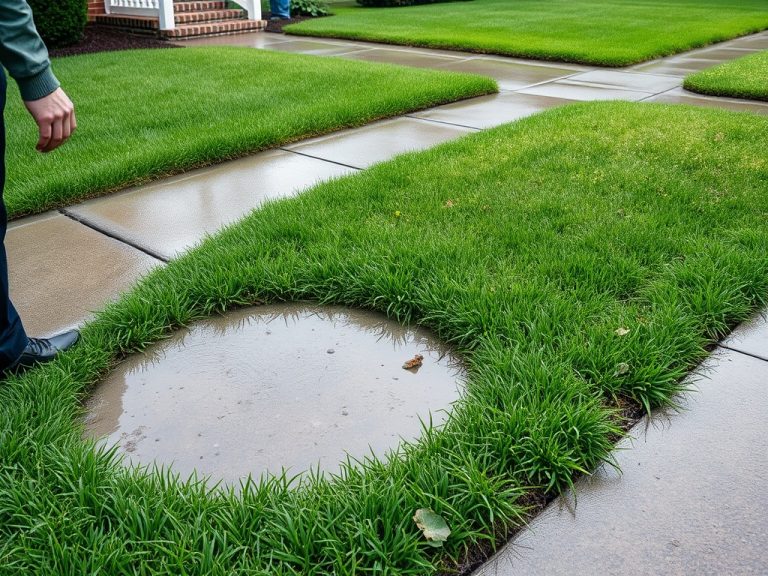
Problems begin when a zone mixes plants with very different water needs or when heads spray sidewalks, fences, walls, or narrow beds. Wind can distort spray, pressure problems can produce misting or uneven patterns, and fixed schedules may keep running after weather changes unless a controller or user adjusts them.
Watch the system rather than assuming it is working because the controller turns on. Look for broken heads, blocked patterns, dry arcs, pooling, and runoff. If water starts to collect before the soil can absorb it, shorter cycles with soak time between them may be more appropriate than one long run.
When Hand Watering Is the Better Fit
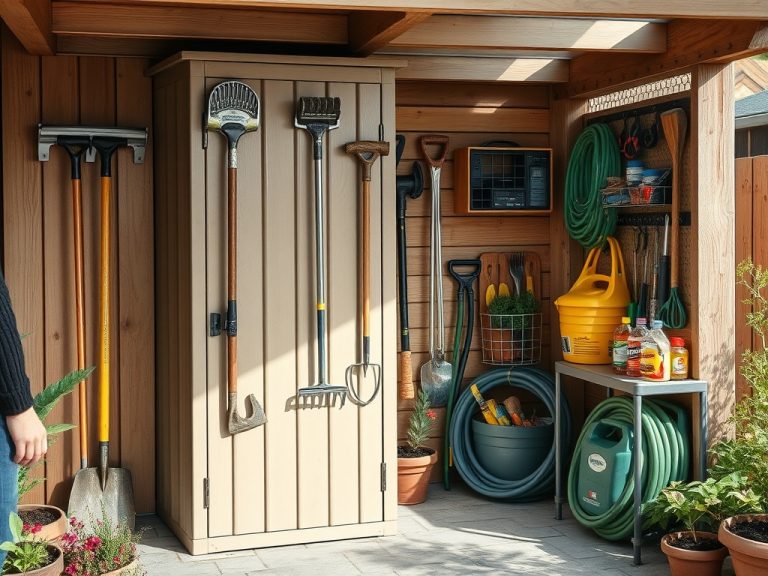
A hose with a shutoff nozzle or watering wand gives you direct control. It is well suited to porch pots, hanging baskets, seedlings, recently transplanted shrubs, small raised beds, and individual plants that need extra attention while surrounding plants do not.
Hand watering also lets you inspect plants while you work. You can notice a dry container, wilted transplant, clogged drainage hole, pest damage, or soil that is still wet from the previous watering. That observation can prevent automatic overwatering.
The weakness is consistency. It is easy to give one container a quick splash that wets only the surface while another receives enough water to drain through. It is also easy to forget part of a bed. A repeatable route and a slow application at the soil surface improve results.
Seedlings deserve especially careful watering. If you are planning transplants, starting seeds indoors for spring includes moisture and hardening considerations that continue to matter after seedlings move outside.
Do Not Ignore Drip and Microirrigation
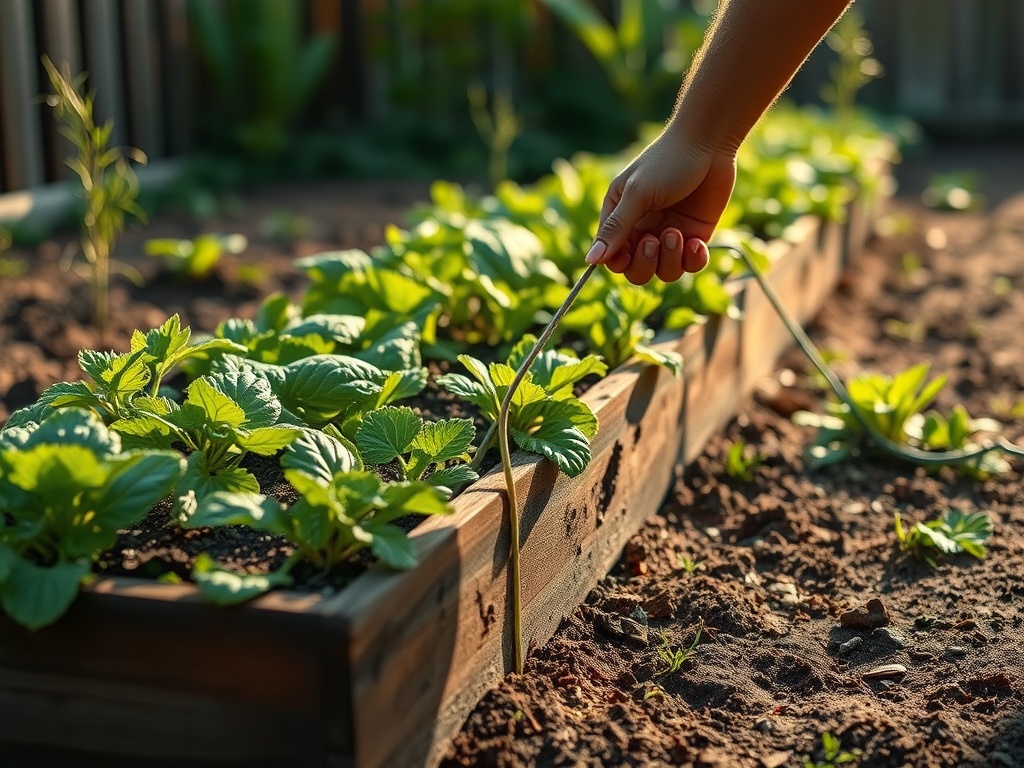
For garden beds, shrubs, and trees, the choice is not limited to sprinkler or hose. The EPA explains that microirrigation applies water slowly and directly near root zones, which can reduce runoff and evaporation compared with conventional spray in appropriate landscapes.
Drip systems still need maintenance. Emitters can clog, tubing can be damaged, and a hidden leak can go unnoticed. Different emitters and plant spacings also make design important. A system built for young plants may need adjustment as root zones expand.
Microirrigation is especially useful where foliage should stay drier or where rows and individual plants can be served directly. It is less suited to a lawn that needs uniform surface coverage.
Match the Method to Plant Type
Lawns
A well-designed sprinkler system is usually the practical choice for broad turf. Adjust runtime to soil infiltration, weather, slope, and local watering rules. Repair overspray and leaks promptly.
Vegetable and flower beds
Hand watering can work well in small beds, but drip or soaker-style systems can reduce labor in larger areas. Aim for soil, not repeated wetting of foliage and pathways.
Containers
Hand watering provides the most direct feedback because each pot can be checked individually. Container material, plant size, wind, sun, and potting mix all affect drying rate, so avoid a fixed assumption that every pot needs the same amount.
Trees and shrubs
New woody plants often need focused watering during establishment. Apply water over the root area rather than spraying the trunk. For mature plants, local extension guidance can help determine when supplemental irrigation is appropriate.
Indoor and potted plants
Overwatering can create pest-friendly conditions. If small flies are appearing around damp potting mix, the guide to controlling fungus gnats explains why moisture management is usually part of the solution.
Compare Cost and Maintenance Honestly
Hand watering has a low equipment barrier but costs time. Permanent sprinklers save labor but involve installation, seasonal adjustment, repairs, and periodic inspection. Drip systems fall somewhere between: they can be simple in a small bed but become more complex as zones and plant types increase.
Do not compare only purchase price. Consider whether you will realistically inspect the system, move hoses, adjust schedules, and respond to weather. The cheapest method can be expensive in plant loss or wasted water if it does not fit your routine.
Use a Simple Decision Framework
Choose a sprinkler when you need uniform coverage over a broad area and can control overspray and runoff. Choose hand watering when the planting is small, varied, containerized, or newly established and benefits from individual attention. Choose drip or microirrigation when direct root-zone delivery and reduced surface wetting are priorities.
Then watch what the soil and plants tell you. If water pools, reduce the application rate or split the cycle. If the root zone remains dry, apply more slowly or for longer. If one part of the landscape stays wet while another dries, separate the watering strategy rather than forcing one schedule on both.
Match the Watering Method to the Bed
The winner is the method that delivers water where plants need it, at a rate the soil can absorb, with a routine you can maintain. Most homes benefit from using more than one method rather than making one tool handle every planting type.
Walk your landscape by zone and label each area as lawn, bed, container, or new planting. That quick map will usually make the right watering method much clearer.
This article provides general educational guidance. Water needs, drought restrictions, irrigation rules, plant requirements, and suitable equipment vary by climate and jurisdiction; follow local water-utility, Cooperative Extension, and manufacturer guidance.[/