Choose outdoor storage by matching the enclosure to what you actually own, your climate, the available footprint, and the risks attached to the contents. A deck box may be enough for cushions and hand tools, while chemicals, fuels, power equipment, and long-handled tools often need separate, more secure storage.
TL;DR: Inventory first, separate hazardous from ordinary items, choose a dry level location, compare access and ventilation as carefully as capacity, use locks where children or pets are present, and follow product labels and fire-safety guidance for chemicals and flammable materials.
Inventory the Contents Before Shopping
Outdoor storage works best when it is designed around real objects rather than advertised capacity. List long-handled tools, hoses, hand tools, bags of soil amendments, watering equipment, power tools, batteries, cushions, planters, chemicals, and seasonal items. Measure bulky pieces and note what must remain upright, dry, locked, or easy to reach.
Then divide the list by risk. A trowel and pair of gloves can share a simple bin. Pesticides should remain in original labeled containers and may need locked, ventilated storage. Gasoline, propane, oil, and other flammables require much more careful placement than garden twine or empty pots.
If the storage area will sit beside a patio, consider how the enclosure affects circulation and planting. The guide to trees near patios and decks can help you avoid placing a cabinet or shed where it competes with root zones or future canopy growth.
Compare the Main Storage Types
| Storage type | Best for | Strengths | Limitations |
|---|---|---|---|
| Deck box | Cushions, small tools, watering accessories | Compact and easy to access | Limited vertical space; ventilation varies |
| Tall outdoor cabinet | Hand tools, bottles, small equipment | Uses vertical space and can be lockable | Needs a stable base and door clearance |
| Freestanding shed | Mowers, long tools, bulk supplies | High capacity and flexible organization | Requires more space, site preparation, and possibly permits |
| Wall rack or rail | Frequently used long-handled tools | Keeps floor clear and tools visible | Needs a suitable wall and weather protection |
| Lockable chemical cabinet | Labeled pesticides and similar products | Separates higher-risk materials | Must suit label storage requirements and local conditions |
Do not assume a larger shed automatically creates better organization. Deep, unplanned storage often turns into a pile that hides leaks, damaged cords, expired products, and sharp tools. Access matters as much as volume.
Choose a Location That Stays Usable After Rain
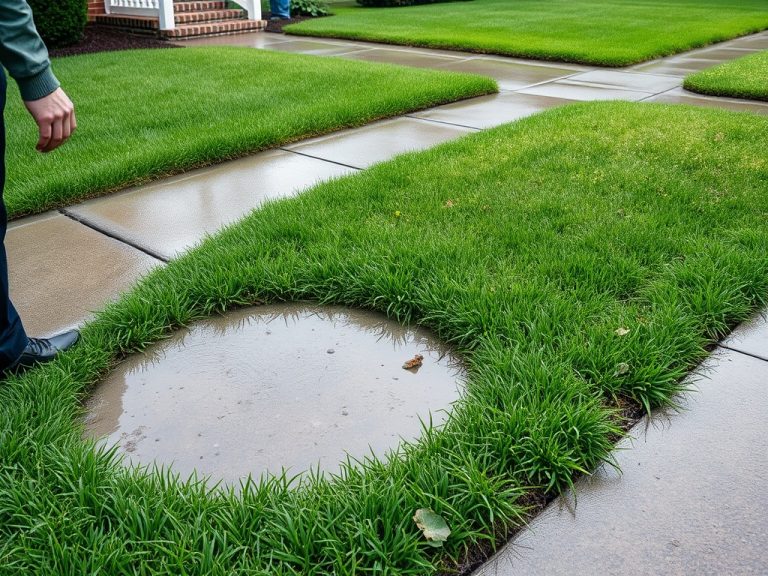
Place storage on a stable, level surface where doors and lids can open fully. Avoid low spots that collect runoff or splash muddy water onto the enclosure. If the site remains soggy, correct the moisture problem before installing a heavy shed or cabinet. The article on improving lawn drainage in soggy areas explains how to separate compaction, grading, and runoff problems.
Keep the route to storage practical. A shed that requires crossing a narrow flower bed every time you use the mower will encourage shortcuts and soil compaction. Frequently used hand tools should be near the garden, while seasonal items can occupy less convenient shelves.
Also consider wind, sun, and roof runoff. Lightweight units may need anchoring according to the manufacturer's instructions. Intense sun can raise temperatures inside an enclosure, and water from a roof edge can accelerate splash and moisture problems around the base.
Match Materials to Climate and Maintenance
Resin or plastic storage is often low-maintenance and resistant to rot, but it can heat up in sun and may flex if placed on an uneven base. Metal is durable but can conduct heat and may develop condensation or corrosion if ventilation and coatings are poor. Wood blends naturally into many landscapes and can be repaired, but it needs ongoing protection from moisture, insects, and decay.
There is no universally best material. Compare wall strength, roof design, ventilation, floor construction, hardware, warranty terms, and how the enclosure handles your weather. If a product is advertised as weather-resistant, check what that means in the manufacturer's documentation rather than interpreting it as waterproof under every condition.
Store Pesticides and Chemicals Separately
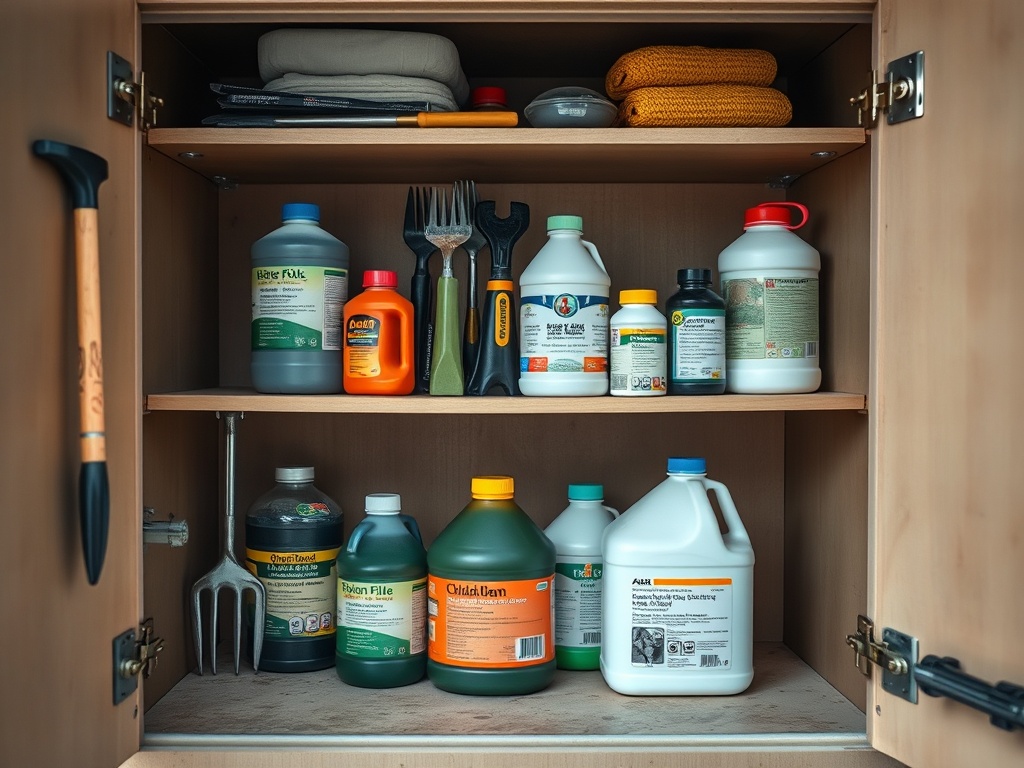
The U.S. EPA advises homeowners to store pesticides in their original containers, follow label storage instructions, keep them out of reach of children and pets, and use a locked, well-ventilated utility area or garden shed when appropriate. It also warns against storing pesticides near food, animal feed, or medical supplies.
That guidance is a strong reason not to toss every garden product into the same deck box. Liquids can leak, labels can deteriorate, and incompatible materials can end up beside gloves, toys, or pet supplies. Use secondary containment when the label or local safety guidance recommends it, and inspect containers periodically for damage.
Do not transfer chemicals into beverage bottles or unmarked jars. The original label carries directions, ingredients, first-aid information, and disposal instructions that may be critical later.
Treat Fuels and Heat Sources as a Separate Safety Question
Gasoline, propane, oily rags, batteries, and fuel-powered equipment should not be stored casually just because the shed has room. The U.S. Fire Administration's garage and basement safety guidance recommends keeping gasoline, propane, paints, oils, and varnishes in a shed away from the home and keeping combustible items away from heat-producing equipment.
Follow local fire codes and the equipment or fuel-container manufacturer's instructions. Battery charging can have its own temperature, ventilation, and outlet requirements, so do not assume a closed outdoor cabinet is an appropriate charging station.
If you are uncertain about storing a particular chemical, fuel, battery, or pressurized cylinder, use the product safety documentation and local fire authority rather than a general storage article.
Organize for Drying and Inspection
Wet shovels, pruners, hoses, and gloves should have a chance to dry before long-term storage. Trapping moisture can encourage rust, mildew, odors, or wood deterioration. Brush soil from tools, dry metal surfaces, and store sharp edges where hands will not meet them unexpectedly.
Use vertical racks for long tools and small clear bins for compatible low-risk items. Label shelves rather than individual temporary containers if visible labels would be exposed to weather. Keep heavy objects low, and avoid overhead storage of items that could fall when a door is opened or a ladder is moved.
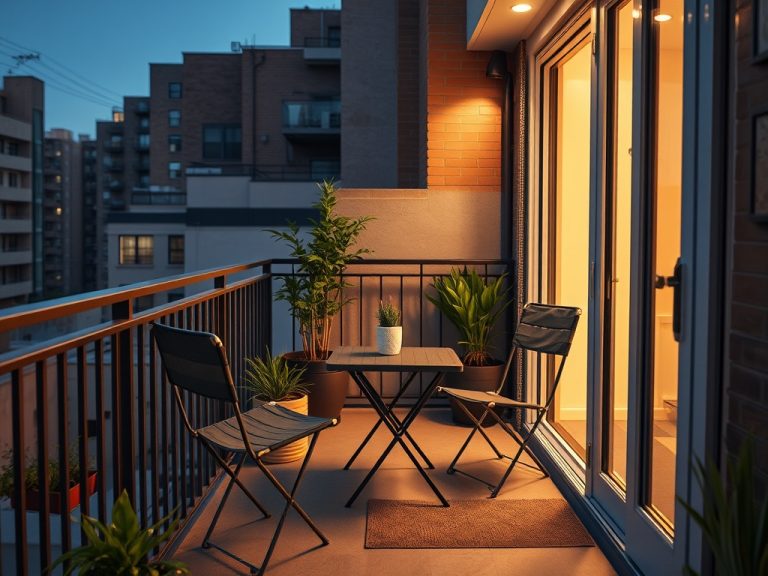
For a small balcony or compact patio, storage can double as a surface or seat only when the product is designed for that load and use. The ideas in small balcony entertaining can help keep storage from narrowing the main circulation path.
Make Storage Fit the Risk and the Routine
The best outdoor storage is not the biggest unit you can fit. It is the smallest practical system that protects equipment, separates hazardous materials, stays dry enough for the contents, and makes frequently used tools easy to put away correctly.
Begin by sorting everything into ordinary tools, weather-sensitive items, hazardous products, and fuel or battery equipment. Once those categories are clear, the right combination of box, cabinet, rack, or shed becomes much easier to choose.
This article is general educational information and does not replace product labels, fire codes, building rules, chemical-safety guidance, or professional advice. Storage requirements vary by product and jurisdiction; follow current manufacturer instructions and local authorities for hazardous or flammable materials.[/