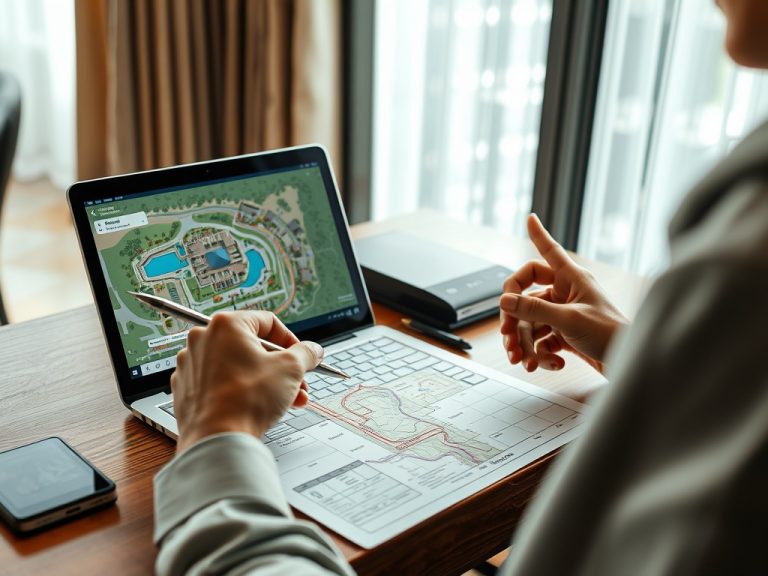
Researching a resort thermal circuit or hydrotherapy offering requires a clear distinction between facility facts and health claims. Start by verifying what the spa actually has, how the circuit is used, who may access it, booking and supervision rules, hygiene information, and contraindication guidance; then use reputable spa, wellness, and medical sources to interpret terminology without assuming a treatment will produce a specific health outcome.
TL;DR: Confirm the physical sequence of heat, water, cooling, and rest spaces from the resort; check access, duration, age, clothing, reservation, and safety rules; use recognized industry resources to understand hydrothermal terminology; and discuss medical suitability with a qualified clinician when a health condition could affect safe use.
Identify the facility before evaluating the experience
"Hydrotherapy" can describe many things: whirlpools, hydrotherapy pools, Vichy showers, water massage, mineral bathing, contrast bathing, or therapist-led treatments. A "thermal circuit" may include sauna, steam, warm pools, cold plunge, experience showers, ice features, hammam spaces, and relaxation areas in a prescribed or optional sequence.
Start with the resort spa's current facility list and map. Record which spaces are self-guided, which require a treatment booking, and which are included with hotel stay, spa admission, or a specific package. Ask whether the circuit is co-ed, clothing-optional where local norms allow, swimsuit-required, private, or separated by gender.
If the spa sits within a luxury property program, resources for researching luxury hotel programs can help you determine whether a property credit or preferred benefit actually applies to thermal access or only to eligible treatments.
Use industry resources to understand the terminology
The International Spa Association resource center provides research and educational material for the spa industry, and ISPA has published background material discussing hydrotherapy as part of the spa experience. The Global Wellness Institute Hydrothermal Initiative focuses specifically on thermal and wet areas and publishes resources about the design and use of hydrothermal facilities.
These organizations are useful for vocabulary and industry context. They are not substitutes for personal medical advice, and industry trend material should not be treated as proof that a particular circuit will deliver a particular health result.
| Term or feature | What to verify at the property | Research caution |
|---|---|---|
| Sauna or steam room | Temperature range, session guidance, supervision | Heat tolerance varies by person and condition |
| Cold plunge or cooling room | Temperature, entry method, staff guidance | Extreme cold is not suitable for everyone |
| Hydrotherapy pool | Water temperature, jets, depth, accessibility | "Hydrotherapy" does not imply a guaranteed medical benefit |
| Mineral or thermal water | Source, temperature, bathing rules | Mineral composition and claims should be verified separately |
| Guided circuit | Sequence, duration, rest periods, staff role | A branded ritual may be experiential rather than clinical |
| Relaxation area | Access, quiet rules, hydration, time limits | Availability may depend on treatment or admission type |
Distinguish a spa ritual from medical treatment
Resorts often describe thermal bathing in wellness language. That can be appropriate as long as relaxation, comfort, ritual, or guest experience is not presented as a guaranteed medical outcome.
If you have cardiovascular disease, blood-pressure concerns, pregnancy, a condition affected by heat or cold, recent surgery, or another health issue that could change safe participation, ask a qualified healthcare professional before using intense heat, cold immersion, or contrast protocols. The resort can explain its operating rules; it should not be assumed to know your personal medical risk.
The goal of research is therefore twofold: understand what the facility offers and understand whether you need individual clinical guidance before using it.
Check the sequence, duration, and level of guidance
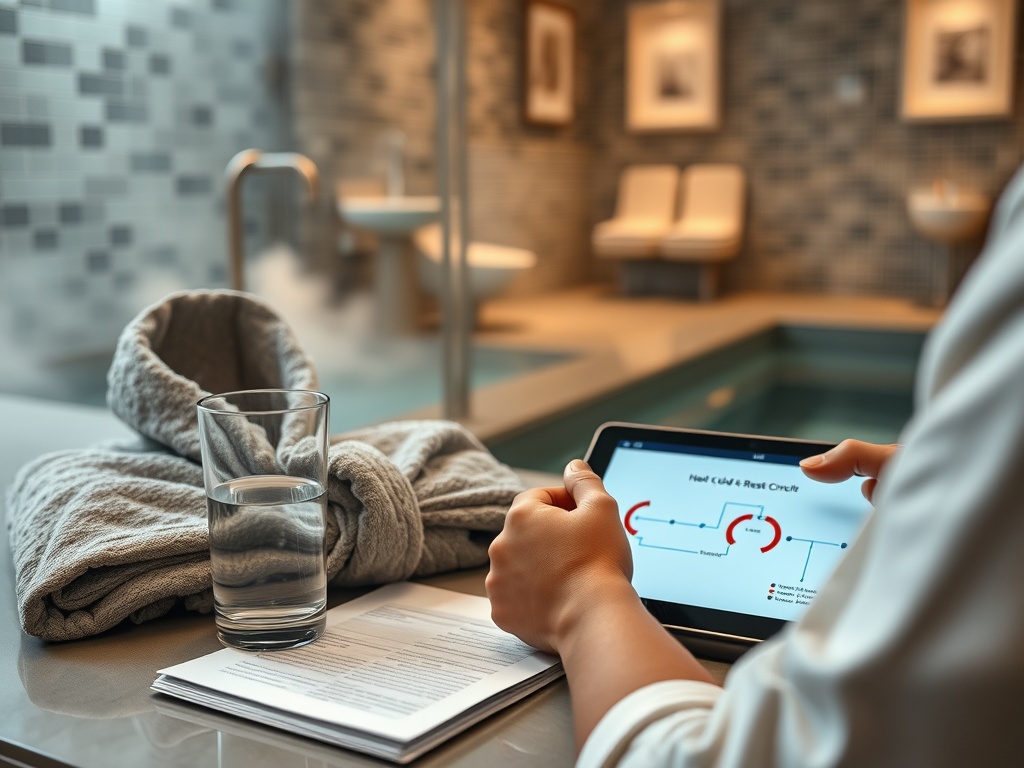
Some thermal areas are open-ended: guests move between sauna, steam, pools, showers, and rest spaces at their own pace. Others offer a guided ritual with defined timing, temperature changes, breathing, scrubs, or staff-led sessions.
Ask whether first-time users receive orientation, whether time limits apply, and whether hydration stations and rest areas are available. Confirm if reservations are required for the circuit itself or only for treatments.
The Global Wellness Institute's hydrothermal materials describe contemporary facilities as combinations of heat, cold, water, rest, and guided ritual. Use that framework to read a spa map critically: a long list of features does not tell you how they are meant to be used together.
Research hygiene and operating standards without making assumptions
Look for practical information about water quality management, cleaning schedules, occupancy limits, footwear, shower requirements, and towel or robe use. If the circuit includes public pools or hot tubs, local public-health rules may apply in addition to the resort's own procedures.
Ask the property how often facilities close for maintenance and whether any features are seasonal or temporarily unavailable. A review written during maintenance may describe a very different experience from normal operations, so verify current status directly.
For destination spas or hot-spring resorts, the Global Wellness Institute Hot Springs Initiative provides background on geothermal bathing traditions and resources. Property-specific water source, temperature, mineral composition, and treatment claims should still be verified from the operator or an appropriate scientific or regulatory source.
Compare access rules before comparing price
One resort may include thermal access with every treatment, another may sell a day pass, and a third may reserve the area for guests in specific room categories. Record:
- admission price and whether it is per visit or per day;
- minimum age and any family hours;
- treatment requirement, if any;
- time limit and reservation window;
- swimsuit, footwear, robe, and locker rules;
- mixed-gender or separated access arrangements;
- accessibility of pools, benches, showers, and changing areas;
- whether guests can leave and re-enter;
- cancellation terms for reserved sessions.
If you are comparing broader resort packages at the same time, resources for comparing resort inclusions can help you determine whether thermal access is truly included or merely listed as an on-property amenity.
Use reviews to understand flow and atmosphere, not health effects
Guest reviews can help you learn whether a thermal area feels crowded, quiet, confusing, well-guided, or difficult to book. These are individual experiences, not verified measurements. Look for recurring, recent operational patterns and then confirm important details with the spa.
Be especially cautious with reviews that attribute recovery, detoxification, immune effects, pain relief, or other medical outcomes to a single visit. Personal reports cannot establish that the same result will occur for another traveler.
If atmosphere matters, note whether the circuit is social or silent, indoor or outdoor, mixed with a fitness facility, or integrated into a treatment sequence. Those characteristics can change the experience without implying one model is objectively better.
Compare the circuit against the way you plan to use it
A large thermal area may be valuable if you plan to spend several hours there. It may be less relevant on a trip filled with excursions. A guided ritual may appeal to someone who wants structure, while another guest may prefer flexible access.
Calculate value using realistic use. Add the access fee, required treatment, transport to an off-site hot spring if relevant, and any package conditions. Do not assign value to a feature simply because the resort markets it as premium.
Finish with verified access and realistic expectations
Before booking, confirm the current facility list, access method, price, age rules, reservation requirements, dress norms, maintenance status, and any guidance that affects safe participation. Use spa-industry resources to understand terminology and design, but keep health claims separate from hospitality information. That makes it easier to choose a thermal circuit for its actual facilities, operating model, and fit with your trip rather than for vague wellness promises.