Researching glamping and eco-lodges means checking two different things at once: what the stay is physically like and whether its environmental claims are supported by credible evidence. The strongest research process combines the property's official details, maps and transport information, recognized sustainability standards, local destination guidance, and recent guest reports used as prompts for verification.
TL;DR: Verify the accommodation type, bathroom and climate-control setup, access route, seasonality, food and power arrangements, cancellation terms, and emergency communication first. Then evaluate sustainability claims using specific practices, recognized standards, or credible certification rather than broad "eco" language.
Clarify what the accommodation actually is
"Glamping" can describe anything from a furnished canvas tent with a shared bathhouse to a climate-controlled villa designed to resemble a tent. "Eco-lodge" is also broad and can refer to location, construction, operations, conservation work, community engagement, or a marketing theme.
Start with the physical product. Record whether the unit is permanent or tented, whether the bathroom is private, how power and hot water are supplied, whether heating or air conditioning exists, what insects or wildlife exposure is typical, and how luggage reaches the room. Confirm whether guests need a four-wheel-drive transfer, boat, hike, or staff escort.
If children are part of the trip, resources for researching kids programs can help you verify supervised activities separately from the lodge's broader family-friendly positioning.
Use maps to test remoteness claims and logistics
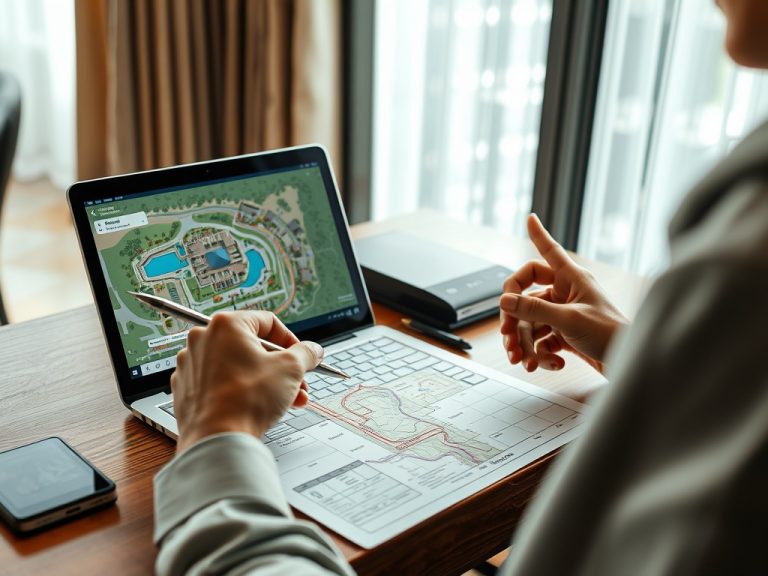
A property can be marketed as remote while still sitting near a highway, or appear close to an airport while requiring a long final transfer on mountain or unpaved roads. Use a mapping tool to trace the actual route and study terrain, nearby settlements, waterways, and road access.
Google Maps supports regular map, satellite, and Street View imagery where available; its Maps help on layers explains satellite and Street View availability. Imagery may be old, incomplete, or captured in a different season, so use it to form questions rather than to make current-condition guarantees.
Ask the property for the recommended arrival route, latest safe arrival time, transfer options, parking conditions, and what happens after heavy rain, snow, high water, or other seasonal events relevant to the destination.
Evaluate sustainability claims with recognized frameworks
Look for specific claims that can be checked: renewable-energy use, water management, waste systems, local sourcing, habitat protection, community employment, building materials, or third-party certification. General phrases such as "green," "eco-conscious," or "nature-positive" do not tell you how a property performs.
The Global Sustainable Tourism Council Hotel Standard organizes sustainable tourism around management, local social and economic benefits, cultural heritage, and environmental impacts. GSTC also explains the distinction between its standards and certification through accredited certification bodies. This framework can help travelers identify stronger evidence even when a specific property is not GSTC-certified.
| Claim to investigate | Stronger evidence | What not to assume |
|---|---|---|
| "Eco-friendly" | Named practices, targets, audits, or credible certification | That the label proves low impact |
| Local benefit | Published sourcing, employment, or community programs | That remote location automatically benefits residents |
| Low-waste operations | Specific refill, composting, recycling, or procurement systems | That avoiding single-use plastic covers all waste impacts |
| Conservation | Named project, partner, protected area, or measurable activity | That wildlife imagery equals conservation work |
| Low-energy design | Passive design, renewable systems, efficiency measures | That rustic appearance means low energy use |
Check destination and protected-area rules separately
Nature stays are often close to parks, reserves, coastlines, forests, or culturally sensitive areas where visitor rules may come from a public authority rather than the lodge. Confirm permits, trail restrictions, seasonal closures, fire rules, wildlife guidance, and transport limitations through the relevant official source.
For international travel, the U.S. Department of State's planning resources point travelers to destination advisories, entry requirements, local laws, and embassy information. Other national governments provide equivalent guidance for their citizens.
If the accommodation is off-grid or far from medical services, ask how emergency communication and evacuation are handled. The purpose is not to label remoteness as unsafe; it is to understand the practical implications of the setting.
Verify comfort details that photos can hide
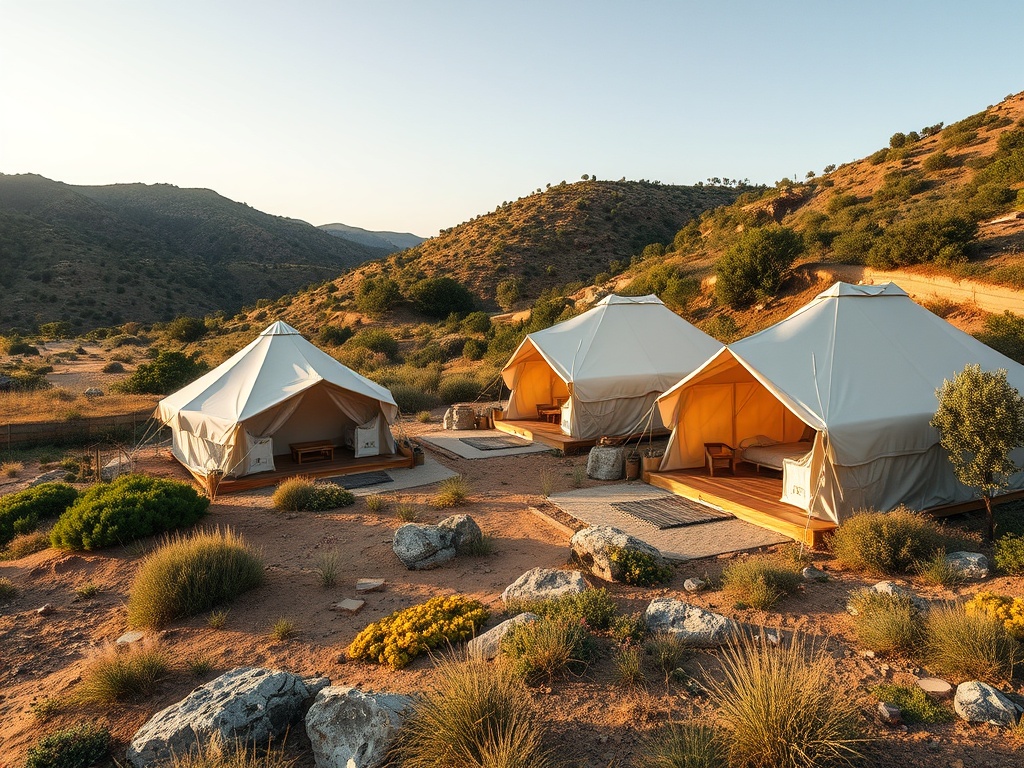
Editorial photography is good at showing atmosphere and weak at communicating sound, temperature, privacy, insects, walking distance, or bathroom logistics. Read the official room description line by line and create a comfort checklist.
Confirm bed type, blackout capability, fans or climate control, bathroom enclosure, hot-water reliability, indoor and outdoor seating, charging points, Wi-Fi or mobile connectivity, food schedule, quiet hours, and nighttime lighting. If a unit has canvas walls, ask whether sound carries between accommodations and how far apart units are.
Weather is especially important. A tent that is comfortable in dry mild conditions may feel very different during high humidity, cold nights, monsoon rain, or strong wind. Ask which months the property operates and what seasonal adaptations are built into the accommodation.
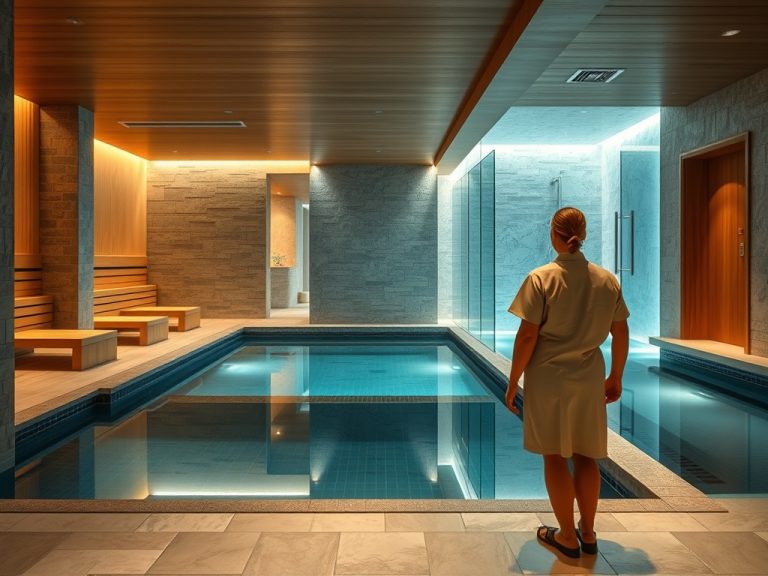
The related guide on resources for researching thermal circuits and hydrotherapy can also help when an eco-lodge markets hot springs, saunas, or bathing rituals as a central part of the stay.
Use reviews to identify operational questions
Recent guest reviews can help reveal recurring issues such as generator noise, long transfer times, difficult paths, wildlife entering rooms, limited hot water, weak Wi-Fi, or meal timing. These reports are subjective and may reflect unusual weather or individual expectations, so they should not be presented as verified property facts.
Look for repetition across dates and sources. Then ask the lodge a specific question. "Several recent guests mentioned a steep path from reception; is there an alternative transfer for someone with limited mobility?" is more useful than concluding that the property is inaccessible from reviews alone.
For accessibility, also check whether the property provides detailed information about steps, gradients, bathroom design, vehicle transfers, and routes between the room and shared facilities. Rural architecture and terrain can create constraints that generic "accessible" labels do not explain.
Compare the total experience, not the nightly rate
Remote lodging can include meals, guided activities, transfers, or park access in the rate, while another property may price those separately. Build a total-stay comparison with transportation, meals, mandatory fees, activities you plan to take, and any required gear or permits.
Cancellation terms deserve extra attention where weather affects access. Ask what happens if the property closes, a transfer cannot operate, or a public authority restricts access. Do not assume travel insurance covers every scenario; review the policy you are considering and the property's own terms.
Choose evidence over eco-aesthetics
A meaningful nature stay can be simple, luxurious, or somewhere between the two. The reliable way to research it is to separate what can be verified from what is a matter of taste. Confirm the accommodation setup and access, use recognized sustainability frameworks to test environmental claims, check official destination rules, and use reviews to generate questions. That approach helps you choose a glamping site or eco-lodge for what it actually offers rather than for a label or photograph alone.