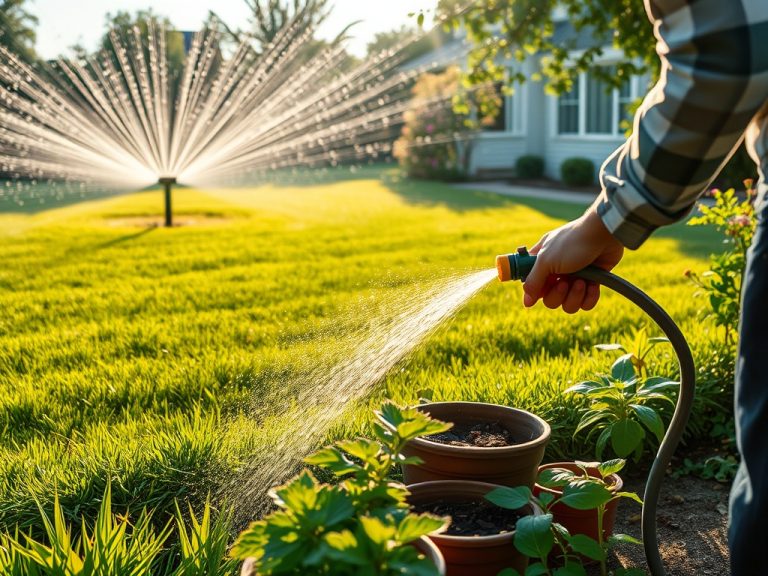
A wildlife-friendly yard does not have to become an open buffet for every deer, rabbit, squirrel, or raccoon. The practical approach is to create habitat intentionally while protecting high-value plants, food gardens, structures, and traffic areas with plant selection, barriers, sanitation, and local wildlife guidance.
TL;DR: Decide which wildlife you want to support, favor locally appropriate native plants, provide habitat in defined zones, protect vulnerable plantings with physical barriers, reduce easy food rewards near the house, and respond to damage early rather than waiting for animals to establish a routine.
Define the Wildlife You Actually Want to Support
"Wildlife-friendly" can mean very different things. A pollinator garden designed for native bees and butterflies is not the same as a yard intended to support songbirds, amphibians, or larger mammals. Start by choosing the ecological functions you value instead of trying to attract every animal that can reach the property.
University of Maryland Extension's wildlife landscape guidance separates attraction from damage management, which is a useful way to plan. You can support beneficial wildlife with plants, water, cover, and reduced pesticide pressure while still managing deer browsing, rabbit feeding, digging, or nesting where those behaviors cause conflict.
If you are renovating beds for habitat planting, soil condition still comes first. The guide to reviving tired garden soil between seasons can help prepare planting areas without relying on excessive fertilizer or unnecessary cultivation.
Use Native Plants as the Habitat Framework
Locally appropriate native plants can provide food and shelter for insects, birds, and other animals adapted to the region. Use a mix of plant forms and seasons rather than one large block of a single species. Trees, shrubs, grasses, flowering perennials, and groundcovers create different layers of cover and feeding opportunities.
The exact plant list should be regional. A species native to one part of the country may be poorly suited or even problematic elsewhere. Local extension services, state native-plant programs, and conservation organizations can help narrow choices to plants that fit your soil, light, moisture, and wildlife goals.
Avoid treating "native" as a guarantee of low maintenance or no damage. Native plants still have site requirements, and some are highly attractive to deer or rabbits. Match the plant to the site and decide which plants you are willing to protect.
Separate Habitat Zones From High-Value Areas
One of the easiest ways to reduce conflict is to stop asking every square foot of the yard to do the same job. A back border can provide dense native cover, while a vegetable garden can be protected by fencing. A pollinator bed can sit away from the main play area, and fruiting shrubs can be placed where dropped fruit will not create a mess on the patio.
This zoning approach is especially helpful near seating and structures. Keep vegetation from blocking walkways, vents, utility equipment, or sightlines. Avoid placing dense cover directly against doors or frequently used entries if it creates a place for animals to shelter where people and pets pass constantly.
Water management also affects habitat. A rain garden can support wildlife and manage runoff, but chronically soggy turf may signal a drainage problem rather than a habitat feature. Use the guide on improving lawn drainage in soggy areas to distinguish intentional wet planting zones from lawn areas that are simply failing to drain.
Protect Vulnerable Plants With Physical Barriers
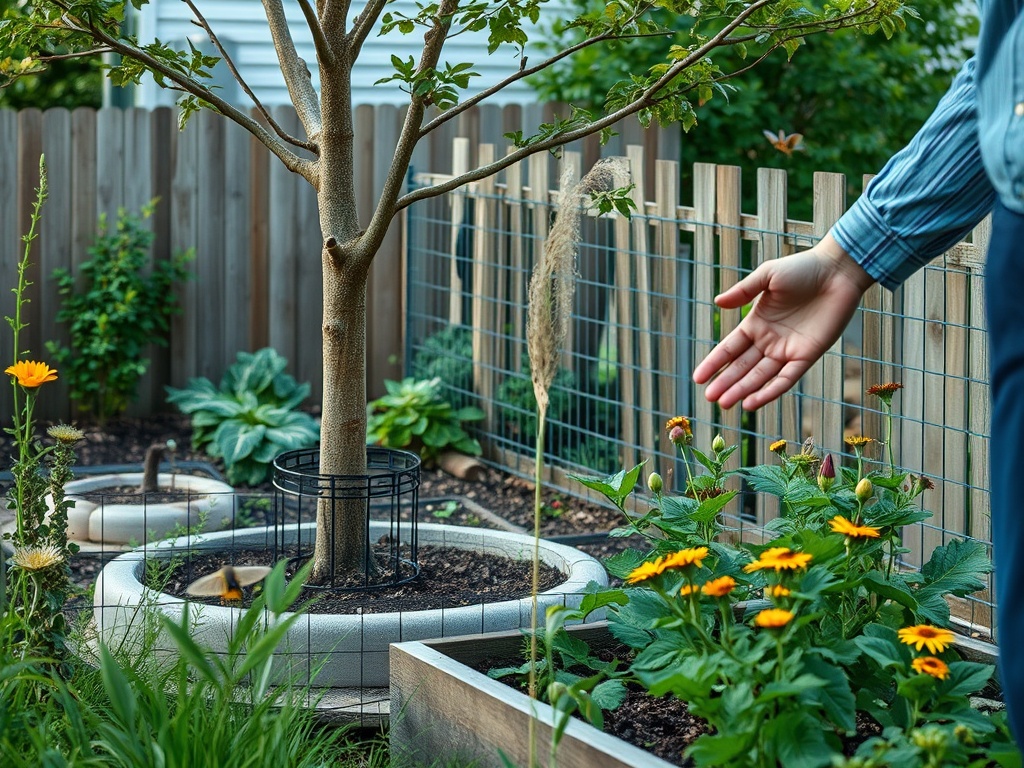
Physical exclusion is often more dependable than trying to make every plant unappealing. Row covers, fencing, trunk guards, wire cages, and other barriers can protect vegetable beds, seedlings, and young woody plants when installed correctly.
Deer-resistant plant lists can reduce browsing pressure, but they are not absolute. The University of Maryland Extension's current deer-resistant native plant guidance explicitly notes that no plant is deer-proof and that preferences change with food availability and local conditions.
For young trees, guards can reduce rubbing or browsing damage, but they need inspection so they do not trap moisture, constrict trunks, or become forgotten as the tree grows. Choose a barrier for the animal and plant involved rather than wrapping everything with the same material.
Remove Easy Rewards Near the House
Wildlife learns from reliable food sources. Secure trash, collect fallen fruit where it creates problems, avoid leaving pet food outdoors, and manage compost so it does not become an unintended feeding station. Bird feeding can be enjoyable, but spilled seed may attract rodents or other animals; use feeder practices appropriate to local disease and wildlife guidance.
If you provide water, keep it clean and place it where you can maintain it. Shallow water features can support birds and insects, but stagnant containers can create mosquito problems. In mosquito-prone areas, follow local public-health recommendations for water management.
Do not intentionally feed deer, raccoons, coyotes, or other larger wildlife unless local authorities specifically permit and recommend it. Feeding can alter behavior, increase crowding, and create conflict with neighbors, pets, traffic, or disease-management efforts.
Respond to Damage Before It Becomes a Pattern
Fresh browsing, digging, gnawing, tracks, droppings, and disturbed mulch can help identify the animal involved. Damage height and the shape of clipped stems can also provide clues. Photograph signs before cleaning them up and use a local extension or wildlife agency if identification is uncertain.
Begin deterrence early. University of Maryland Extension's deer-damage guidance notes that control is more likely to work before animals establish a regular browsing habit and that combining approaches can be necessary.
Repellents can be useful for some situations, but weather, plant growth, animal pressure, and label directions affect performance. Rotate or combine strategies when professional guidance recommends it, and never apply a pesticide or repellent to edible crops unless the product label specifically allows that use.
Reduce Chemical Pressure Without Ignoring Real Problems
A wildlife-friendly yard generally benefits from integrated pest management: identify the problem, tolerate minor cosmetic damage where acceptable, use cultural and physical controls first, and choose targeted products only when needed.
That does not mean every insect should be preserved on every plant. Invasive pests, disease vectors, and severe infestations may require control. The goal is to avoid broad, unnecessary treatments that remove beneficial insects along with the target pest.
If you start native or vegetable plants indoors for habitat beds, keep indoor pest management separate from outdoor wildlife goals. The article on starting seeds indoors for spring can help you produce transplants without overwatering or rushing them into the yard.
Design for Wildlife With Boundaries
A balanced yard provides food, cover, nesting resources, and water where they make sense while protecting the places where people grow food, walk, play, store equipment, and maintain structures. Native planting and habitat design can support wildlife; barriers, sanitation, and early damage management keep that support from becoming uncontrolled conflict.
Pick one habitat goal for the coming season, such as supporting pollinators or songbirds, and build a defined planting zone around it. Then identify the plants or spaces that need protection before wildlife discovers them.
This information is educational and general. Wildlife laws, feeding restrictions, pesticide rules, protected species, and recommended control methods vary by jurisdiction. Contact local wildlife agencies, Cooperative Extension, or qualified professionals for persistent damage, trapped animals, or safety concerns.[/