Staying on track does not require losing weight every week of a holiday or trip. A better goal is to protect a few high-value habits, enjoy deliberate exceptions, and return to your usual routine without turning one unusual meal into several unplanned days.
TL;DR: Decide in advance whether the period is for continued loss or maintenance. Keep protein, produce, movement, sleep, and basic meal structure as anchors. Choose the foods and events that matter, skip compensation, and judge progress after normal routines and hydration have resumed.
Replace perfection with a clear objective
An advanced fat-loss plan should distinguish between a temporary change in environment and a failure of the strategy. Holidays and travel alter food availability, schedules, sleep, social expectations, and measurement conditions. Expecting an identical routine can create unnecessary friction.
Choose one of three objectives:
- Continue a modest deficit when the trip is predictable and the goal has a firm timeline.
- Maintain weight when events are frequent, training access is limited, or mental bandwidth is low.
- Pause deliberate tracking while keeping health anchors and a planned return date.
Maintenance can be a strategic success. It provides a break from restriction without abandoning the skills that support long-term weight management. The CDC's weight-loss guidance emphasizes realistic goals, monitoring, support, and returning after setbacks rather than expecting an uninterrupted straight line.
Define the anchors that travel with you
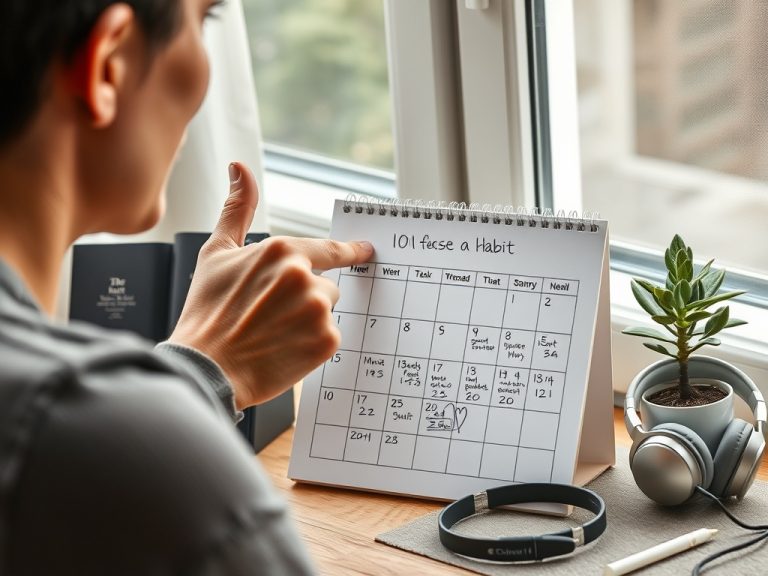
Anchors are behaviors that remain recognizable even when their exact form changes. Pick three to five rather than trying to preserve every detail.
Include protein in main meals
Protein can support satiety and muscle retention, especially when resistance training continues. At a restaurant, this may mean choosing eggs, yogurt, fish, poultry, lean meat, tofu, beans, or lentils as the meal's center. The portion does not need to be measured perfectly to be intentional.
Add produce where it is available
Fruit at breakfast, a vegetable side, soup, or a salad can add volume and micronutrients. This is not a rule that must precede dessert. It is a way to keep the meal connected to the usual eating pattern.
Keep daily movement visible
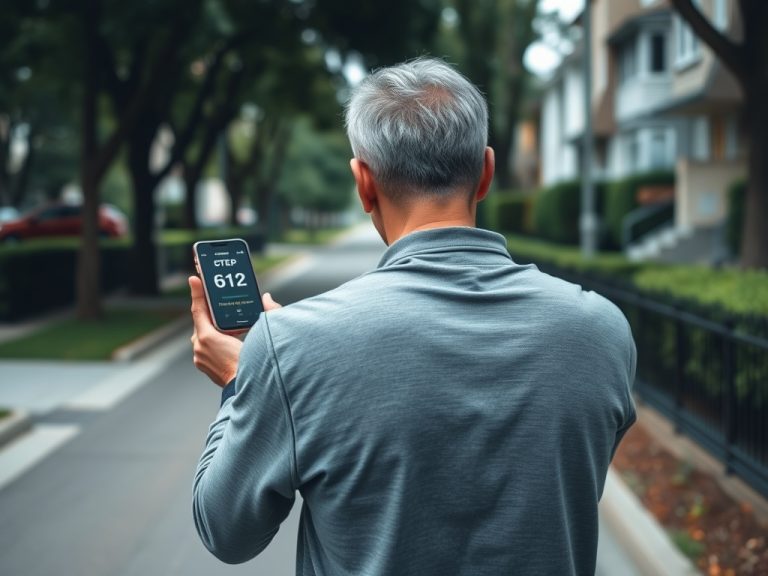
Walking through a city, airport, museum, or park can maintain activity even when structured training is unavailable. The guide to fitness through daily walking explains why steps are useful without making 10,000 a pass-fail standard.
Protect a sleep window
Travel and late celebrations may reduce sleep. Keep a consistent wake time when practical, seek morning light, and avoid scheduling every day from early morning to late night. Poor sleep can make hunger, mood, and training harder to manage.
Use a decision rule before entering the food environment
Decisions are easier before you are hungry and surrounded by options. A useful rule is: choose what is special, keep the ordinary food ordinary, and eat seated when possible.
At a holiday dinner, a family recipe may be worth including while packaged snacks available year-round are easy to skip. At a hotel breakfast, a familiar protein-and-fruit meal may preserve flexibility for a destination meal later. This is prioritization, not moral judgment about food.
The NIDDK Body Weight Planner shows that energy balance and body-weight change unfold over time. One meal can influence intake, but it does not instantly determine long-term fat change. Repeated patterns matter more than a single occasion.
Compare a loss-focused plan with a maintenance-focused plan
| Situation | Loss-focused choice | Maintenance-focused choice |
|---|---|---|
| Restaurant meal | Protein-centered entree, vegetable side, one deliberate extra | Enjoy the preferred meal, stop at comfortable fullness, resume normal structure next meal |
| Training access | Short full-body sessions plus walking | Walking and one or two brief movement sessions |
| Tracking | Use estimates and weekly trends | Track only anchors or pause logging with a return date |
| Celebration | Choose favorite foods and moderate portions | Allow broader choice without turning it into an all-day eating event |
Neither column is automatically superior. Select the one that matches the duration, importance of the event, and your relationship with tracking.
Plan for airports, road trips, and hotels
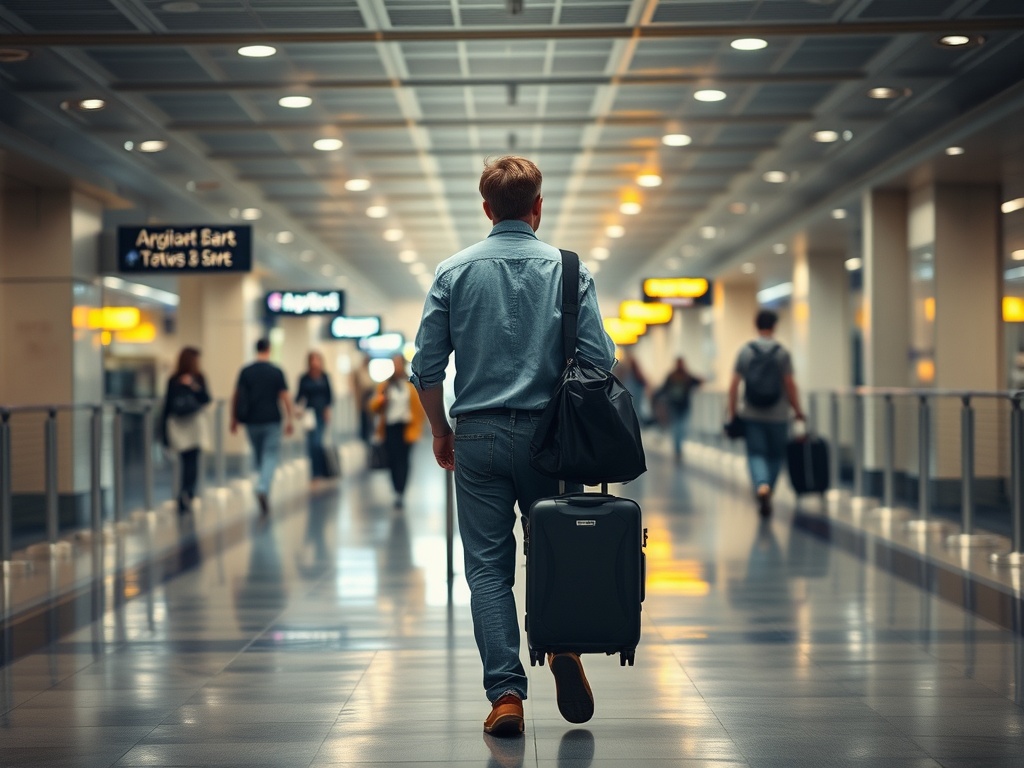
Airports and road travel can create long gaps followed by impulsive eating. Carry a suitable snack when permitted, such as fruit, nuts, a simple sandwich, roasted legumes, or a protein option that can be stored safely. Buy water after security and eat a normal meal rather than assembling several snack foods if that is more satisfying.
During road trips, use rest stops for a short walk and mobility break. The CDC offers travel-friendly activity ideas, including walking to airport gates, moving at rest stops, and using portable workouts.
In hotels, decide whether a room routine, gym visit, or outdoor walk is genuinely practical. A ten-minute session can preserve continuity, but it should not become punishment for restaurant food.
Handle alcohol and liquid calories deliberately
Alcohol adds energy, can reduce inhibition around food, and may disrupt sleep. Decide the number and type of drinks before the event, alternate with water, and avoid driving. People who do not drink do not need to start for health reasons.
Avoid the compensation cycle
Skipping meals before an event may arrive as extreme hunger. Adding punishing cardio afterward can increase fatigue and reinforce an unhealthy earn-and-burn relationship with food. Instead, eat a normal protein-containing meal earlier, attend the event hungry enough to enjoy it but not desperate, and resume the usual plan at the next meal.
Do not label the trip a "cheat period." That language often encourages eating past enjoyment because the opportunity feels temporary. Food can be pleasurable and still be chosen with awareness.
The article on non-food reward systems offers alternatives for celebrating adherence without turning either food or exercise into a moral reward.
Interpret scale changes correctly
Travel weigh-ins are noisy. More sodium, carbohydrate, alcohol, restaurant food, later meals, constipation, a different scale, and reduced sleep can all change body water and digestive contents. A rapid increase does not equal the same amount of fat gain.
If weighing supports rather than harms your process, return to normal hydration and meals for several days, then review an average under familiar conditions. Avoid severe restriction based on the first reading after a flight or celebration.
Keep training minimums realistic
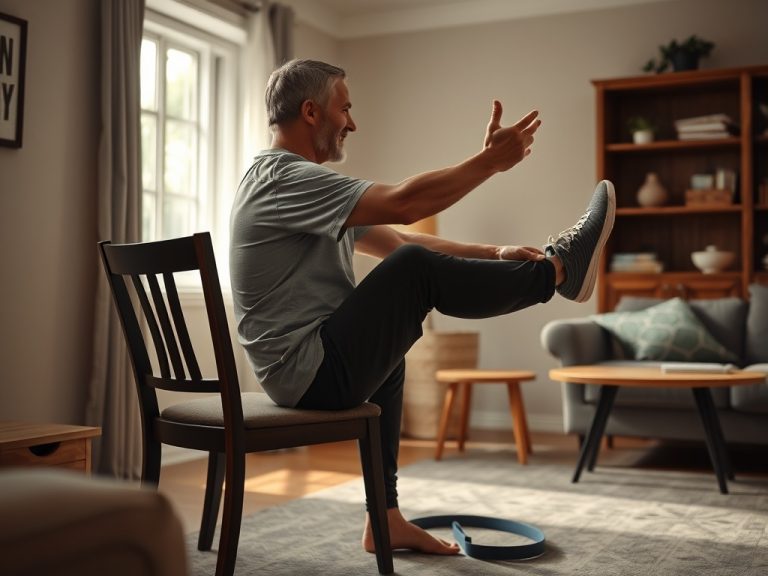
For a short trip, maintaining movement may be enough. For a longer trip, two full-body sessions can help preserve strength. Use basic patterns such as squats to a chair, split-stance movements, push-ups against a wall or bench, band rows, hip hinges, calf raises, and carries when safe.
Meal preparation may be limited, but the framework in planning meals around strength and cardio can be simplified to protein, carbohydrate, produce, and fluids around the hardest sessions.
Create a specific re-entry plan
Before leaving, schedule the first grocery trip, ordinary breakfast, walk, and training session after the event. Keep the first workout slightly easier if sleep or travel fatigue is poor. Do not wait for Monday, a new month, or a "detox." Your regular routine is the reset.
Review what worked without shame. Which anchor survived? Which environment created repeated decisions? What would you pack or schedule differently next time? This turns travel into useful information rather than a test of character.
Protect the trend, not every day
Write your objective and three anchors before the next holiday or trip. Choose the meals that deserve flexibility and pre-plan the return. A sustainable fat-loss strategy has room for meaningful events because it is designed for a life that includes them.