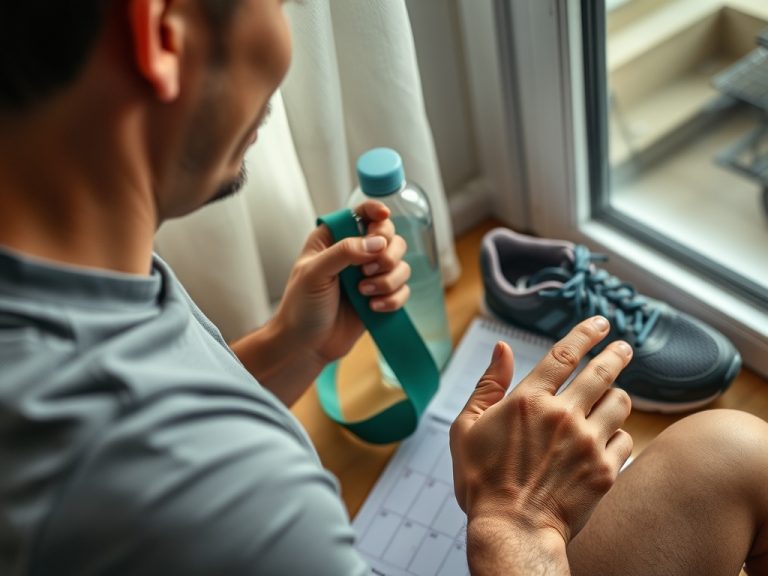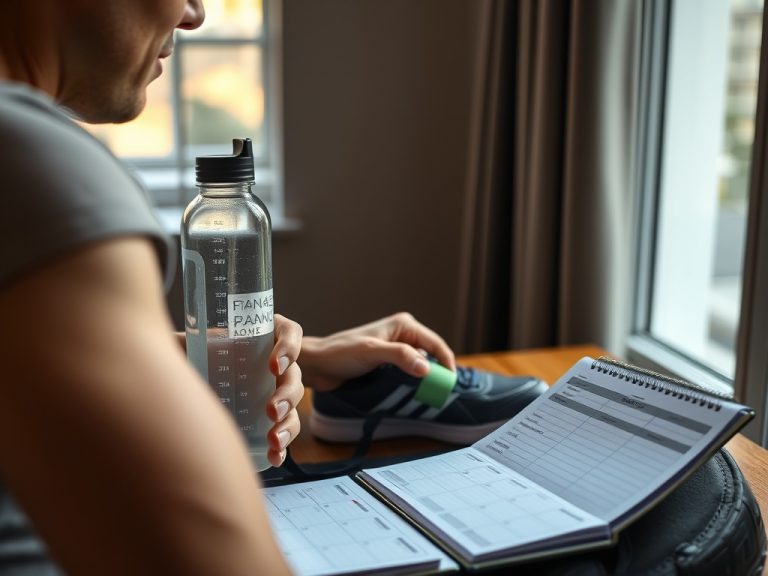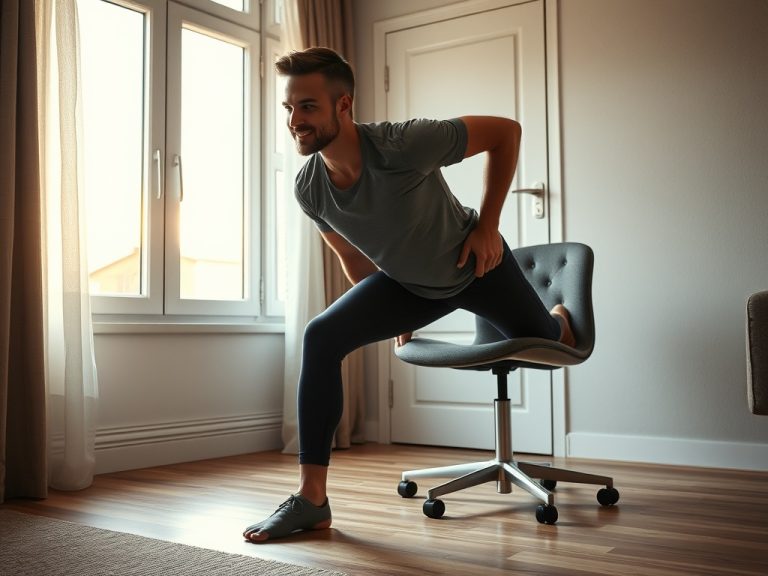
Walking 10,000 steps a day can meaningfully improve activity levels and aerobic health, especially if you are currently inactive. It is not a complete fitness program by itself, and 10,000 is a convenient target rather than a universal biological threshold.
TL;DR: Use steps to reduce sedentary time and build an aerobic base. Your useful target may be below or above 10,000. Add some brisk walking, two weekly strength sessions, and balance or mobility work when relevant to create a more complete plan.
What "getting fit" actually includes
Fitness is not one quality. It can include cardiorespiratory endurance, muscular strength, muscular endurance, balance, mobility, power, and the ability to perform daily tasks. Walking trains some of these more than others.
Regular walking can improve your capacity to move for longer, increase daily energy expenditure, and make stairs or errands feel easier. Brisk walking can count as moderate-intensity aerobic activity. However, a comfortable step total may not challenge the heart and lungs enough for continued aerobic improvement, and ordinary walking usually provides limited stimulus for upper-body strength.
The CDC explains adult activity targets as a combination of weekly aerobic activity and muscle strengthening on at least two days. This makes steps a valuable component, not a substitute for every component.
Why 10,000 became popular, and why it is not magic
Ten thousand is easy to remember and simple for devices to display. Research supports a broad association between higher daily step counts and better health outcomes, but benefits do not begin only after the five-digit mark.
A large prospective study published in JAMA Internal Medicine found that greater daily step counts were associated with lower risks of several adverse health outcomes, with benefits appearing across a range rather than at one pass-fail number. Observational research can show association, not prove that steps alone caused every difference, but it supports the idea that moving more than your current baseline matters.
Age, stride length, occupation, disability, health status, and starting activity all change what a step number means. A warehouse worker and a remote office worker may reach the same count with very different effort. A shorter person may take more steps over the same distance than a taller person. Someone recovering from illness may make substantial progress well below 10,000.
Steps, pace, and complete fitness serve different jobs
| Measure or activity | What it can show or develop | What it may miss |
|---|---|---|
| Daily step count | Total ambulatory movement and reduced sitting | Effort level, strength, cycling, swimming, or load carried |
| Brisk walking time | Moderate aerobic work when the pace raises breathing | Upper-body strength and high-force capacity |
| Resistance training | Strength, muscle endurance, and load tolerance | Daily movement volume and aerobic work |
| Balance and mobility practice | Control, range, and confidence in specific movements | Aerobic capacity unless movements are continuous and demanding |
You do not need to optimize every quality at once. Beginners often do well by establishing a walking habit first, then adding one or two missing elements.
Find a useful starting target
Wear a tracker or carry your phone for a typical week without changing your behavior. Average several ordinary days, including a weekend day if your schedule differs. This creates a baseline that belongs to you.
Then add a manageable amount. That might be a short walk after lunch, parking farther away, walking during a call, or taking a ten-minute loop after dinner. The CDC's getting-started guidance recommends starting slowly, choosing enjoyable times and places, and building activity into the schedule.
Avoid jumping from a low baseline directly to 10,000 because the number looks standard. Rapid increases can irritate feet, shins, knees, hips, or tendons, particularly when footwear, terrain, or recovery also changes. Add steps gradually and hold the new level long enough to judge comfort.
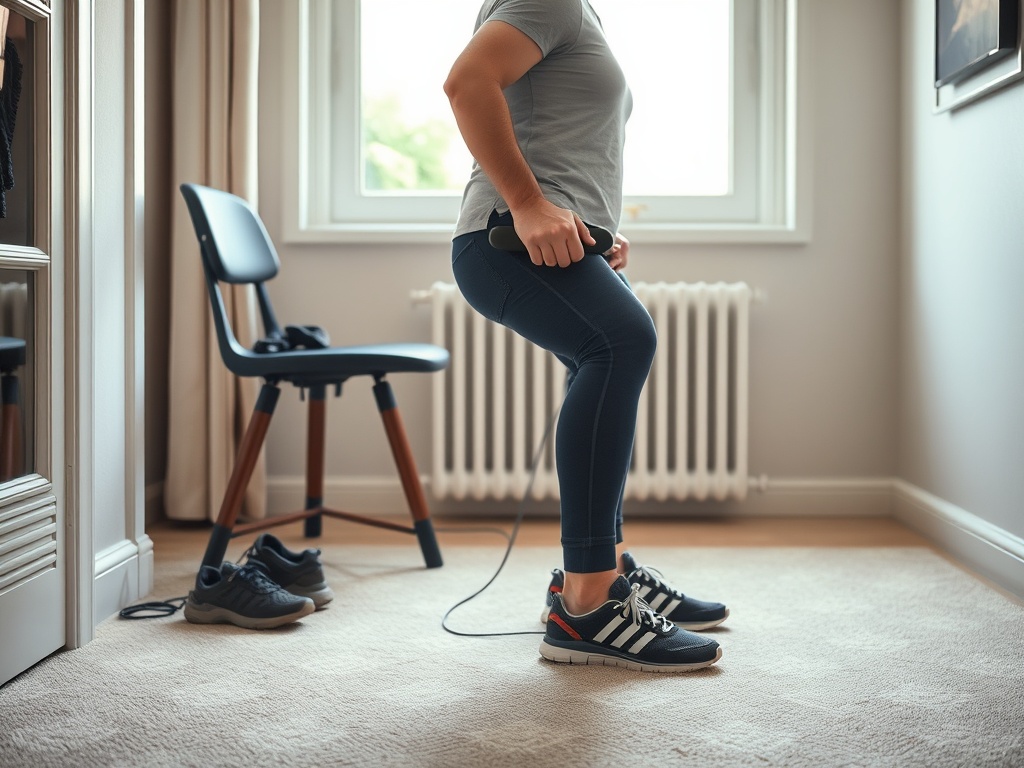
Make some of the walking purposeful
If health allows, include segments that feel moderately challenging. A practical talk test is that you can speak in sentences but would struggle to sing. Hills, faster intervals, or a slightly longer continuous walk can increase the aerobic demand without requiring running.
Try one of these beginner options:
- Add five one-minute brisk segments to an easy walk, with comfortable walking between them.
- Choose a route with a gentle hill once or twice per week.
- Take one continuous 20- to 30-minute walk while keeping the rest of the day's steps easy.
- Carry groceries or climb stairs as daily tasks, without turning every walk into loaded exercise.
Warm up by beginning at an easy pace. If mornings feel especially stiff, the article on warming up for morning workouts provides a gradual sequence that can be adapted before a brisk walk.
Add the pieces walking does not fully cover
Two short strength sessions can cover major movement patterns: sitting and standing, hinging, pushing, pulling, carrying, and calf work. Body-weight movements, resistance bands, machines, or free weights can all work when appropriately scaled. A beginner does not need a complicated gym plan.
Balance work matters more for some people, including older adults or anyone whose condition affects stability. Practice near a stable support and use professional guidance when fall risk is significant. Mobility work should target movements you need rather than chasing extreme flexibility.
If privacy or convenience makes home exercise preferable, simple exercises can fill these gaps. Camera-based coaching may look appealing, but read the guide to using camera-based form feedback critically before treating an app's score as expert supervision.
Common mistakes with step goals
Treating the target as all or nothing
A day with 7,500 steps is not a failure because the screen did not show 10,000. Weekly patterns and the change from your baseline are more useful than a daily streak maintained at any cost.
Ignoring intensity
Ten thousand very easy steps can be valuable daily movement, but they may stop challenging aerobic fitness. Include some purposeful pace if appropriate.
Using walking to compensate for eating
Exercise calories displayed by devices are estimates. Avoid earning or punishing food through steps. For body-composition goals, use a broader eating plan and review fat-loss strategies for holidays and travel when routines change.
Increasing distance through pain
Normal effort and mild temporary muscle fatigue differ from sharp, worsening, or persistent pain. Reduce the load and seek assessment when symptoms change your gait, disturb sleep, or do not improve.
Forgetting non-step activities
Cycling, swimming, rowing, wheelchair propulsion, and strength training may produce few steps while still providing meaningful exercise. The step count is one input, not a grade for the entire day.
How to measure progress beyond the number
Track whether a familiar route feels easier, whether your pace improves at a similar effort, and whether you recover comfortably by the next day. Daily function also matters: carrying bags, walking through an airport, or climbing stairs with less breathlessness can show useful change.
After several weeks, decide what the next goal requires. If you want general health, maintain the habit and add strength. If you want faster race times, you need more specific training. If you want fat loss, walking can support energy expenditure but nutrition, sleep, and stress management remain part of the plan.
Turn the number into a flexible plan
Set a step range based on your baseline rather than a rigid universal target. Include two or three brisk segments each week and add strength on two days. Reassess after a month. Ten thousand can be motivating, but the better goal is a mix of activity you can sustain and safely progress.