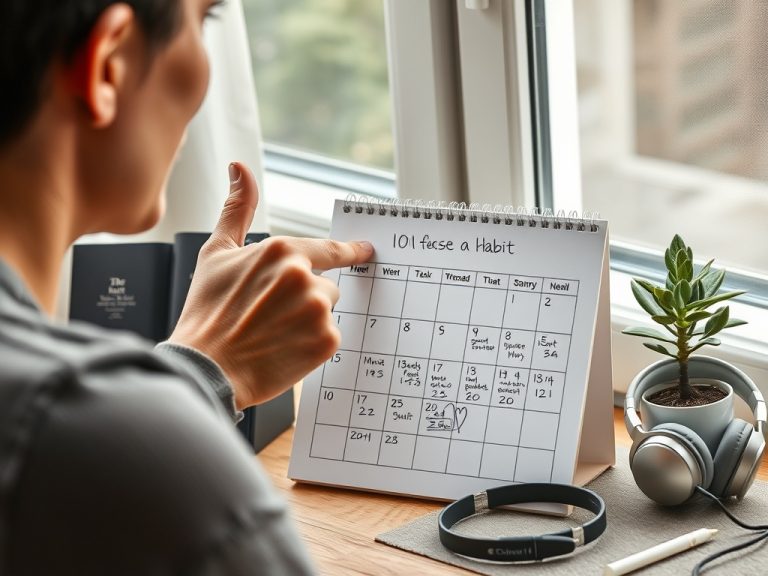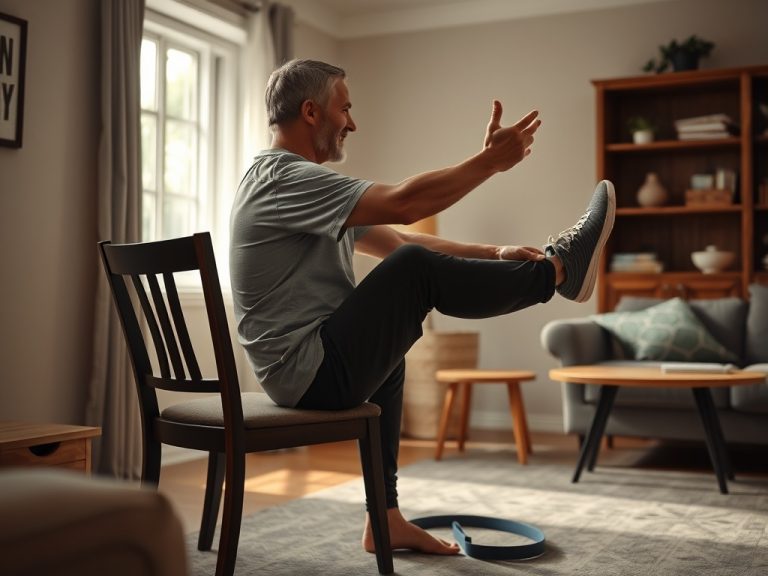
The most useful recovery habits are the ones that protect sleep opportunity, adequate food, manageable training load, and brief moments of downshift within a crowded week. Women do not need a universally different recovery system, but reproductive life stages, energy availability, caregiving, work patterns, and health conditions can change what recovery requires.
TL;DR: Put sleep and sufficient nutrition ahead of recovery gadgets, plan hard sessions around real capacity, use short low-effort recovery options, and watch for persistent changes in performance, mood, pain, or menstrual function. Recovery should reduce strain, not become another standard to fail.
Recovery is the space in which training becomes useful
Exercise creates a demand. Adaptation depends on what happens between sessions: sleep, food, rest, stress exposure, and time. A plan that looks reasonable on paper may be too demanding when combined with night shifts, young children, elder care, commuting, or a high-stress job.
Recovery is not simply soreness reduction. It includes restoring readiness, maintaining normal function, and arriving at the next important session able to perform useful work. A person can feel little soreness while still accumulating fatigue through poor sleep or under-fueling.
The principle applies across sexes, but the context is individual. Pregnancy and postpartum recovery, perimenopause, menopause, heavy menstrual bleeding, pelvic-floor symptoms, and iron deficiency can affect training decisions. These topics require appropriate clinical care rather than broad assumptions about all women.
Habit 1: Protect sleep opportunity before optimizing sleep accessories
Adults generally need substantial, regular sleep, although exact needs vary. The CDC's sleep guidance lists seven or more hours for adults ages 18 to 60 and emphasizes both duration and quality.
Begin with opportunity: a realistic time in bed, a repeatable wake time, and a quieter final part of the evening. If caregiving interrupts sleep, a perfect schedule may not be possible. Focus on controllable elements such as sharing overnight duties when available, using daylight early in the day, reducing late caffeine, and keeping the sleep environment dark and cool.
Wearable sleep scores can be interesting, but they are estimates. Judge the pattern alongside daytime sleepiness, mood, performance, and whether sleep problems persist. Snoring, gasping, severe insomnia, restless legs, or ongoing exhaustion deserve medical assessment.
Habit 2: Eat enough to support the workload
Recovery requires energy as well as protein, carbohydrate, fats, vitamins, minerals, and fluids. Under-fueling may be intentional during fat loss or unintentional when work and family push meals aside. Either can reduce training quality and recovery.
Build meals from repeatable components and keep portable options available. The guide to planning meals around strength and cardio explains how total daily intake, protein distribution, and carbohydrate availability fit different sessions.
The IOC consensus statement on Relative Energy Deficiency in Sport describes health and performance problems that can occur when energy intake is insufficient relative to exercise demands. REDs can affect athletes of any sex. In women, persistent menstrual changes can be one signal, but normal menstruation does not rule out under-fueling.

Habit 3: Match hard training to the week's real capacity
Plan two or three priority sessions and let other activity support them. If sleep was repeatedly interrupted or work stress is unusually high, reduce the load, sets, impact, or interval count rather than forcing the original target.
Use a simple readiness check before training:
- Did I sleep close to my normal amount?
- Is my resting energy roughly normal?
- Does the warm-up improve how I feel?
- Is pain absent or stable and manageable?
- Can I focus well enough to use safe technique?
One low score does not require cancellation. Several poor signals suggest a shorter or easier session. A progressive warm-up for stiff mornings can help distinguish ordinary low readiness from symptoms that do not improve with movement.
Habit 4: Use minimum-effective recovery actions
Recovery habits should fit into the day rather than compete with it. Five to ten minutes of easy walking, gentle mobility, breathing practice, or lying quietly may be more sustainable than a long ritual.
| Recovery need | Low-cost habit | Optional tool or service |
|---|---|---|
| Downshift after work | Short walk, quiet breathing, reduced notifications | Guided relaxation app or class |
| Muscle comfort | Easy movement, warm shower, normal hydration | Massage or compression device |
| Meal access | Batch-cooked components, portable snack | Prepared meal service |
| Training adjustment | Written backup workout | Coach or physiotherapist guidance |
Tools may feel good, but comfort does not prove faster tissue recovery. Buy them only after sleep opportunity, nutrition, and training load are reasonably addressed.
Habit 5: Separate soreness, fatigue, and pain
Soreness after unfamiliar exercise often peaks after the session and improves over several days. General fatigue may feel like low energy, reduced motivation, or weaker performance. Pain may be sharp, localized, or associated with altered movement.
Respond differently. Mild soreness may improve with easy activity and time. Accumulating fatigue calls for less training stress and better recovery. Worsening pain, swelling, weakness, numbness, or symptoms that disturb sleep may require clinical evaluation.
Pelvic heaviness, leakage, pelvic pain, or pressure during training is not a character flaw and should not be normalized. A pelvic-health clinician can assess symptoms and help adapt exercise. Postpartum return to training also needs individual progression based on birth recovery and medical guidance.
Habit 6: Use cycle information without rigid rules
Some women notice predictable changes in symptoms or performance across the menstrual cycle; others do not. Research does not support one universal cycle-based training template for everyone. Track your own symptoms, energy, and performance if doing so is useful, then adapt based on consistent patterns rather than an app's generic prediction.
Seek care for absent periods outside expected life stages, very heavy bleeding, severe pain, or sudden changes. These may relate to energy availability or another medical issue and should not be self-diagnosed from training data.
Habit 7: Make support part of the program
Recovery time is influenced by workload distribution. Ask a partner, family member, coworker, or friend for specific help: one protected training window, shared meal preparation, school pickup, or a quiet hour after a night shift. Vague requests are harder to act on.
A coach can help reduce unnecessary volume, while a registered dietitian can address fueling. Medical professionals are appropriate for persistent fatigue, menstrual changes, sleep problems, pain, or symptoms linked to pregnancy, postpartum, or menopause.
If fat loss and muscle gain are competing with limited recovery, review what research suggests about building muscle in a calorie deficit. The correct adjustment may be a smaller deficit or a maintenance phase, not another supplement.
Common myths that add pressure
"A rest day means doing nothing"
Rest can include ordinary life and easy movement. It does not need to become another workout, and complete rest is valid when needed.
"More soreness means better training"
Soreness reflects novelty and tissue response, not a direct score for progress. Performance and consistency are more useful.
"Women need a large stack of recovery products"
Most foundational recovery comes from sleep, food, load management, and time. Products may add convenience or comfort, but they are not proof of better adaptation.
"Busy people should just be more disciplined"
Time, caregiving, income, shift work, and access are real constraints. A smaller plan that fits is not a lesser commitment.
Build a recovery floor for demanding weeks
Choose a minimum sleep window, two portable meals or snacks, a backup workout, and one five-minute downshift habit. Use them for two weeks and note whether performance and energy stabilize. If persistent symptoms remain, scale training and seek qualified support rather than trying to out-discipline inadequate recovery.