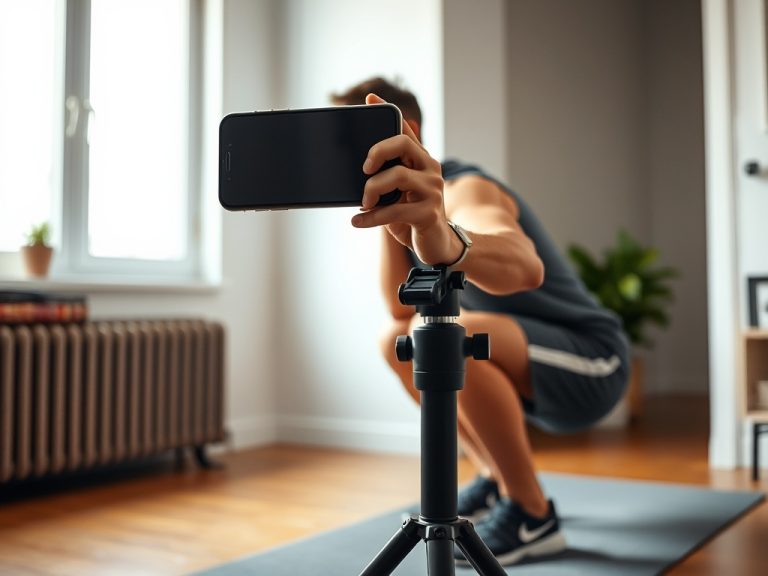
The best non-food reward system connects a small, meaningful reward to a behavior you can control, such as completing planned workouts or preparing tomorrow's lunch. It should support the habit without creating guilt, overspending, or a second problem to manage.
TL;DR: Reward the process, deliver the reward soon enough to feel connected, offer choices, and use larger rewards only for longer milestones. Good options include protected leisure time, experiences, hobby supplies, music, recovery rituals, or progress toward a practical purchase.
What a reward system is meant to do
A reward adds a positive consequence after a chosen behavior. In health and fitness, its job is to make repetition feel worthwhile while slow outcomes develop. It is not a bribe for doing something harmful, and it does not need to be expensive.
Behavior-based rewards work better than waiting only for a scale number, appearance change, or personal record because outcomes are influenced by many factors. You can control whether you followed the plan today; you cannot command a specific body change by Friday.
The CDC's habit-building guidance recommends starting small, preparing for disruptions, and tracking progress. A reward system can reinforce that practical approach by recognizing the repeated action rather than demanding perfection.
Why food can be a complicated reward
Food is pleasurable, social, and culturally meaningful. The goal is not to remove celebration or label foods as bad. The problem is using food as the automatic payment for exercise, restriction, or body change.
An earn-and-burn pattern can make a person feel that eating requires compensation. It may also strengthen all-or-nothing thinking: a "good" week earns unrestricted eating, while an imperfect week deserves punishment. For people with a history of disordered eating, this framing can be especially risky and deserves professional support.
Non-food rewards widen the options. A favorite meal can still be enjoyed because it belongs in life, not because a workout purchased permission.
Use four levels of rewards
Immediate acknowledgment
After the behavior, mark it complete, play a favorite song, take a relaxing shower, or spend ten minutes with a book. The reward is small and close to the action.
Weekly choice
If you meet the week's behavior target, choose a protected block of leisure, a movie, an outdoor outing, a longer hobby session, or a new class. Use a target that allows ordinary disruptions rather than requiring a perfect streak.
Milestone experience
After a month or a completed training block, plan an experience such as a museum visit, hike, massage, workshop, or time with a friend. Choose something that fits your budget, health, and interests.
Contribution toward a useful item
Place a small amount into a reward fund after each completed week. The eventual purchase might be comfortable walking shoes, workout clothing, a home exercise item, a book, or hobby equipment. The item should support life or the activity without suggesting that better gear is required to deserve participation.

Match rewards to the behavior, not the outcome
Define the behavior precisely. "Be healthier" is too vague. "Complete two strength sessions and one walk by Sunday" can be observed. "Prepare three workday lunches" is clearer than "eat clean."
If fat loss is a goal, reward the planning and tracking behaviors rather than pounds lost. The CDC's current weight-loss guidance specifically encourages realistic goals, progress monitoring, and non-food rewards such as flowers, an outing, or a relaxing bath.
A behavior target should also have a minimum version. If a full workout becomes impossible, a short backup session may preserve the streak. The article on why consistency beats intensity explains how to define that repeatable floor.
Build a reward menu instead of one fixed prize
Preferences change. A menu prevents the system from becoming stale and respects differences in energy, time, and money.
- Free and short: uninterrupted reading, a favorite playlist, an afternoon nap when appropriate, a long bath, or time in a park.
- Social: call a friend, attend a free community event, plan a walk together, or host a game night.
- Creative: work on art, music, gardening, photography, crafts, or another hobby.
- Convenience: outsource an disliked task, reserve quiet time, or reorganize a space to make the routine easier.
- Experience-based: visit a museum, explore a new trail, attend a class, or take a day trip.
- Practical purchase: replace worn equipment, buy a book, or add to a larger savings goal.
Choose rewards that are genuinely pleasant to you. A spa treatment is not motivating if you dislike it, and new fitness gear is not necessary if your goal is to reduce spending.
A simple point system
Assign one point to the smallest target behaviors and save larger rewards for accumulated points. For example, a planned workout, bedtime routine, meal-prep block, or mobility session could each earn a point. Set a weekly cap so the system does not encourage excessive exercise.
Keep the rules visible and brief. A complicated spreadsheet can become more work than the habit. Review the system after two weeks: Did it make starting easier? Did you choose the reward? Did the point rules encourage safe behavior?
Never award extra points for training through pain, skipping prescribed rest, or eating below a medically appropriate plan. Recovery behaviors can earn points too.
Avoid common reward-system mistakes
Requiring a perfect streak
Perfect streaks are fragile. Use a realistic threshold, such as completing most planned behaviors, and allow a planned rest or travel adaptation.
Making every reward a purchase
Shopping can create financial stress and clutter. Keep most rewards free or low-cost and reserve purchases for meaningful milestones.
Delaying the reward for too long
A reward six months away may feel disconnected from today's behavior. Combine immediate acknowledgment with a longer milestone.
Rewarding excessive volume
Systems based only on minutes, calories, or steps can push people beyond recovery. Cap the rewarded amount and prioritize plan completion.
Removing the reward after a setback
A difficult day should not erase earlier completed work. Resume the system and adjust the obstacle. For trips or celebrations, the guide to staying on track during holidays and travel shows how to protect a few anchors instead of chasing perfection.
Include recovery and self-care without turning them into prizes
Sleep, medical care, hydration, and adequate food are needs, not luxuries that must be earned. Do not withhold them after an imperfect week. A reward can add pleasure to recovery, such as quiet reading or a favorite low-key activity, but basic care remains unconditional.
The same applies to a warm-up. Use the morning warm-up framework because it supports safe preparation, not because the body earned mobility work.
Know when rewards should fade into routine
External rewards are scaffolding. As the behavior becomes easier, reduce the points or reserve rewards for new challenges. The activity may develop its own benefits: improved mood, social connection, competence, or enjoyment. Those are valuable, but they should not be promised as identical for everyone.
If a system creates anxiety, compulsive checking, financial strain, or pressure to exercise despite illness or injury, stop using it. People with eating disorders, compulsive exercise, or significant body-image distress should work with qualified health professionals rather than relying on a self-designed reward plan.
Choose a reward you will actually use
Write one specific weekly behavior, a realistic completion threshold, and three non-food rewards at different cost levels. Test the system for two weeks, then keep only the parts that make the desired behavior easier to repeat.