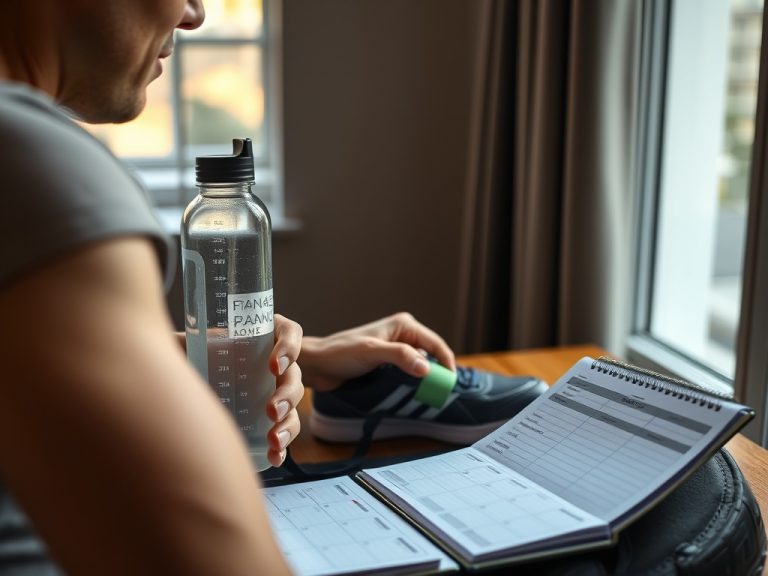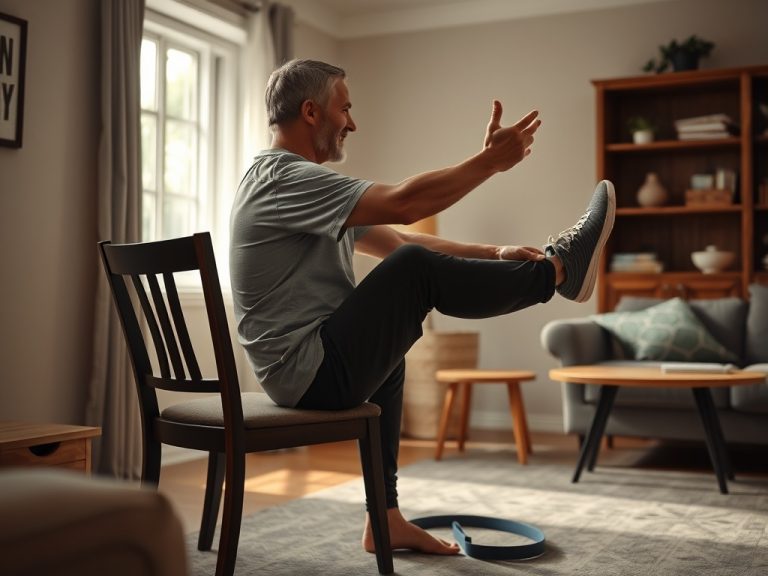
For most people, a repeatable plan produces better long-term results than occasional all-out effort. Intensity matters, but only after the routine is realistic enough to survive busy weeks, low-energy days, travel, and ordinary setbacks.
TL;DR: Build a minimum routine you can complete reliably, track a few meaningful behaviors, and increase difficulty only when recovery and adherence are stable. A moderate session completed three times most weeks usually has more value than a punishing session followed by a long gap.
Why repeatable effort changes more than heroic effort
Health and fitness adaptations are responses to repeated exposure. Muscles need recurring resistance, aerobic fitness develops through accumulated work, and eating patterns influence outcomes through what happens across many days. One hard workout can create fatigue and soreness, but it cannot replace the repeated practice that gives the body a reason to adapt.
Public-health guidance reflects this weekly view. The World Health Organization's physical activity guidance emphasizes that any amount of activity is better than none and that activity can come from transport, work, recreation, and household tasks. The point is not to make every session extreme. It is to accumulate enough suitable movement over time.
Consistency also improves skill. A beginner who practices a squat pattern twice each week has more opportunities to refine balance, bracing, and range of motion than someone who performs a huge leg workout once every few weeks. The same principle applies to meal planning, bedtime routines, walking, and mobility work. Repetition reduces the number of decisions required, which makes the behavior easier to continue.
Intensity is a tool, not the foundation
Intensity can mean heavier weight, faster pace, harder intervals, greater effort, or a more demanding calorie target. Each can be useful when it matches the goal and the person's readiness. The problem begins when intensity becomes the only sign that a session "counted."
The CDC's adult activity overview describes a weekly combination of aerobic and muscle-strengthening activity and notes that activity can be divided into smaller chunks. That flexibility matters. Someone can meet a weekly target through several manageable sessions instead of relying on one exhausting effort.
Build a minimum routine before an ideal routine
Start by defining the smallest version of the plan that still moves the goal forward. This is not the easiest plan imaginable. It is the version you can maintain during a normal, imperfect month.
- Choose two or three priority behaviors rather than changing everything at once.
- Give each behavior a clear frequency, such as two strength sessions or four walks per week.
- Create a shorter backup version for disrupted days.
- Decide when and where the behavior will happen.
- Keep equipment, meals, or clothing easy to access.
For example, an ideal strength workout might take 50 minutes, while the backup version could use three compound movements in 20 minutes. An ideal meal-prep day might cover a full week, while the backup could mean preparing one protein, one grain, and washed produce for the next two days. The backup preserves the identity and rhythm of the habit without pretending every day offers the same resources.
The CDC's guidance on fitting a new habit into daily life recommends starting small, planning for interruptions, and choosing goals that can be achieved most of the time. This is a practical standard because a routine must function outside perfect conditions.
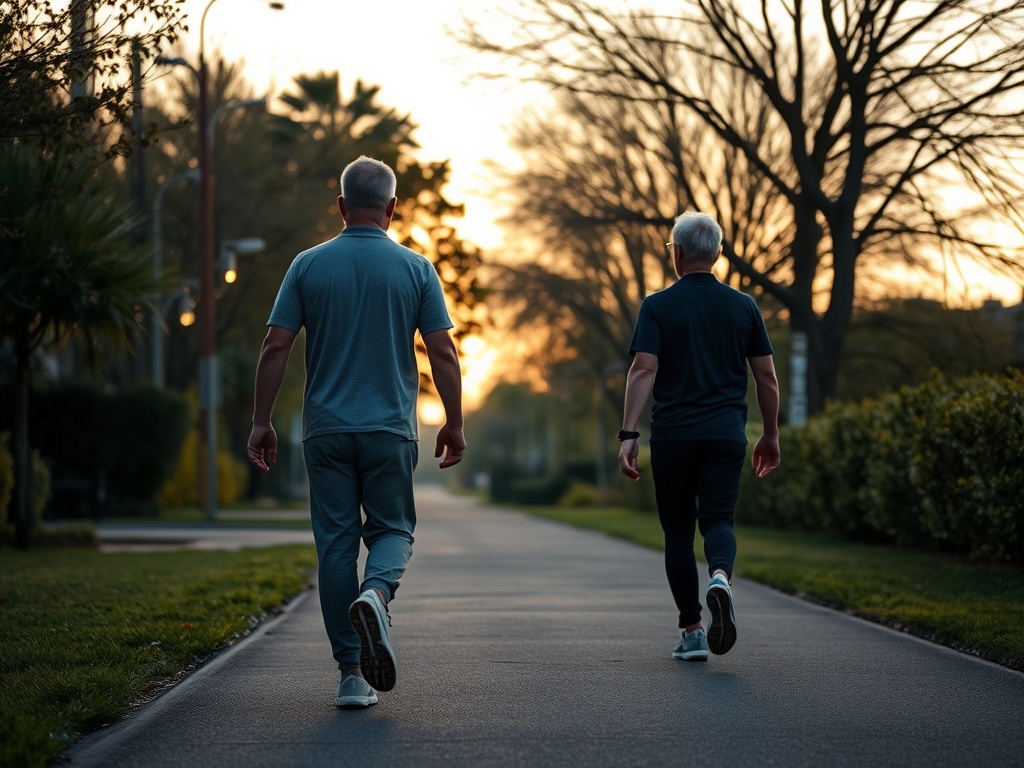
Use progression without breaking the routine
Consistency does not mean repeating the same easy workload forever. It means progressing from a stable base. Change one main variable at a time so you can tell what the body is responding to.
In strength training, progression might mean adding a repetition, a small amount of load, an additional set, or a more controlled range of motion. In walking or cardio, it might mean adding five minutes, including a hill, or increasing pace for short segments. In nutrition, it could mean improving the protein or produce content of one meal before redesigning the entire day.
Increase the challenge when the current routine is being completed with acceptable technique, manageable soreness, stable sleep, and no persistent decline in motivation. If the new level causes repeated missed sessions or worsening form, the step was probably too large. Reduce the dose and rebuild.
Readers pursuing body-composition goals should also understand that harder is not always better. The discussion of building muscle in a calorie deficit shows why training quality, protein intake, recovery, and deficit size must work together. Aggressive restriction plus maximal training can create more fatigue without guaranteeing a better result.
Mistakes that make intensity look more effective than it is
Measuring success by soreness
Soreness is not a dependable score for workout quality. A new movement can create soreness without being the best stimulus, while a familiar and productive program may create little soreness. Track performance and adherence instead.
Restarting after every imperfect week
People often treat one missed session or unplanned meal as proof the plan failed. This turns a small deviation into a long break. Resume at the next practical opportunity and consider what obstacle needs a backup plan.
Adding volume faster than recovery
More sets, miles, classes, and restrictions all cost recovery capacity. When several variables rise at once, it becomes difficult to identify why energy, sleep, or performance is declining.
Copying an advanced person's schedule
A schedule that fits an experienced athlete, trainer, or online creator may not fit a beginner's skill, work demands, or recovery. Use examples as possibilities, not prescriptions.
Rewarding only dramatic outcomes
Scale weight, race times, and visible muscle change slowly and can fluctuate. A better system reinforces behaviors within your control. The guide to non-food reward systems offers ways to recognize completed behaviors without turning food into a moral scorecard.
Track the signals that show the plan is working
Use a small scorecard rather than collecting every possible metric. Useful markers include sessions completed, average daily steps, loads or repetitions, sleep consistency, energy during training, and how often the backup plan was used. For nutrition, a simple record of planned meals, hunger patterns, or protein-containing meals may be more actionable than constant perfection-focused tracking.
Review trends every two to four weeks. A single weigh-in, poor workout, or short night of sleep does not define progress. Look for direction: Is the routine becoming easier to start? Is technique improving? Are missed sessions less frequent? Can you do slightly more work with similar effort? Those are signs that capacity is growing.
If progress is absent despite steady adherence, adjust one constraint. The program may need more challenge, better recovery, more appropriate nutrition, or a clearer goal. A thoughtful approach to planning meals around strength and cardio can help align food choices with the work being performed.
When to reduce effort or seek support
Persistent pain, dizziness, fainting, chest symptoms, unusual shortness of breath, or a marked decline in function should not be treated as a motivation problem. Stop the session as appropriate and seek medical guidance. People with chronic conditions, pregnancy-related considerations, a history of eating disorders, or major changes in health should use individualized advice when changing exercise or nutrition.
Ordinary fatigue calls for adjustment, not guilt. Reduce volume, use the backup session, or take a recovery day. The goal is to protect the next several weeks of useful work.
Build the week you can repeat
Choose one minimum weekly target today, schedule it, and write a backup version beside it. Complete that plan for two weeks before adding difficulty. Consistency is not a lack of ambition; it is the structure that gives ambition time to produce a result.
ARTICLE 2
Can You Build Muscle in a Calorie Deficit? What the Research Suggests
Yes, some people can gain muscle while eating fewer calories than they use, but the outcome is not guaranteed. It is more likely when resistance training is new or recently resumed, the calorie deficit is moderate, protein intake is adequate, and recovery supports productive training.
TL;DR: A calorie deficit favors weight loss, while muscle growth requires a strong training signal and enough building material. Beginners, people returning after a break, and some people with more stored body fat may achieve both. Experienced, lean lifters usually face a harder tradeoff and may do better prioritizing muscle retention during a cut.
Why the two goals can conflict
Losing body mass requires an energy deficit over time. Building new muscle tissue is an energy-demanding process supported by resistance training, dietary protein, and recovery. Those conditions can overlap, but a large or prolonged deficit can reduce training performance, recovery capacity, and the resources available for growth.
This is why "recomposition" should not be presented as an automatic result of lifting while dieting. The realistic question is not simply whether muscle gain is possible. It is how likely it is for a particular person, how much gain is plausible, and what tradeoffs are acceptable.
Who has the best chance of gaining muscle while losing fat
New lifters
Someone who has not trained with progressive resistance has a large adaptation opportunity. Early improvements include better coordination and strength as well as changes in muscle tissue. A well-designed beginner program can provide a strong new stimulus even when calories are modestly restricted.
People returning after time away
Detrained lifters often regain previously developed strength and muscle more readily than they built it the first time. The rate varies, and previous training does not remove the need for gradual loading, but a return phase can be compatible with fat loss.
People with more energy reserves
People with higher levels of stored body fat may have more energy available during a deficit than very lean individuals. This does not guarantee recomposition, and body size alone cannot predict the outcome. Training age, protein intake, sleep, health status, stress, and deficit size still matter.
Experienced, lean trainees
The more trained and lean a person becomes, the narrower the conditions for adding muscle in a deficit. At that stage, maintaining muscle and strength can be a successful cutting outcome. Expecting rapid fat loss and clear muscle gain at the same time may drive unnecessary restriction or excessive training.
The four conditions that matter most
1. Use a progressive resistance program
Muscle requires a reason to be retained or built. Train major movement patterns with enough effort to challenge the target muscles, use technique you can repeat, and keep records of load and repetitions. More fatigue is not the same as more stimulus. The program should allow performance to remain reasonably stable across the week.
The article on consistency versus intensity explains why a repeatable training dose is a better base than sporadic maximal sessions. During a deficit, that principle becomes even more important because recovery resources are reduced.
2. Keep the deficit moderate and measurable
A smaller deficit generally gives training and recovery more room than a crash diet. The exact intake required differs by body size, activity, medication, health status, and goal. The NIDDK Body Weight Planner illustrates that body-weight change is dynamic and that calorie needs change as body weight and activity change.
Avoid treating an estimated maintenance number as exact. Track body-weight trends, gym performance, hunger, sleep, and adherence, then adjust gradually. Rapid changes at the beginning of a diet can reflect water and glycogen, not only fat.
3. Distribute sufficient protein across the day
Protein supplies amino acids used in muscle repair and remodeling. The International Society of Sports Nutrition position stand on protein and exercise describes higher protein needs for exercising people than for sedentary adults and notes that total daily intake and distribution across meals both matter.
A useful approach is to include a meaningful protein source at several meals rather than relying on one large serving. Suitable foods can include dairy, eggs, fish, poultry, lean meats, soy foods, beans, lentils, or other choices that fit dietary preferences and medical needs. Supplements are optional conveniences, not a requirement.
4. Protect sleep and training quality
If the deficit consistently reduces sleep quality, concentration, mood, or performance, the plan may be too demanding. Recovery includes rest days, enough time between hard sessions, and food choices that support training. A targeted morning warm-up routine can improve readiness, but it cannot compensate for chronic under-recovery.
A practical recomposition framework
Start with two to four resistance sessions per week based on experience and schedule. Use compound movements and targeted accessory work that cover major muscle groups. Most working sets should finish with effort remaining rather than repeated technical failure. Keep the exercise menu stable long enough to judge progress.
Plan meals so protein is present across the day and carbohydrates are available around demanding training when they improve comfort and performance. Dietary fat also remains necessary; cutting an entire macronutrient category is not a shortcut. The guide to planning meals around strength training and cardio provides a flexible structure without requiring rigid meal timing.
Track a rolling body-weight average under similar conditions, not isolated readings. Add waist or clothing-fit observations if useful, but avoid obsessive measuring. In the gym, record repetitions, load, range of motion, and perceived effort. Progress may appear as maintained strength at a lower body weight, improved repetitions with the same load, or better technique.
Common mistakes that reduce the odds
Cutting calories aggressively to speed the process
A larger deficit may produce faster scale change but can also increase hunger, fatigue, and lean-mass risk. If training quality collapses, the muscle-building signal weakens.
Chasing failure in every set
Training close to failure can be useful, but constant failure adds fatigue and can degrade technique. Use it selectively, especially for safer accessory movements.
Treating protein as the only nutrition variable
Protein does not cancel an extreme deficit, poor food quality, inadequate carbohydrate for training, or insufficient dietary fat. The whole eating pattern matters.
How to judge whether the plan is working
Review four to six weeks rather than a few days. A promising pattern includes a gradual downward weight trend, stable or improving performance, manageable hunger, and no persistent decline in sleep or mood. Body-composition devices have error and should be treated as estimates; compare measurements under consistent conditions and focus on trends.
If weight is falling quickly and performance is declining across several sessions, reduce the deficit or training fatigue. If nothing changes and tracking is reliable, make a small adjustment to intake or activity. If strength and measurements improve while scale weight changes slowly, recomposition may be occurring, but avoid claiming a precise amount without reliable assessment.
When professional guidance is appropriate
People who are pregnant or breastfeeding, under 18, managing diabetes or kidney disease, taking weight-affecting medication, recovering from surgery, or living with an eating disorder need individualized medical and nutrition guidance. Persistent menstrual changes, repeated injuries, dizziness, fainting, or extreme fatigue are reasons to stop pushing the deficit and seek care.
Run a controlled phase, not a permanent test
Choose a moderate target, follow a progressive program, and monitor recovery for a defined block. If the evidence from your own trend shows the goals are competing, decide which outcome matters more now. Maintaining muscle while losing fat is already a strong result; gaining some muscle is a possible bonus, not a promise.
ARTICLE 3
Can You Get Fit Just by Walking 10,000 Steps a Day?
Walking 10,000 steps a day can meaningfully improve activity levels and aerobic health, especially if you are currently inactive. It is not a complete fitness program by itself, and 10,000 is a convenient target rather than a universal biological threshold.
TL;DR: Use steps to reduce sedentary time and build an aerobic base. Your useful target may be below or above 10,000. Add some brisk walking, two weekly strength sessions, and balance or mobility work when relevant to create a more complete plan.
What "getting fit" actually includes
Fitness is not one quality. It can include cardiorespiratory endurance, muscular strength, muscular endurance, balance, mobility, power, and the ability to perform daily tasks. Walking trains some of these more than others.
Regular walking can improve your capacity to move for longer, increase daily energy expenditure, and make stairs or errands feel easier. Brisk walking can count as moderate-intensity aerobic activity. However, a comfortable step total may not challenge the heart and lungs enough for continued aerobic improvement, and ordinary walking usually provides limited stimulus for upper-body strength.
The CDC explains adult activity targets as a combination of weekly aerobic activity and muscle strengthening on at least two days. This makes steps a valuable component, not a substitute for every component.
Why 10,000 became popular, and why it is not magic
Ten thousand is easy to remember and simple for devices to display. Research supports a broad association between higher daily step counts and better health outcomes, but benefits do not begin only after the five-digit mark.
A large prospective study published in JAMA Internal Medicine found that greater daily step counts were associated with lower risks of several adverse health outcomes, with benefits appearing across a range rather than at one pass-fail number. Observational research can show association, not prove that steps alone caused every difference, but it supports the idea that moving more than your current baseline matters.
Age, stride length, occupation, disability, health status, and starting activity all change what a step number means. A warehouse worker and a remote office worker may reach the same count with very different effort. A shorter person may take more steps over the same distance than a taller person. Someone recovering from illness may make substantial progress well below 10,000.
Steps, pace, and complete fitness serve different jobs
| Measure or activity | What it can show or develop | What it may miss |
|---|---|---|
| Daily step count | Total ambulatory movement and reduced sitting | Effort level, strength, cycling, swimming, or load carried |
| Brisk walking time | Moderate aerobic work when the pace raises breathing | Upper-body strength and high-force capacity |
| Resistance training | Strength, muscle endurance, and load tolerance | Daily movement volume and aerobic work |
| Balance and mobility practice | Control, range, and confidence in specific movements | Aerobic capacity unless movements are continuous and demanding |
You do not need to optimize every quality at once. Beginners often do well by establishing a walking habit first, then adding one or two missing elements.
Find a useful starting target
Wear a tracker or carry your phone for a typical week without changing your behavior. Average several ordinary days, including a weekend day if your schedule differs. This creates a baseline that belongs to you.
Then add a manageable amount. That might be a short walk after lunch, parking farther away, walking during a call, or taking a ten-minute loop after dinner. The CDC's getting-started guidance recommends starting slowly, choosing enjoyable times and places, and building activity into the schedule.
Avoid jumping from a low baseline directly to 10,000 because the number looks standard. Rapid increases can irritate feet, shins, knees, hips, or tendons, particularly when footwear, terrain, or recovery also changes. Add steps gradually and hold the new level long enough to judge comfort.
Make some of the walking purposeful
If health allows, include segments that feel moderately challenging. A practical talk test is that you can speak in sentences but would struggle to sing. Hills, faster intervals, or a slightly longer continuous walk can increase the aerobic demand without requiring running.
Try one of these beginner options:
- Add five one-minute brisk segments to an easy walk, with comfortable walking between them.
- Choose a route with a gentle hill once or twice per week.
- Take one continuous 20- to 30-minute walk while keeping the rest of the day's steps easy.
- Carry groceries or climb stairs as daily tasks, without turning every walk into loaded exercise.
Warm up by beginning at an easy pace. If mornings feel especially stiff, the article on warming up for morning workouts provides a gradual sequence that can be adapted before a brisk walk.
Add the pieces walking does not fully cover
Two short strength sessions can cover major movement patterns: sitting and standing, hinging, pushing, pulling, carrying, and calf work. Body-weight movements, resistance bands, machines, or free weights can all work when appropriately scaled. A beginner does not need a complicated gym plan.
Balance work matters more for some people, including older adults or anyone whose condition affects stability. Practice near a stable support and use professional guidance when fall risk is significant. Mobility work should target movements you need rather than chasing extreme flexibility.
If privacy or convenience makes home exercise preferable, simple exercises can fill these gaps. Camera-based coaching may look appealing, but read the guide to using camera-based form feedback critically before treating an app's score as expert supervision.
Common mistakes with step goals
Treating the target as all or nothing
A day with 7,500 steps is not a failure because the screen did not show 10,000. Weekly patterns and the change from your baseline are more useful than a daily streak maintained at any cost.
Ignoring intensity
Ten thousand very easy steps can be valuable daily movement, but they may stop challenging aerobic fitness. Include some purposeful pace if appropriate.
Using walking to compensate for eating
Exercise calories displayed by devices are estimates. Avoid earning or punishing food through steps. For body-composition goals, use a broader eating plan and review fat-loss strategies for holidays and travel when routines change.
Increasing distance through pain
Normal effort and mild temporary muscle fatigue differ from sharp, worsening, or persistent pain. Reduce the load and seek assessment when symptoms change your gait, disturb sleep, or do not improve.
Forgetting non-step activities
Cycling, swimming, rowing, wheelchair propulsion, and strength training may produce few steps while still providing meaningful exercise. The step count is one input, not a grade for the entire day.
How to measure progress beyond the number
Track whether a familiar route feels easier, whether your pace improves at a similar effort, and whether you recover comfortably by the next day. Daily function also matters: carrying bags, walking through an airport, or climbing stairs with less breathlessness can show useful change.
After several weeks, decide what the next goal requires. If you want general health, maintain the habit and add strength. If you want faster race times, you need more specific training. If you want fat loss, walking can support energy expenditure but nutrition, sleep, and stress management remain part of the plan.
Turn the number into a flexible plan
Set a step range based on your baseline rather than a rigid universal target. Include two or three brisk segments each week and add strength on two days. Reassess after a month. Ten thousand can be motivating, but the better goal is a mix of activity you can sustain and safely progress.
ARTICLE 4
How to Plan Meals Around Strength Training and Cardio
Plan meals around training by first meeting your total daily nutrition needs, then place protein and carbohydrate where they support comfort, performance, and recovery. Exact timing matters less than a consistent eating pattern that fits your schedule and type of workout.
TL;DR: Include protein at several meals, use carbohydrate to support demanding sessions, keep dietary fat and produce in the overall pattern, and adjust meal size based on how soon you train. Hydration and tolerance matter more than copying a rigid "anabolic window."
Start with the whole day, not the workout window
No pre-workout snack can repair a day that is chronically under-fueled, and no post-workout shake automatically creates progress. Strength and cardio adaptations depend on repeated training supported by adequate energy, nutrients, sleep, and recovery.
The Dietary Guidelines for Americans provide the broader foundation: a nutrient-dense eating pattern built from vegetables, fruits, grains, protein foods, dairy or fortified alternatives, and suitable fats. Training nutrition modifies that foundation; it does not replace it.
Begin by identifying the week's hard sessions, easier sessions, and rest days. Your appetite and carbohydrate needs may be higher around long cardio, intervals, or demanding strength workouts than around a short mobility session. Keep protein fairly consistent, while meal size and carbohydrate can flex with workload.
Give each macronutrient a clear job
Protein supports repair and remodeling
Resistance training stimulates muscle remodeling, and dietary protein provides amino acids used in that process. Include protein at several eating occasions rather than saving almost all of it for dinner. Foods may include eggs, dairy, fish, poultry, lean meat, soy, beans, lentils, or combinations that fit your preferences.
The ISSN protein position stand discusses total intake, meal distribution, and the higher needs commonly seen in exercising people. Individual targets vary, especially with energy restriction, age, kidney disease, pregnancy, and overall training load, so a registered dietitian can help with clinical or performance-specific planning.
Carbohydrate supports higher-output work
Carbohydrate helps supply energy for moderate- and high-intensity training and restores muscle glycogen after it is used. Strength sessions with many sets, interval workouts, and longer endurance sessions often feel better when carbohydrate is available. Easy walking or brief technique work may require no special fueling beyond regular meals.
Fat supports the overall eating pattern
Dietary fat contributes energy, essential fatty acids, and absorption of fat-soluble vitamins. Very fatty meals can digest slowly, so some people prefer to keep them smaller immediately before intense training. That is a comfort decision, not a reason to remove fat from the diet.
Match meal size to the time before training
| Time before exercise | Practical approach | Examples |
|---|---|---|
| 2-4 hours | Balanced meal with protein, carbohydrate, produce, and a comfortable amount of fat | Rice bowl with chicken or tofu and vegetables; oats with yogurt and fruit |
| 60-120 minutes | Smaller, familiar meal or snack emphasizing easy-to-digest carbohydrate plus some protein | Banana with yogurt; toast with eggs; cereal with milk or fortified alternative |
| Less than 60 minutes | Optional light snack if hungry and tolerated | Fruit, a small drinkable yogurt, or a simple carbohydrate food |
| After training | Normal meal with protein, carbohydrate, fluids, and produce when practical | Lentil and grain bowl; fish with potatoes and vegetables; smoothie plus a full meal later |
These are examples, not rules. A person who trains comfortably after a full meal may not need a snack. Someone exercising early may prefer a small bite before training and a larger breakfast afterward.
Strength days: prioritize performance and protein distribution
Before lifting, choose a meal that leaves you energized without stomach heaviness. Carbohydrate can support training volume, while protein contributes to the day's total. Afterward, eat another protein-containing meal within a reasonable period that fits your routine.
The ISSN position stand on nutrient timing explains that timing can support recovery and body composition but should be considered alongside total daily intake. The popular idea that everyone must consume a shake within minutes is too rigid. The size and timing of the meal before training influence how urgent the next meal is.
People trying to add or preserve muscle while dieting should avoid combining hard lifting with severe restriction. The article on muscle gain in a calorie deficit describes who may recomposition and why training quality remains a useful signal.
Cardio days: scale fuel to duration and intensity
An easy 30-minute walk usually needs no special sports nutrition. A long run, extended ride, or interval session has different demands. As duration and intensity rise, pre-session carbohydrate becomes more useful, and longer sessions may require fluid, electrolytes, or carbohydrate during exercise depending on conditions and the athlete.
Do not copy endurance-fueling numbers without considering body size, climate, sweat rate, gut tolerance, session length, and health. Practice any in-session fueling during training rather than trying it for the first time in an important event.
After demanding cardio, combine carbohydrate and protein in a normal meal. If another hard session follows soon, recovery timing becomes more important. If the next demanding workout is days away, ordinary meals usually provide more flexibility.
Build a simple weekly meal system
Choose flexible components rather than a rigid seven-day menu:
- Two or three protein options that can anchor meals.
- Two easy carbohydrate bases, such as rice, oats, potatoes, bread, pasta, or whole grains.
- Several vegetables and fruits in fresh, frozen, or canned forms.
- Flavor additions such as herbs, sauces, nuts, seeds, or suitable oils.
- Portable snacks for sessions that fall between meals.
Cook enough for planned leftovers, but keep one emergency meal available for late workdays. A freezer meal, canned-bean bowl, eggs and toast, or yogurt with fruit and oats can protect the routine when preparation time disappears.
If travel or celebrations disrupt the week, use the decision framework in staying on track with fat loss during holidays and travel instead of trying to preserve a perfect home schedule.
Hydration without guesswork
Begin most sessions normally hydrated and keep water accessible. Fluid needs rise with heat, humidity, duration, body size, clothing, and individual sweat rate. Thirst and urine color can provide general context, but neither is a precise performance prescription.
Mistakes that make meal timing harder than necessary
Avoid changing several foods and supplements at once, training fasted because it seems more disciplined, or choosing a heavy high-fiber meal immediately before intervals when your stomach is not accustomed to it. Do not estimate workout calorie burn and automatically eat it back; consumer-device numbers can be imprecise.
Another common mistake is making rest-day intake dramatically different. Recovery continues after the workout. Rest days still need protein, micronutrients, fluids, and enough energy to support the next session.
Adjust using performance and comfort
Track a few observations for two weeks: hunger before training, energy during the final sets or intervals, stomach comfort, recovery by the next day, and whether meals are practical. If you fade early, increase pre-session meal size or carbohydrate. If you feel heavy, move the meal earlier or make it smaller. If soreness and fatigue accumulate, review total intake and sleep rather than only the post-workout meal.
Create your repeatable training-day template
Select one pre-workout meal, one portable snack, and one post-workout meal that you already tolerate. Use them around this week's hardest sessions, then adjust from real feedback. A simple pattern repeated comfortably is more useful than a precise plan you cannot maintain.
ARTICLE 5
How to Stay on Track With Fat Loss During Holidays and Travel
Staying on track does not require losing weight every week of a holiday or trip. A better goal is to protect a few high-value habits, enjoy deliberate exceptions, and return to your usual routine without turning one unusual meal into several unplanned days.
TL;DR: Decide in advance whether the period is for continued loss or maintenance. Keep protein, produce, movement, sleep, and basic meal structure as anchors. Choose the foods and events that matter, skip compensation, and judge progress after normal routines and hydration have resumed.
Replace perfection with a clear objective
An advanced fat-loss plan should distinguish between a temporary change in environment and a failure of the strategy. Holidays and travel alter food availability, schedules, sleep, social expectations, and measurement conditions. Expecting an identical routine can create unnecessary friction.
Choose one of three objectives:
- Continue a modest deficit when the trip is predictable and the goal has a firm timeline.
- Maintain weight when events are frequent, training access is limited, or mental bandwidth is low.
- Pause deliberate tracking while keeping health anchors and a planned return date.
Maintenance can be a strategic success. It provides a break from restriction without abandoning the skills that support long-term weight management. The CDC's weight-loss guidance emphasizes realistic goals, monitoring, support, and returning after setbacks rather than expecting an uninterrupted straight line.
Define the anchors that travel with you
Anchors are behaviors that remain recognizable even when their exact form changes. Pick three to five rather than trying to preserve every detail.
Include protein in main meals
Protein can support satiety and muscle retention, especially when resistance training continues. At a restaurant, this may mean choosing eggs, yogurt, fish, poultry, lean meat, tofu, beans, or lentils as the meal's center. The portion does not need to be measured perfectly to be intentional.
Add produce where it is available
Fruit at breakfast, a vegetable side, soup, or a salad can add volume and micronutrients. This is not a rule that must precede dessert. It is a way to keep the meal connected to the usual eating pattern.
Keep daily movement visible
Walking through a city, airport, museum, or park can maintain activity even when structured training is unavailable. The guide to fitness through daily walking explains why steps are useful without making 10,000 a pass-fail standard.
Protect a sleep window
Travel and late celebrations may reduce sleep. Keep a consistent wake time when practical, seek morning light, and avoid scheduling every day from early morning to late night. Poor sleep can make hunger, mood, and training harder to manage.
Use a decision rule before entering the food environment
Decisions are easier before you are hungry and surrounded by options. A useful rule is: choose what is special, keep the ordinary food ordinary, and eat seated when possible.
At a holiday dinner, a family recipe may be worth including while packaged snacks available year-round are easy to skip. At a hotel breakfast, a familiar protein-and-fruit meal may preserve flexibility for a destination meal later. This is prioritization, not moral judgment about food.
The NIDDK Body Weight Planner shows that energy balance and body-weight change unfold over time. One meal can influence intake, but it does not instantly determine long-term fat change. Repeated patterns matter more than a single occasion.
Compare a loss-focused plan with a maintenance-focused plan
| Situation | Loss-focused choice | Maintenance-focused choice |
|---|---|---|
| Restaurant meal | Protein-centered entree, vegetable side, one deliberate extra | Enjoy the preferred meal, stop at comfortable fullness, resume normal structure next meal |
| Training access | Short full-body sessions plus walking | Walking and one or two brief movement sessions |
| Tracking | Use estimates and weekly trends | Track only anchors or pause logging with a return date |
| Celebration | Choose favorite foods and moderate portions | Allow broader choice without turning it into an all-day eating event |
Neither column is automatically superior. Select the one that matches the duration, importance of the event, and your relationship with tracking.
Plan for airports, road trips, and hotels
Airports and road travel can create long gaps followed by impulsive eating. Carry a suitable snack when permitted, such as fruit, nuts, a simple sandwich, roasted legumes, or a protein option that can be stored safely. Buy water after security and eat a normal meal rather than assembling several snack foods if that is more satisfying.
During road trips, use rest stops for a short walk and mobility break. The CDC offers travel-friendly activity ideas, including walking to airport gates, moving at rest stops, and using portable workouts.
In hotels, decide whether a room routine, gym visit, or outdoor walk is genuinely practical. A ten-minute session can preserve continuity, but it should not become punishment for restaurant food.
Handle alcohol and liquid calories deliberately
Alcohol adds energy, can reduce inhibition around food, and may disrupt sleep. Decide the number and type of drinks before the event, alternate with water, and avoid driving. People who do not drink do not need to start for health reasons.
Avoid the compensation cycle
Skipping meals before an event may arrive as extreme hunger. Adding punishing cardio afterward can increase fatigue and reinforce an unhealthy earn-and-burn relationship with food. Instead, eat a normal protein-containing meal earlier, attend the event hungry enough to enjoy it but not desperate, and resume the usual plan at the next meal.
Do not label the trip a "cheat period." That language often encourages eating past enjoyment because the opportunity feels temporary. Food can be pleasurable and still be chosen with awareness.
The article on non-food reward systems offers alternatives for celebrating adherence without turning either food or exercise into a moral reward.
Interpret scale changes correctly
Travel weigh-ins are noisy. More sodium, carbohydrate, alcohol, restaurant food, later meals, constipation, a different scale, and reduced sleep can all change body water and digestive contents. A rapid increase does not equal the same amount of fat gain.
If weighing supports rather than harms your process, return to normal hydration and meals for several days, then review an average under familiar conditions. Avoid severe restriction based on the first reading after a flight or celebration.
Keep training minimums realistic
For a short trip, maintaining movement may be enough. For a longer trip, two full-body sessions can help preserve strength. Use basic patterns such as squats to a chair, split-stance movements, push-ups against a wall or bench, band rows, hip hinges, calf raises, and carries when safe.
Meal preparation may be limited, but the framework in planning meals around strength and cardio can be simplified to protein, carbohydrate, produce, and fluids around the hardest sessions.
Create a specific re-entry plan
Before leaving, schedule the first grocery trip, ordinary breakfast, walk, and training session after the event. Keep the first workout slightly easier if sleep or travel fatigue is poor. Do not wait for Monday, a new month, or a "detox." Your regular routine is the reset.
Review what worked without shame. Which anchor survived? Which environment created repeated decisions? What would you pack or schedule differently next time? This turns travel into useful information rather than a test of character.
Protect the trend, not every day
Write your objective and three anchors before the next holiday or trip. Choose the meals that deserve flexibility and pre-plan the return. A sustainable fat-loss strategy has room for meaningful events because it is designed for a life that includes them.
ARTICLE 6
How to Warm Up for Morning Workouts When Your Body Feels Stiff
When your body feels stiff in the morning, begin with easy whole-body movement and progress toward the exact patterns and intensity of the workout. A warm-up should make motion feel smoother and effort feel more available; it should not force range or attempt to diagnose persistent pain.
TL;DR: Spend a few minutes raising body temperature, move major joints through comfortable ranges, activate the muscles needed for the session, and rehearse the first exercise with lighter effort. Extend the process on colder or stiffer mornings and stop if symptoms are sharp, worsening, or unusual.
Why mornings can feel different
After hours of relative inactivity, many people perceive more stiffness and less readiness to move. Temperature, sleep position, prior training, arthritis, hydration, stress, and individual circadian patterns can all influence the feeling. Stiffness is a symptom, not a single diagnosis, so the same routine will not fit everyone.
The goal is not to stretch every tissue as far as possible. It is to move from low demand to the demand of the planned session. The NHS warm-up routine begins with marching and simple joint movements and advises stopping if pain or illness occurs. That gradual sequence is a useful principle even when the specific exercises differ.
Use a four-stage morning warm-up
Stage 1: Raise temperature gently
Start with three to five minutes of easy movement. Walk around the room, march in place, ride a stationary bike, or use another accessible option. Begin below workout pace. Your breathing should increase slightly while conversation remains easy.
If the room is cold, wear an extra layer during the first minutes. A warm shower may help some people feel more comfortable, but passive warmth does not replace movement rehearsal.
Stage 2: Explore comfortable joint ranges
Move the ankles, hips, upper back, and shoulders through controlled ranges related to the workout. Examples include ankle rocks, hip hinges without load, gentle torso rotations, shoulder circles, and slow reaches. Use support when balance is uncertain.
Do not bounce into an end range or force a joint because it feels restricted. Motion should become easier across repetitions. If it becomes more painful, reduce the range or stop that movement.
Stage 3: Activate the working muscles
Choose two or three low-load movements that resemble the session. Before lower-body strength work, try glute bridges, sit-to-stands, or supported split-stance shifts. Before upper-body work, use wall presses, light band rows, or controlled arm raises.
Activation is not a separate magic process. It is simply a low-cost way to practice producing tension before heavier work.
Stage 4: Rehearse the first task
Perform several progressively harder warm-up sets of the first lift or short easy intervals before the main cardio pace. Increase load or speed in steps while keeping repetitions low enough to avoid fatigue. A runner might walk, jog easily, then include short relaxed accelerations. A lifter might use an empty bar or light dumbbells before working sets.
The Hospital for Special Surgery overview of dynamic stretching explains that dynamic movements prepare tissues through controlled motion and are generally better suited to pre-activity use than long static holds.
A 10-minute example for a strength session
Use this as a framework, not a treatment plan:
- Walk or march easily for two minutes.
- Perform six to eight ankle rocks and supported hip hinges.
- Complete five controlled sit-to-stands and five wall presses.
- Rehearse the first strength movement with a very light load.
- Add one or two gradual warm-up sets before the planned working weight.
If stiffness remains, repeat the movement that improved most rather than adding random drills. If you feel ready sooner, the routine can be shorter. Warm-up length should respond to the person, weather, workout, and recent activity.
Adapt the sequence to cardio
For walking, begin at a conversational pace before adding hills or brisk intervals. The article on whether 10,000 daily steps can build fitness shows how pace and total movement serve different purposes.
For running, cycling, or rowing, increase speed or resistance gradually. The harder the planned interval, the more valuable specific rehearsal becomes. A few brief increases in pace can prepare coordination without exhausting you.
Avoid opening a morning workout with an all-out sprint, maximal jump, or heavy first set. Even when the clock is tight, a shorter main workout with an adequate ramp-up is usually a better trade than skipping preparation for high-intensity work.
Static stretching: use it with a purpose
Long static holds can improve flexibility over time, but they are not always the best immediate preparation for strength, speed, or power. If a short static stretch helps you access a needed position, follow it with active motion and task rehearsal. Save longer flexibility work for a separate session or after training when appropriate.
Stretching should create tension, not sharp pain, numbness, or tingling. Nerve symptoms and joint pain deserve assessment rather than more force.
Morning fuel and hydration
Some people train comfortably before breakfast; others feel weak, nauseated, or light-headed. The right choice depends on session demands, medical needs, and tolerance. Water may be enough for a short easy workout, while a small carbohydrate-rich snack plus some protein may suit a longer or harder session. Do not use a large dose of caffeine to hide severe sleep loss.
Mistakes that turn a warm-up into fatigue
Doing too many corrective drills
A warm-up can become a second workout. Keep only movements that clearly improve readiness for the day's task.
Forcing symmetry
Bodies are not perfectly symmetrical. Small differences are common. Focus on comfortable, controlled function unless a clinician has identified a problem requiring specific rehabilitation.
Chasing clicks or cracks
Joint sounds without pain are often not a reliable indicator of readiness. Do not repeatedly force a movement to produce a sound.
Ignoring yesterday's training load
Stiffness after an unfamiliar or demanding session may signal that recovery is incomplete. Reduce load, volume, or impact instead of using the warm-up to justify the original plan.
Treating persistent pain as normal stiffness
Pain that is sharp, localized, worsening, associated with swelling, weakness, fever, recent injury, or neurological symptoms should not be pushed through. Seek medical care when appropriate.
Decide whether to proceed, modify, or stop
Proceed when movement becomes smoother, symptoms remain mild, and the rehearsal sets feel controlled. Modify the session when stiffness improves only partly: reduce range, load, speed, or total volume and choose stable variations. Stop and seek help for chest pain, fainting, severe shortness of breath, sudden weakness, or other urgent symptoms.
For ordinary low-readiness days, a consistency-first approach allows a shorter backup session without turning the day into a failure. If you are dieting and strength is falling across weeks, also review the recovery and fueling conditions discussed in building muscle during a calorie deficit.
Create your own three-level warm-up
Write a five-minute standard version, a ten-minute stiff-day version, and a pain-or-illness stop rule. Test the standard version on three mornings and record which movements improve readiness. Keep the routine focused on the workout you are actually about to do.
ARTICLE 7
The Best Reward Systems That Do Not Depend on Food
The best non-food reward system connects a small, meaningful reward to a behavior you can control, such as completing planned workouts or preparing tomorrow's lunch. It should support the habit without creating guilt, overspending, or a second problem to manage.
TL;DR: Reward the process, deliver the reward soon enough to feel connected, offer choices, and use larger rewards only for longer milestones. Good options include protected leisure time, experiences, hobby supplies, music, recovery rituals, or progress toward a practical purchase.
What a reward system is meant to do
A reward adds a positive consequence after a chosen behavior. In health and fitness, its job is to make repetition feel worthwhile while slow outcomes develop. It is not a bribe for doing something harmful, and it does not need to be expensive.
Behavior-based rewards work better than waiting only for a scale number, appearance change, or personal record because outcomes are influenced by many factors. You can control whether you followed the plan today; you cannot command a specific body change by Friday.
The CDC's habit-building guidance recommends starting small, preparing for disruptions, and tracking progress. A reward system can reinforce that practical approach by recognizing the repeated action rather than demanding perfection.
Why food can be a complicated reward
Food is pleasurable, social, and culturally meaningful. The goal is not to remove celebration or label foods as bad. The problem is using food as the automatic payment for exercise, restriction, or body change.
An earn-and-burn pattern can make a person feel that eating requires compensation. It may also strengthen all-or-nothing thinking: a "good" week earns unrestricted eating, while an imperfect week deserves punishment. For people with a history of disordered eating, this framing can be especially risky and deserves professional support.
Non-food rewards widen the options. A favorite meal can still be enjoyed because it belongs in life, not because a workout purchased permission.
Use four levels of rewards
Immediate acknowledgment
After the behavior, mark it complete, play a favorite song, take a relaxing shower, or spend ten minutes with a book. The reward is small and close to the action.
Weekly choice
If you meet the week's behavior target, choose a protected block of leisure, a movie, an outdoor outing, a longer hobby session, or a new class. Use a target that allows ordinary disruptions rather than requiring a perfect streak.
Milestone experience
After a month or a completed training block, plan an experience such as a museum visit, hike, massage, workshop, or time with a friend. Choose something that fits your budget, health, and interests.
Contribution toward a useful item
Place a small amount into a reward fund after each completed week. The eventual purchase might be comfortable walking shoes, workout clothing, a home exercise item, a book, or hobby equipment. The item should support life or the activity without suggesting that better gear is required to deserve participation.
Match rewards to the behavior, not the outcome
Define the behavior precisely. "Be healthier" is too vague. "Complete two strength sessions and one walk by Sunday" can be observed. "Prepare three workday lunches" is clearer than "eat clean."
If fat loss is a goal, reward the planning and tracking behaviors rather than pounds lost. The CDC's current weight-loss guidance specifically encourages realistic goals, progress monitoring, and non-food rewards such as flowers, an outing, or a relaxing bath.
A behavior target should also have a minimum version. If a full workout becomes impossible, a short backup session may preserve the streak. The article on why consistency beats intensity explains how to define that repeatable floor.
Build a reward menu instead of one fixed prize
Preferences change. A menu prevents the system from becoming stale and respects differences in energy, time, and money.
- Free and short: uninterrupted reading, a favorite playlist, an afternoon nap when appropriate, a long bath, or time in a park.
- Social: call a friend, attend a free community event, plan a walk together, or host a game night.
- Creative: work on art, music, gardening, photography, crafts, or another hobby.
- Convenience: outsource an disliked task, reserve quiet time, or reorganize a space to make the routine easier.
- Experience-based: visit a museum, explore a new trail, attend a class, or take a day trip.
- Practical purchase: replace worn equipment, buy a book, or add to a larger savings goal.
Choose rewards that are genuinely pleasant to you. A spa treatment is not motivating if you dislike it, and new fitness gear is not necessary if your goal is to reduce spending.
A simple point system
Assign one point to the smallest target behaviors and save larger rewards for accumulated points. For example, a planned workout, bedtime routine, meal-prep block, or mobility session could each earn a point. Set a weekly cap so the system does not encourage excessive exercise.
Keep the rules visible and brief. A complicated spreadsheet can become more work than the habit. Review the system after two weeks: Did it make starting easier? Did you choose the reward? Did the point rules encourage safe behavior?
Never award extra points for training through pain, skipping prescribed rest, or eating below a medically appropriate plan. Recovery behaviors can earn points too.
Avoid common reward-system mistakes
Requiring a perfect streak
Perfect streaks are fragile. Use a realistic threshold, such as completing most planned behaviors, and allow a planned rest or travel adaptation.
Making every reward a purchase
Shopping can create financial stress and clutter. Keep most rewards free or low-cost and reserve purchases for meaningful milestones.
Delaying the reward for too long
A reward six months away may feel disconnected from today's behavior. Combine immediate acknowledgment with a longer milestone.
Rewarding excessive volume
Systems based only on minutes, calories, or steps can push people beyond recovery. Cap the rewarded amount and prioritize plan completion.
Removing the reward after a setback
A difficult day should not erase earlier completed work. Resume the system and adjust the obstacle. For trips or celebrations, the guide to staying on track during holidays and travel shows how to protect a few anchors instead of chasing perfection.
Include recovery and self-care without turning them into prizes
Sleep, medical care, hydration, and adequate food are needs, not luxuries that must be earned. Do not withhold them after an imperfect week. A reward can add pleasure to recovery, such as quiet reading or a favorite low-key activity, but basic care remains unconditional.
The same applies to a warm-up. Use the morning warm-up framework because it supports safe preparation, not because the body earned mobility work.
Know when rewards should fade into routine
External rewards are scaffolding. As the behavior becomes easier, reduce the points or reserve rewards for new challenges. The activity may develop its own benefits: improved mood, social connection, competence, or enjoyment. Those are valuable, but they should not be promised as identical for everyone.
If a system creates anxiety, compulsive checking, financial strain, or pressure to exercise despite illness or injury, stop using it. People with eating disorders, compulsive exercise, or significant body-image distress should work with qualified health professionals rather than relying on a self-designed reward plan.
Choose a reward you will actually use
Write one specific weekly behavior, a realistic completion threshold, and three non-food rewards at different cost levels. Test the system for two weeks, then keep only the parts that make the desired behavior easier to repeat.
ARTICLE 8
The Best Recovery Habits for Women Balancing Work, Family, and Training
The most useful recovery habits are the ones that protect sleep opportunity, adequate food, manageable training load, and brief moments of downshift within a crowded week. Women do not need a universally different recovery system, but reproductive life stages, energy availability, caregiving, work patterns, and health conditions can change what recovery requires.
TL;DR: Put sleep and sufficient nutrition ahead of recovery gadgets, plan hard sessions around real capacity, use short low-effort recovery options, and watch for persistent changes in performance, mood, pain, or menstrual function. Recovery should reduce strain, not become another standard to fail.
Recovery is the space in which training becomes useful
Exercise creates a demand. Adaptation depends on what happens between sessions: sleep, food, rest, stress exposure, and time. A plan that looks reasonable on paper may be too demanding when combined with night shifts, young children, elder care, commuting, or a high-stress job.
Recovery is not simply soreness reduction. It includes restoring readiness, maintaining normal function, and arriving at the next important session able to perform useful work. A person can feel little soreness while still accumulating fatigue through poor sleep or under-fueling.
The principle applies across sexes, but the context is individual. Pregnancy and postpartum recovery, perimenopause, menopause, heavy menstrual bleeding, pelvic-floor symptoms, and iron deficiency can affect training decisions. These topics require appropriate clinical care rather than broad assumptions about all women.
Habit 1: Protect sleep opportunity before optimizing sleep accessories
Adults generally need substantial, regular sleep, although exact needs vary. The CDC's sleep guidance lists seven or more hours for adults ages 18 to 60 and emphasizes both duration and quality.
Begin with opportunity: a realistic time in bed, a repeatable wake time, and a quieter final part of the evening. If caregiving interrupts sleep, a perfect schedule may not be possible. Focus on controllable elements such as sharing overnight duties when available, using daylight early in the day, reducing late caffeine, and keeping the sleep environment dark and cool.
Wearable sleep scores can be interesting, but they are estimates. Judge the pattern alongside daytime sleepiness, mood, performance, and whether sleep problems persist. Snoring, gasping, severe insomnia, restless legs, or ongoing exhaustion deserve medical assessment.
Habit 2: Eat enough to support the workload
Recovery requires energy as well as protein, carbohydrate, fats, vitamins, minerals, and fluids. Under-fueling may be intentional during fat loss or unintentional when work and family push meals aside. Either can reduce training quality and recovery.
Build meals from repeatable components and keep portable options available. The guide to planning meals around strength and cardio explains how total daily intake, protein distribution, and carbohydrate availability fit different sessions.
The IOC consensus statement on Relative Energy Deficiency in Sport describes health and performance problems that can occur when energy intake is insufficient relative to exercise demands. REDs can affect athletes of any sex. In women, persistent menstrual changes can be one signal, but normal menstruation does not rule out under-fueling.
Habit 3: Match hard training to the week's real capacity
Plan two or three priority sessions and let other activity support them. If sleep was repeatedly interrupted or work stress is unusually high, reduce the load, sets, impact, or interval count rather than forcing the original target.
Use a simple readiness check before training:
- Did I sleep close to my normal amount?
- Is my resting energy roughly normal?
- Does the warm-up improve how I feel?
- Is pain absent or stable and manageable?
- Can I focus well enough to use safe technique?
One low score does not require cancellation. Several poor signals suggest a shorter or easier session. A progressive warm-up for stiff mornings can help distinguish ordinary low readiness from symptoms that do not improve with movement.
Habit 4: Use minimum-effective recovery actions
Recovery habits should fit into the day rather than compete with it. Five to ten minutes of easy walking, gentle mobility, breathing practice, or lying quietly may be more sustainable than a long ritual.
| Recovery need | Low-cost habit | Optional tool or service |
|---|---|---|
| Downshift after work | Short walk, quiet breathing, reduced notifications | Guided relaxation app or class |
| Muscle comfort | Easy movement, warm shower, normal hydration | Massage or compression device |
| Meal access | Batch-cooked components, portable snack | Prepared meal service |
| Training adjustment | Written backup workout | Coach or physiotherapist guidance |
Tools may feel good, but comfort does not prove faster tissue recovery. Buy them only after sleep opportunity, nutrition, and training load are reasonably addressed.
Habit 5: Separate soreness, fatigue, and pain
Soreness after unfamiliar exercise often peaks after the session and improves over several days. General fatigue may feel like low energy, reduced motivation, or weaker performance. Pain may be sharp, localized, or associated with altered movement.
Respond differently. Mild soreness may improve with easy activity and time. Accumulating fatigue calls for less training stress and better recovery. Worsening pain, swelling, weakness, numbness, or symptoms that disturb sleep may require clinical evaluation.
Pelvic heaviness, leakage, pelvic pain, or pressure during training is not a character flaw and should not be normalized. A pelvic-health clinician can assess symptoms and help adapt exercise. Postpartum return to training also needs individual progression based on birth recovery and medical guidance.
Habit 6: Use cycle information without rigid rules
Some women notice predictable changes in symptoms or performance across the menstrual cycle; others do not. Research does not support one universal cycle-based training template for everyone. Track your own symptoms, energy, and performance if doing so is useful, then adapt based on consistent patterns rather than an app's generic prediction.
Seek care for absent periods outside expected life stages, very heavy bleeding, severe pain, or sudden changes. These may relate to energy availability or another medical issue and should not be self-diagnosed from training data.
Habit 7: Make support part of the program
Recovery time is influenced by workload distribution. Ask a partner, family member, coworker, or friend for specific help: one protected training window, shared meal preparation, school pickup, or a quiet hour after a night shift. Vague requests are harder to act on.
A coach can help reduce unnecessary volume, while a registered dietitian can address fueling. Medical professionals are appropriate for persistent fatigue, menstrual changes, sleep problems, pain, or symptoms linked to pregnancy, postpartum, or menopause.
If fat loss and muscle gain are competing with limited recovery, review what research suggests about building muscle in a calorie deficit. The correct adjustment may be a smaller deficit or a maintenance phase, not another supplement.
Common myths that add pressure
"A rest day means doing nothing"
Rest can include ordinary life and easy movement. It does not need to become another workout, and complete rest is valid when needed.
"More soreness means better training"
Soreness reflects novelty and tissue response, not a direct score for progress. Performance and consistency are more useful.
"Women need a large stack of recovery products"
Most foundational recovery comes from sleep, food, load management, and time. Products may add convenience or comfort, but they are not proof of better adaptation.
"Busy people should just be more disciplined"
Time, caregiving, income, shift work, and access are real constraints. A smaller plan that fits is not a lesser commitment.
Build a recovery floor for demanding weeks
Choose a minimum sleep window, two portable meals or snacks, a backup workout, and one five-minute downshift habit. Use them for two weeks and note whether performance and energy stabilize. If persistent symptoms remain, scale training and seek qualified support rather than trying to out-discipline inadequate recovery.
ARTICLE 9
The Best At-Home Exercises for Adults Who Prefer Privacy
The best private at-home exercises are simple movements you can scale, repeat, and perform safely in a clear space. A complete routine should include lower-body strength, pushing, pulling, hip movement, calf work, balance when appropriate, and some aerobic activity.
TL;DR: Start with a stable chair, wall, resistance band, and open floor. Practice sit-to-stands, wall push-ups, supported hinges, band rows, calf raises, marching, and balance work. Use easier versions first, stop for concerning symptoms, and progress one variable at a time.
Privacy can make exercise more accessible
Some adults dislike crowded gyms, group classes, mirrors, cameras, or being observed while learning. Others need a home option because of caregiving, disability, cost, transportation, cultural preferences, or health-related concerns. Privacy is a valid design requirement, not a lack of commitment.
Home training removes travel time and lets you repeat unfamiliar movements without an audience. It also removes immediate supervision, so the plan should favor stable setups, clear instructions, and conservative progression.
The National Institute on Aging exercise toolkit provides activity resources for older adults, while current CDC guidance for adults 65 and older recommends a mix of aerobic, muscle-strengthening, and balance activity. Younger adults also benefit from a mixed plan; the exercise difficulty should follow ability rather than age labels alone.
Prepare a safe, private training area
Clear enough floor space to step forward, backward, and sideways without contacting furniture. Remove loose rugs, cords, and clutter. Use a stable chair that does not roll or fold unexpectedly, and place it against a wall if needed.
Wear footwear appropriate to the surface, or train barefoot only when that is comfortable and safe for you. Keep a phone accessible for emergencies but disable notifications if they distract you. Close blinds, silence smart cameras, or choose an offline timer if digital privacy matters.
Begin with a short warm-up. The morning stiffness warm-up guide offers a progression from easy movement to specific rehearsal that also works later in the day.
Seven adaptable at-home exercises
1. Sit-to-stand
Sit near the front of a stable chair with feet planted. Lean slightly forward, stand using the legs, pause, and sit with control. Use hands on the chair or thighs if needed. Progress by using less hand support, slowing the lowering phase, or holding a light weight close to the body.
This trains a daily task and lower-body strength. Choose a higher seat if knees, hips, or balance make the standard version difficult.
2. Wall or counter push-up
Place hands on a wall or sturdy counter, keep the body in a straight line, bend the elbows, and press away. A more vertical position is generally easier. Progress to a lower stable surface only when the current version is controlled.
Avoid unstable furniture. Adjust hand position or range if wrists or shoulders are uncomfortable.
3. Supported hip hinge
Stand near a chair or wall, soften the knees, move the hips backward, and keep the spine in a comfortable neutral position. Return by pressing the feet into the floor and bringing the hips forward. This teaches the pattern used for picking objects up.
Do not chase depth. Use a small range until the movement feels coordinated.
4. Resistance-band row
Anchor a band only to a point designed to resist pulling, or loop it safely around the feet while seated. Pull the handles toward the ribs without shrugging, then return slowly. Inspect the band for cracks or damage before use and keep it away from the face.
If no safe anchor exists, use another pulling option prescribed by a qualified professional rather than improvising with a door that may open.
5. Calf raise
Stand behind the chair with light fingertip support, rise onto the balls of the feet, pause, and lower with control. Progress by reducing support, adding repetitions, or eventually training one side at a time if balance permits.
6. Marching or step taps
March in place or tap one foot to a low step. Keep the pace conversational at first. Add time, arm movement, or short brisk intervals as fitness improves. This supplies an aerobic element without leaving the room.
7. Supported balance practice
Near a stable support, narrow the stance, place one foot slightly ahead of the other, or briefly lift one foot. The correct level feels challenging but controlled. Do not close your eyes or use an unstable surface without appropriate supervision.
A private beginner routine
Perform the routine two days per week with at least one recovery day between sessions:
- Warm up with three to five minutes of easy marching and comfortable joint movements.
- Complete one set of five to ten sit-to-stands.
- Complete one set of wall push-ups.
- Practice five to eight supported hip hinges.
- Complete one set of band rows if the setup is secure.
- Perform calf raises and brief supported balance practice.
- Finish with several minutes of easy walking or marching.
The NHS home strength exercise guide demonstrates scalable chair and wall exercises and advises building repetitions gradually. Its examples are useful starting points, not personalized prescriptions.
Progress without buying a home gym
First add repetitions within a comfortable range. Then add a second set, a slightly harder variation, or a small amount of resistance. Change one variable at a time and keep technique stable.
Household objects can add load, but they may be awkward or difficult to grip. A backpack can shift, water containers can leak, and furniture can fail. Use purpose-built equipment when the improvised option is not secure.
Track session completion and one performance marker, such as controlled sit-to-stands or push-up angle. The article on why consistency beats intensity explains how a backup version protects the habit during busy weeks.
Add aerobic activity without leaving home
Walking indoors, marching, low-impact dance, stationary cycling, and step taps can raise heart rate. Use the talk test to judge moderate effort: breathing is faster, but speaking in sentences remains possible. Short chunks can accumulate across the week.
People with joint pain, balance limitations, or chronic conditions may need seated or supported options. Aim to be as active as abilities and conditions allow, and seek clinical guidance for safe modifications.
When a video is helpful and when it is not
Pre-recorded instruction can demonstrate rhythm and setup, but it cannot see your symptoms or confirm that a movement suits your health. Preview the session, check that alternatives are offered, and pause rather than rushing to match the instructor.
You do not have to activate a camera to exercise effectively. If an app requests video access, review what is recorded, where it is processed, how long it is stored, and how to delete it. Privacy preferences should shape tool choice.
Safety signals that require a different response
Stop exercise for chest pain, fainting, severe or unusual shortness of breath, sudden weakness, or other urgent symptoms and seek appropriate care. Sharp or worsening musculoskeletal pain, swelling, numbness, or a change in walking pattern also deserves assessment.
People recovering from surgery or injury, managing unstable health conditions, pregnant or postpartum, or at significant fall risk should obtain individualized guidance. A physiotherapist or qualified exercise professional can teach movements in a private one-to-one setting or through a secure telehealth option.
Nutrition also supports training, even for short home sessions. Use the meal-planning framework for strength and cardio when training volume grows, without assuming every brief workout needs special products.
Begin with a six-square-foot commitment
Clear a small space, choose four movements, and complete one controlled set of each twice this week. Privacy can remove a barrier, but progress still comes from a routine that is safe, appropriately challenging, and repeated.
ARTICLE 10
How to Use Camera-Based Form Feedback Tools With a Critical Eye
Camera-based form tools can help you see movement from another angle, count repetitions, or flag obvious deviations. They cannot reliably diagnose pain, understand every body proportion, or replace a qualified coach or clinician, so treat their feedback as a prompt to investigate rather than a final verdict.
TL;DR: Check privacy settings before recording, use a clear camera angle, test the tool on simple movements, compare feedback across repeated sets, and change technique only when the suggestion is understandable and safe. Stop using the score when pain, uncertainty, or inconsistent results require human judgment.
What these tools are actually doing
Many systems use computer vision to estimate body landmarks from video, create a simplified pose, and compare joint positions or movement sequences with programmed criteria. Some processing happens on the device; other tools upload video or derived data to a server.
The technology can be useful, but a two-dimensional image loses information. Clothing can hide joints, the camera can distort angles, and depth is difficult to judge from one view. Lighting, body proportions, mobility aids, limb differences, and movements outside the training data can affect results.
A systematic review of camera-based pose estimation in sport and exercise found broad potential applications while also identifying technical and validation challenges. That combination is the right expectation: promising assistance with important limitations.
Decide what problem you want the tool to solve
Use a narrow question. "Is my squat perfect?" is too broad. Better questions include:
- Am I reaching a similar depth across repetitions?
- Does my tempo change near the end of the set?
- Is the bar or body path visibly different from the previous week?
- Am I completing the programmed number of repetitions?
The tool is most useful when the output relates to an observable task. Generic scores such as 82% form quality may look precise without explaining which movement, threshold, or evidence produced the number.
For beginners, simple repetition counting or side-by-side playback may be more valuable than automated correction. Experienced users can compare consistent recordings over time, but should still avoid diagnosing injury from video.
Review privacy before the first recording
A workout video can reveal a face, body, home interior, family members, location clues, health information, and daily routine. Before granting camera access, check:
- Whether video is processed locally or uploaded.
- What raw video, body landmarks, or account data are stored.
- How long data is retained and how deletion works.
- Whether data is shared with service providers, advertisers, employers, or researchers.
- Whether the tool can function without an account or cloud backup.
The Federal Trade Commission's mobile health app tool explains that health apps may fall under several privacy and security obligations. A consumer should not assume that every fitness recording receives the same protection as a medical record.
Record against a plain background, remove identifying papers and screens, keep other people out of frame, and avoid showing windows or distinctive objects. Delete test videos you do not need and use strong account security.
Create a repeatable recording setup
Place the camera on a stable surface instead of holding it. Use enough distance to show the whole movement without a wide-angle distortion. Keep lighting even and avoid strong backlight.
Record the same exercise from the same angle when comparing sessions. A side view may show depth and trunk position, while a front view may show side-to-side differences. One angle cannot answer every question.
Wear clothing that allows major joints to be located without being restrictive. Keep equipment and floor markings consistent. Perform a few practice repetitions and confirm the tool detects the full body before beginning a working set.
Do not place the phone where you could fall onto it, trip over it, or turn the head repeatedly during a lift. Review the recording after the set.
Test the feedback instead of obeying it
Use a three-step validation process:
- Understand the cue. Can you explain what the tool wants changed and why it might matter?
- Repeat the observation. Does the same flag appear across several similar repetitions and recordings?
- Check the effect. Does the suggested change improve control or comfort without creating a new problem?
If a cue changes from set to set despite similar movement, the model or camera setup may be unstable. If the tool asks for a textbook angle that conflicts with your proportions or safe range, do not force it.
The NIST AI Risk Management Framework emphasizes validity, reliability, transparency, privacy, and human oversight as qualities of trustworthy AI systems. Those ideas apply here: useful feedback should be understandable, tested in the context of use, and subject to human judgment.
Distinguish coaching from clinical assessment
A tool may identify that one knee appears to move differently, but it cannot determine the cause from a phone video. Anatomy, old injury, pain, camera angle, fatigue, and ordinary variation can produce similar appearances.
Seek a physiotherapist or other qualified clinician for pain, swelling, numbness, weakness, repeated giving way, major side-to-side change, or return after injury or surgery. A qualified coach can help with exercise selection, loading, and technique when the movement is pain-free but confusing.
Home exercisers who value privacy can still obtain guidance through a private appointment or secure telehealth session. Stable, scalable home movements do not require camera activation.
Watch for misleading precision
Joint angles displayed to a decimal place are not automatically accurate. The number may come from estimated landmarks rather than laboratory measurement. Ask whether the tool provides validation studies, suitable populations, error ranges, and limitations.
Be cautious when an app:
- Guarantees injury prevention or diagnosis.
- Claims one ideal form for every body.
- Hides how scores are calculated.
- Uses fear-based warnings to sell an upgrade.
- Requests unrelated permissions.
- Cannot explain data deletion.
- Encourages training through pain to improve a score.
A polished interface is not evidence of clinical validity.
Use feedback without losing the training goal
Technique supports the goal; it is not a performance. A small movement difference may be acceptable if the exercise is controlled, pain-free, and appropriately loaded. Constantly changing form to satisfy an app can disrupt skill learning.
Choose one cue per set, then return attention to effort, breathing, and the programmed task. Keep loads conservative while testing a change. Compare the new version over several sessions rather than declaring success after one clip.
For walking, a camera score should not distract from building regular activity. The article on whether 10,000 steps can build fitness provides more useful progress markers than a single pose estimate. During travel, preserve simple movement anchors from the holiday and travel fat-loss guide rather than recording in an unsafe or public location.
Evaluate whether the tool earns a place in your routine
After two weeks, ask whether it improved a defined behavior: more consistent depth, clearer tempo, better repetition records, or greater confidence. Also ask what it cost in setup time, distraction, privacy, and anxiety.
If the tool makes you move less because every session requires perfect filming, simplify. A low-tech notebook, mirror used briefly, or occasional human review may work better. Use non-food rewards for completing the training behavior, not for achieving a perfect automated score.
Keep the human decision in charge
Choose one simple movement, record it under consistent conditions, and compare the tool's feedback with what you can visibly verify. Keep only cues that are clear, repeatable, and comfortable. Technology can support observation, but your health decisions still require context the camera does not possess.