Choosing archery equipment starts with your purpose, body fit, safe draw weight, and the competition style you may enter. Recreational archers can prioritize comfort and instruction, while competitive archers need equipment that matches official divisions and can be tuned consistently.
Reader takeaway: Start with fit before upgrades. A bow that matches your strength, draw length, and learning goals is more valuable than a premium setup you cannot control.
Start with the type of archery you want to do
The three common paths are recreational target shooting, club competition, and structured tournament archery. Recreational shooters need safe, forgiving equipment and good instruction. Competitive shooters need a setup aligned with the categories and rules they plan to follow.
World Archery explains that modern archers use equipment in categories such as recurve, compound, and barebow, and its equipment overview is a reliable starting point for understanding the major differences. If you plan to compete, also review the World Archery rulebook or the rulebook for your local federation before buying accessories.
The most expensive mistake is buying for an imagined future instead of your current body, coach access, and practice environment. A beginner who learns clean form on a manageable bow will usually progress faster than a beginner fighting draw weight.
Recurve, compound, and barebow compared
| Equipment path | Best for | Main buying priority |
|---|---|---|
| Recurve | Traditional Olympic-style learning and club target archery | Draw weight, limb progression, clean form |
| Compound | Mechanical let-off, hunting-style target setups, precision aiming | Draw length, release aid, tuning support |
| Barebow | Minimalist target archery and form-focused practice | Riser feel, arrow match, consistent anchor |
| Beginner rental kit | Trying the sport before buying | Safety, instruction, correct sizing |
Fit factors matter more than brand names
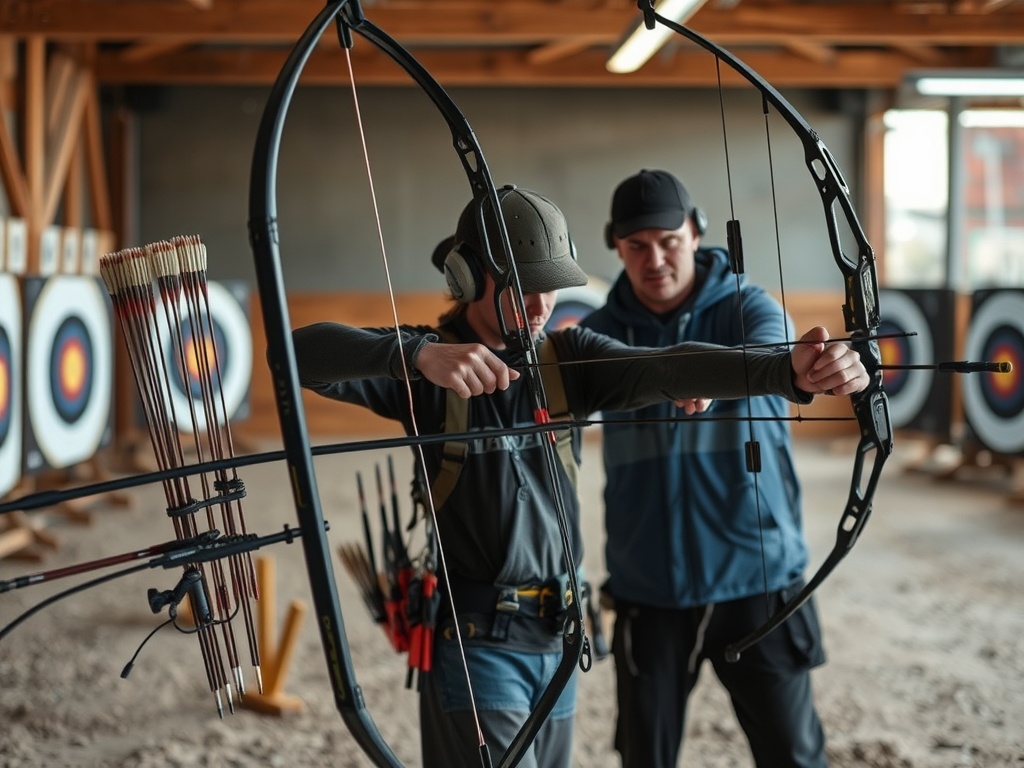
Draw weight should feel controllable for repeated practice. If you can draw the bow once but cannot hold steady, aim, and repeat without shoulder strain, it is too heavy for useful learning. Draw length also matters because it influences arrow selection, anchor position, and consistency.
Arrow spine, length, and point weight should match the bow and archer. This is where a pro shop or certified coach is valuable. Arrows that are poorly matched can group unpredictably and may create safety issues.
Beginners comparing equipment can also read how time limits shape strategy in sports because archery has its own timing, routine, and pressure demands in competition. Gear does not replace a stable shot process.
Budget guidance without false economy
- Prioritize lessons, safe arrows, arm protection, a finger tab or release aid, and a reliable target setup before cosmetic upgrades.
- Rent or borrow club equipment if you are still choosing between recurve, compound, and barebow.
- Upgrade only when the current setup is limiting consistent form, not when a new accessory promises instant accuracy.
- Save money for tuning, replacement strings, arrows, and travel if competition is part of the plan.
When recreational equipment is enough
Recreational archers do not need tournament-level accessories to enjoy the sport. They need safe gear, a controlled shooting environment, and a setup that encourages repeatable technique. A simple recurve or entry-level compound can be the right choice if it fits well and can be maintained.
Competitive archers should think ahead about division rules. A stabilizer, sight, release aid, or arrow type may be legal in one class and restricted in another. Buying with the rulebook in mind prevents expensive rework.
Questions to ask before you buy anything
Before buying a bow, ask where you will shoot, who will coach or tune the equipment, what distances you expect to practice, and whether you want to enter formal events. A backyard target setup, a local club league, and a sanctioned tournament path all point to different priorities.
Ask a shop or coach to measure draw length and watch you draw repeatedly. A bow that feels exciting for three shots may be too heavy for a full practice. Also ask how much replacement arrows, strings, rests, tabs, releases, and maintenance will cost over the first year. The real budget is not just the bow.
If you are unsure, delay the premium purchase. Spending time with rental or club equipment can reveal whether you prefer the feel of recurve, compound, or barebow before money locks you into one path.
Safety and setup details that beginners overlook
A safe archery setup includes more than the bow. You need a suitable target, a safe backstop, clear range rules, arm protection, finger protection or a release aid, and arrows that match the bow. Shooting damaged arrows or using an unsafe backdrop can turn a simple practice session into a serious risk.
Storage matters too. Heat, moisture, and careless transport can affect strings, limbs, arrows, and accessories. Competitive archers should build a small maintenance habit early: inspect arrows, check nocks, watch serving wear, and keep a record of major tuning changes.
A practical first-year archery roadmap
In the first month, focus on safety, stance, anchor, release, and learning range etiquette. In months two through four, settle on a bow style and build consistent short-distance groups. In the middle of the year, add tuning help, arrow matching, and a basic practice log.
By the end of the first year, you should know whether your goals are recreational, club-level, or competitive. That is the right time to consider upgrades because your choices will be based on evidence from your own shooting, not guesswork.
Choose the bow you can practice with well
The right archery setup is the one that lets you shoot safely, repeat clean mechanics, and grow into your goals. Begin with fit, confirm rules, then upgrade slowly as your form and ambitions become clearer.