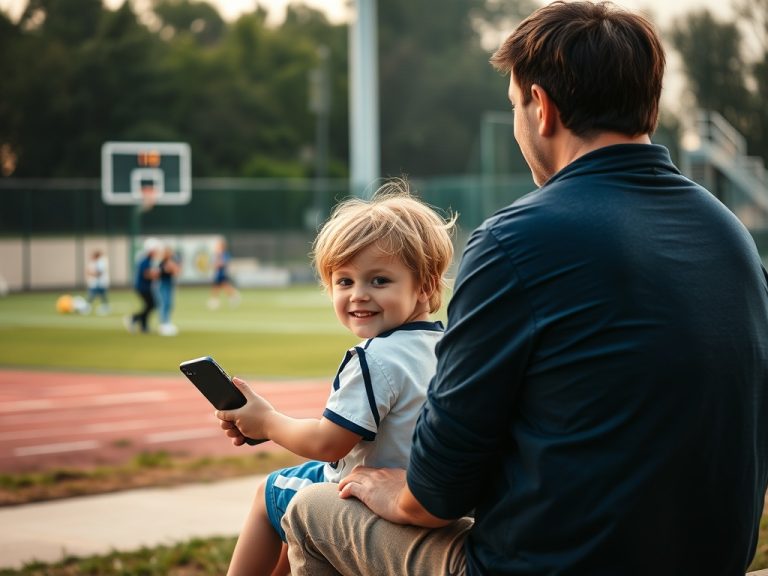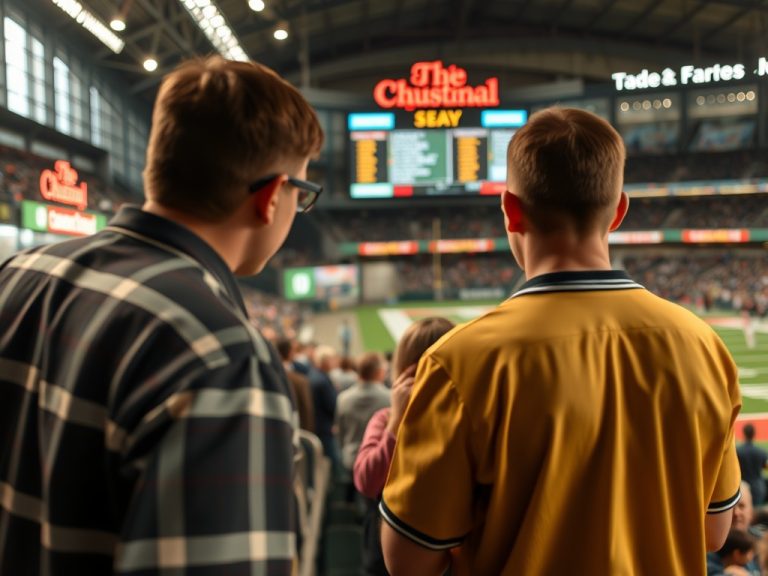
To visit a new stadium, arena, or circuit like a local, plan around arrival, entry rules, seating context, food timing, transportation, and post-event exit before you arrive. The smoother your logistics, the more attention you can give to the event itself.
Reader takeaway: Local-feeling visits come from preparation: know the gate, bag rules, transit options, neighborhood rhythm, and one backup plan.
Start with the venue’s official information
Every venue has its own rules for bags, cashless payments, permitted items, entry gates, and re-entry. A local fan knows this before leaving home. For example, the NFL clear bag policy explains strict bag limits for NFL stadiums, while individual venues may add their own details.
For baseball, the MLB ballpark guides are useful because each stadium has its own layout and fan experience. For motorsports, NASCAR’s race-day guidance recommends arriving early because track access, parking, and walking distances can be very different from a typical arena event.
Do not rely only on old blog posts or social media. Venues change security rules, mobile ticketing procedures, parking routes, and food vendors. Check the official site in the week of the event and again on event day if weather or construction may matter.
A local-style planning checklist
- Download or save tickets before reaching the venue area.
- Confirm bag size, prohibited items, and whether the venue is cashless.
- Choose your gate based on seat section, not just the first entrance you see.
- Plan food and restroom timing around natural breaks in the sport.
- Identify a post-event meeting point away from the densest exit crowd.
- Check transit schedules for the trip home, not only the trip there.
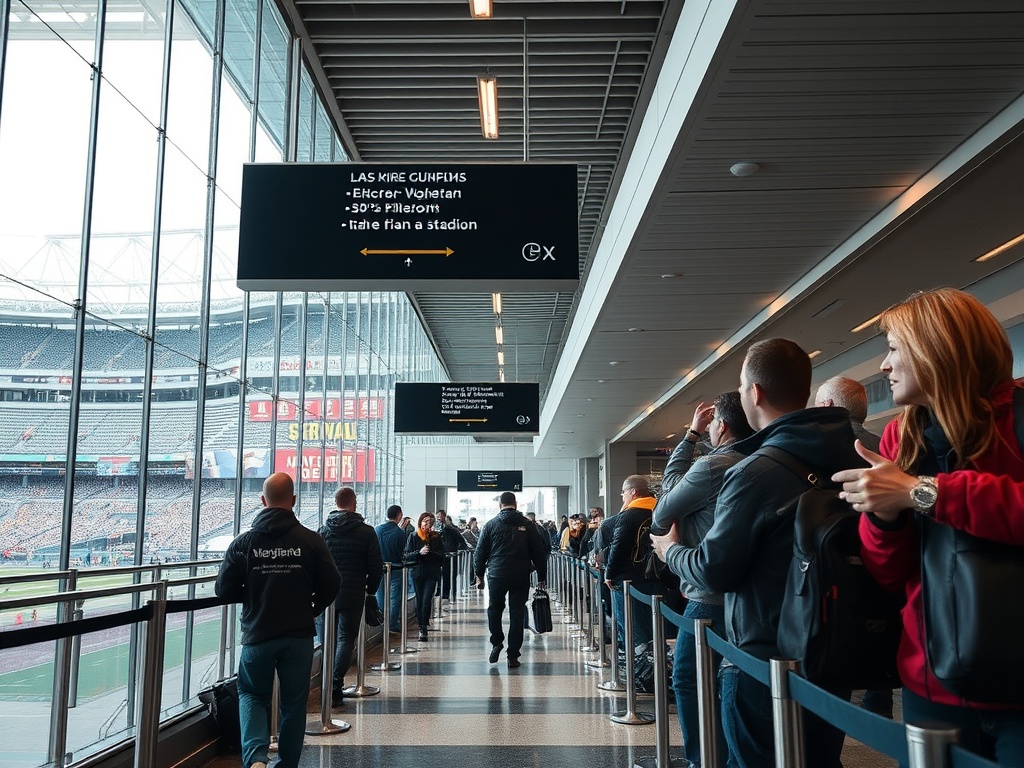
Compare venue types before you go
| Venue type | Plan hardest for | Local habit to copy |
|---|---|---|
| Stadium | Gate, bag policy, weather, long exits | Arrive early and know your section entrance |
| Arena | Security lines, concessions, restroom timing | Move during breaks, not during active play |
| Circuit | Parking, walking distance, sound, sun or rain | Bring permitted weather gear and ear protection |
| Small local venue | Cashless rules, seating, community promotions | Support local vendors and learn theme-night customs |
Blend in by respecting the rhythm of the place
Local fans know when to stand, when to move, and when not to block views. In many sports, leaving your seat during active play is frowned upon. In motorsports, ear protection and weather preparation matter more than they might at an indoor arena. In football or baseball, neighborhood traditions may shape where fans eat before the game.
If the venue is part of a trip, connect the visit with broader sports travel habits. The article on how minor league, semi-pro, and independent teams stay viable explains why local teams often depend on community rituals around affordable entertainment, theme nights, and repeat attendance.
Money-saving moves that do not cheapen the experience
The best value is not always the cheapest seat. A slightly higher seat near shade, transit, or an aisle may make the day more comfortable. For unfamiliar venues, avoid buying before checking sightline notes and official seat maps.
Eat before entering if food prices are a concern, but check whether outside food is allowed. Bring permitted empty bottles or weather gear only when the venue allows them. For circuits and outdoor stadiums, sun, rain, walking distance, and noise can matter as much as the ticket price.
First-time seating choices that change the day
A local fan rarely chooses seats on price alone. Shade, wind, sun angle, railings, overhangs, scoreboard visibility, restroom access, and exit paths can change the experience. At some venues, a higher seat gives better tactical view than a lower seat. At others, proximity is part of the atmosphere.
For outdoor events, check the direction of afternoon sun and whether your section is covered. For circuits, understand that seeing one corner well may be more satisfying than trying to see everything poorly. For arenas, consider whether aisle seats are worth the extra movement around you.
The best seat is the one that matches your goal: atmosphere, analysis, family comfort, budget, or a once-in-a-lifetime view.
How to recover when plans go wrong
Even careful plans can fail. Transit can be delayed, mobile tickets can load slowly, weather can shift, and security lines can grow. Build a fallback: a second parking option, a saved map screenshot, a meeting point outside the venue, and enough arrival margin to stay calm.
If you miss warmups or the opening minutes, do not let it ruin the event. Settle in, learn the rhythm, and adjust your exit plan. Visiting like a local is partly about flexibility: locals know that the event day has its own momentum.
Small details that make a first visit easier
Take a photo of your parking location, note the nearest gate, and identify a landmark outside the venue before the crowd arrives. Keep battery power for mobile tickets and return travel. If attending with children or a group, agree on a meeting point in case anyone gets separated.
Also learn the local exit pattern. Sometimes leaving five minutes early saves an hour, but sometimes staying for postgame atmosphere lets the first wave clear. Locals know which option fits the venue.
How to make the venue part of the trip
A local-style visit includes the surrounding area, not just the seat. Check nearby public spaces, transit stops, weather shelter, family-friendly restaurants, and post-event crowd flow. This helps you avoid the most congested choices and find a rhythm that feels less touristy.
For destination events, leave one flexible block in the schedule. Stadium tours, rain delays, traffic, or a long postgame meal can all be worthwhile, but only if the day is not packed so tightly that every delay becomes stressful.
Leave with enough energy to want to return
A smart stadium visit is not about doing everything. It is about reducing friction. Learn the rules, arrive with margin, respect the local rhythm, and pick one or two experiences that make the venue memorable.