Wearables in sports are useful when the data helps athletes, coaches, or medical staff make clearer decisions about workload, recovery, and performance. They become noise when numbers are collected without context, privacy safeguards, or a specific action attached.
Reader takeaway: Good wearable data answers a question. Bad wearable data creates dashboards that look precise but do not change training, safety, or communication.
What sports wearables can measure
Sports wearables may track heart rate, sleep, acceleration, distance, load, jump counts, impact, temperature, or sport-specific movement. Some are wrist devices, some are chest straps, some sit in clothing, and some attach to equipment.
The NCAA Committee on Competitive Safeguards and Medical Aspects of Sports has described performance technologies as devices that collect biometric or performance data, and its performance technology statement highlights the need for responsible use. That is the right starting point: the technology is not automatically good or bad. The question is how it is used.
For a recreational athlete, a wearable might help with pacing and recovery. For a college or professional program, it may feed a broader monitoring system. For fans, wearable-related data can make broadcasts more informative, but it can also raise questions about athlete privacy.
Data that tends to help
| Metric type | Helpful use | When it becomes noise |
|---|---|---|
| Heart rate | Pacing, intensity, recovery trends | Judging effort without context |
| Sleep or recovery | Spotting stress patterns | Treating one bad night as a crisis |
| GPS or movement load | Managing field-sport workload | Comparing players with different roles |
| Jump or impact counts | Monitoring repetitive stress | Ignoring technique and surfaces |
| Readiness score | Starting a conversation | Replacing athlete feedback or medical judgment |
Where numbers become noise
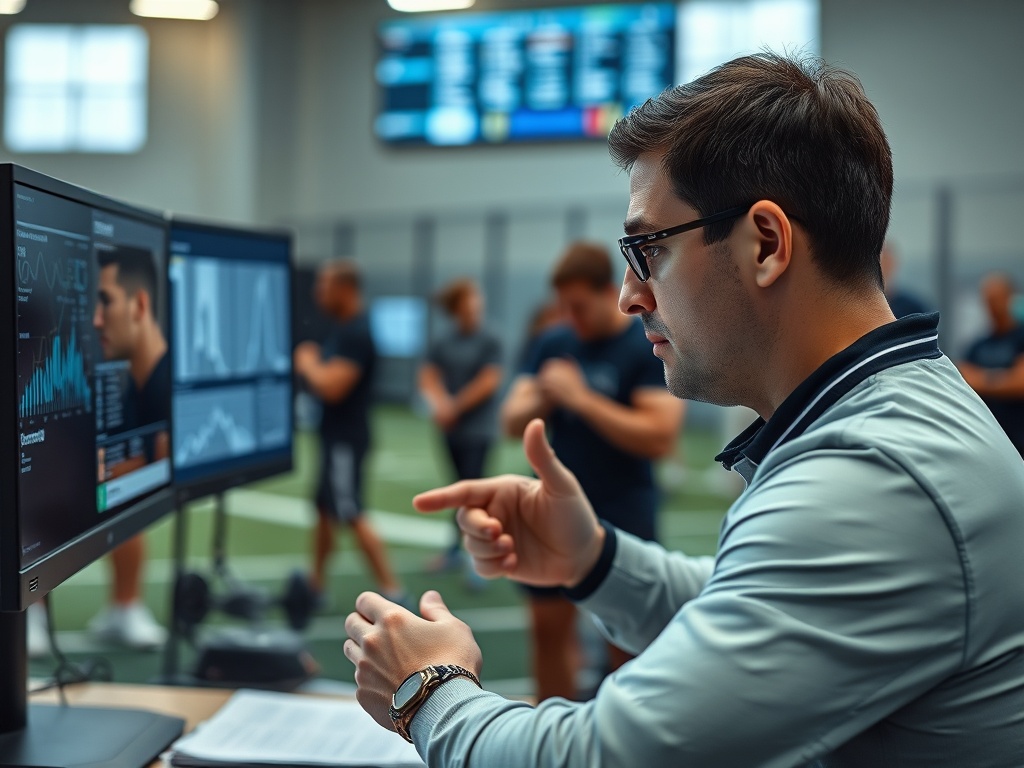
Data becomes noise when it is collected because it is available rather than because it is useful. A coach who tracks ten metrics but changes nothing may only create anxiety. An athlete who checks sleep, strain, and readiness obsessively may lose trust in how they feel.
A BMJ Open Sport and Exercise Medicine perspective on athlete monitoring argues for more context-driven monitoring rather than simplistic labels. That matters because injury risk, recovery, and readiness are complex. A single red or green score can oversimplify a human body.
Wearables also overlap with sports business. Smaller organizations weighing technology investments can connect this issue with how minor league, semi-pro, and independent teams stay viable. A tool must justify its cost, staff time, and data responsibilities.
Questions every team should ask before buying
- What decision will this data improve?
- Who can see the data, and for how long?
- Can athletes access and understand their own information?
- What happens if the data conflicts with athlete feedback or medical judgment?
- Will coaches be trained to interpret the numbers responsibly?
- Can the program afford the staff time required to use the system well?
Privacy and trust are performance issues too
Biometric and performance data can affect selection, contracts, scholarships, or playing time if handled carelessly. Even when intentions are good, athletes may feel monitored rather than supported. Written policies, consent, education, and role boundaries are essential.
A useful rule is to separate wellness support from punishment. If an athlete reports poor sleep or high fatigue, the first response should be conversation and care, not automatic blame. Technology should improve communication, not replace it.
A simple decision rule for athletes and coaches
Before using a metric, write the decision it will support. For example: “If training load rises while sleep falls for three days, we will reduce high-intensity volume and talk with the athlete.” That is actionable. “We will monitor readiness” is too vague.
This rule prevents data hoarding. It also helps athletes understand that the goal is support, not surveillance. When the next action is clear, a number can guide conversation. When the action is unclear, the number may only create worry.
Teams should review metrics periodically and retire the ones that do not improve decisions. A smaller, trusted dashboard is often better than a large one nobody can interpret.
What recreational athletes should ignore
Recreational athletes often benefit from simple trends: sleep consistency, easy-day heart rate, training volume, and perceived effort. They usually do not need to chase every recovery score, stress estimate, or proprietary readiness label.
A wearable should make training calmer and clearer. If it makes you anxious, interrupts rest, or pushes you to ignore common sense, simplify the setup. Keep the metrics that help you train, recover, and enjoy the sport. Mute the rest.
How to keep humans above the dashboard
A wearable can flag a concern, but it cannot know the full story. Travel stress, exams, family issues, illness, menstrual cycle, nutrition, surface changes, equipment changes, and emotional load can all affect the numbers.
The best programs combine data with conversation. Ask what the athlete feels, what changed, and what support would help. Then use the data as one input, not the final authority.
A clean wearable policy in plain language
A responsible policy should say what is collected, why it is collected, who can access it, how long it is stored, how athletes can ask questions, and which decisions the data can or cannot influence. Plain language matters because consent is weak when athletes do not understand the system.
The policy should also explain what happens when an athlete chooses not to share certain data, where applicable. Trust grows when boundaries are clear before a sensitive number appears on a dashboard.
Use the metric only when it changes the next action
The best wearable programs are boring in the right way: they ask clear questions, collect only relevant data, protect athletes, and make better day-to-day decisions. If a number does not change training, recovery, safety, or learning, it may belong in the noise pile.