Laser Dentistry: Which Procedures It Actually Improves
Laser dentistry can improve some procedures, but it is not a blanket upgrade for every dental problem. The biggest benefits tend to show up in selected soft-tissue procedures and as an adjunct in certain treatments, while the value is less clear when the marketing makes lasers sound like a universal replacement for drills, scalpels, or standard periodontal and endodontic techniques.
TL;DR: Laser dentistry is best understood as a tool, not a treatment category by itself. It may improve precision, tissue management, or patient comfort in some situations, but whether it changes your outcome depends on the procedure, the wavelength being used, and the dentist’s experience.
What “laser dentistry” means in plain language
A dental laser uses focused light energy to interact with soft tissue, hard tissue, or both, depending on the laser type. Different wavelengths are suited to different jobs. That is why “We use lasers” sounds impressive but does not answer the real question: For what, exactly?
Recent reviews in the dental literature, including this 2026 review in PubMed and this 2024 open-access review, describe lasers as useful across many parts of dentistry while also stressing that evidence and benefit vary by indication.
Where lasers tend to make the most practical difference
Soft-tissue contouring and minor surgery
Lasers are commonly used for procedures such as gingivectomy, gingivoplasty, exposure of partially erupted teeth, frenectomy, and removal of some soft-tissue lesions. In these cases, clinicians often value the precision, visibility, and tissue management they can provide.
Some periodontal applications
Lasers may be used as part of non-surgical periodontal care or soft-tissue management around periodontal treatment. But “used in periodontics” is not the same thing as “proven to replace conventional therapy in all cases.” This is one area where the specifics of the protocol matter a lot.
Adjunctive use in endodontics
Some lasers are used to assist disinfection or irrigation protocols inside root canal treatment. Again, that is usually an adjunct role, not a reason by itself to choose one office over another.
Selected comfort-driven uses
Some practices use lasers for aphthous ulcers, soft-tissue irritation, or hypersensitivity-related applications. The patient experience may feel easier in some cases, but the supporting evidence depends on the exact use.
Where the claims often get ahead of the evidence
Marketing around laser dentistry can sound broad: less pain, no drill, no needles, faster healing, better outcomes. Sometimes those benefits are reasonable for a specific use. Sometimes they are overgeneralized.
Patients should be cautious when a practice implies that a laser automatically:
- replaces the need for anesthesia in most work
- makes all fillings drill-free
- guarantees less pain
- improves every periodontal case
- removes the need for conventional surgical skill
- changes candidacy rules by itself
That does not mean the technology lacks value. It means the value is procedure-specific.
A more honest way to judge laser procedures
Ask three questions:
- What exact procedure are you using the laser for?
- What does the laser change compared with the standard approach?
- Does it change the likely outcome, the recovery experience, or mainly the technique used during treatment?
Those questions quickly separate meaningful use from vague buzzwords.
Procedures where patients may notice the difference most
For many patients, the most noticeable advantages show up in soft-tissue procedures. The operative field may be cleaner, the treatment may feel more precise, and the visit may involve less of the traditional cutting experience they expected.
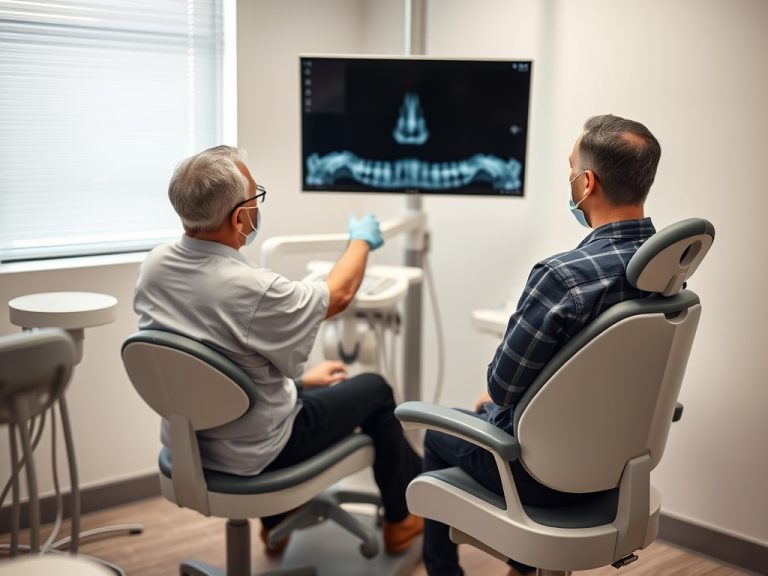
By contrast, if you are getting a diagnosis, a crown, an implant, or comprehensive periodontal treatment, the presence of a laser may matter far less than:
- the accuracy of the diagnosis
- the quality of planning
- how well the tooth or gums are restored
- whether the office explains care clearly
- how problems are followed up later
That is why technology should be judged in context, not as a shortcut to better dentistry.
Comparing Options for Laser Dentistry Which Procedures Actually Improves
In many offices, laser use stays in the category of routine technique choice. The dentist is using a different instrument to complete a specific step, but the overall treatment plan is mostly the same.
It becomes more relevant to planning when:
- a soft-tissue procedure is central to the case
- the office is choosing between multiple ways to access or shape tissue
- the patient has strong preferences around comfort, sound, or the feel of treatment
- the clinician is using the laser as an adjunct in a specialty-specific protocol
Even then, the laser usually supports the plan. It does not replace the need for good case selection.
What beginners should focus on instead of the gadget
If you are comparing dentists, it is easy to get pulled toward technology lists. A better filter is whether the office can explain when the tool matters and when it does not.
For example, a patient considering implants should care at least as much about diagnostics and follow-up as about the presence of a laser. Our article on traveling for dental implants and the follow-up realities is a good reminder that planning and maintenance often matter more than the technology headline.
If anxiety is the main reason laser dentistry sounds appealing, it may be smarter to also screen for communication style and comfort planning. The same is true if you are looking for a practice that explains tools calmly rather than using them as pressure points. Start with how to choose a dentist if you have dental anxiety if that is part of your decision.
Routine appointment versus a visit that should not wait
Curiosity about laser options is usually a routine consultation topic. Urgent symptoms are different. If you have swelling, severe pain, trauma, or rapidly worsening dental symptoms, get the problem assessed first. The immediate question is source control, not whether a laser might be part of the final workflow.
Questions About Laser Dentistry Which Procedures Actually Improves
For Laser Dentistry Which Procedures Actually Improves, this part of Questions About Laser Dentistry Which Procedures Actually Improves focuses on the symptom history, previous treatment, current medicines, and the result the patient values most while risks and alternatives are compared, with the same details verified while the options are being narrowed.
The clearest way to think about laser dentistry
Laser dentistry is neither hype nor magic. It is a real set of tools with useful applications, especially in selected soft-tissue and adjunctive procedures. But the procedure, the diagnosis, and the operator matter more than the word “laser” on a website banner.
A practical next step: If an office promotes laser dentistry, ask them to name the exact procedures they use it for and what it meaningfully changes for those procedures. Specific answers are a much better sign than broad promises.
Clinical Checks for Laser Dentistry Which Procedures Actually Improves
For Laser Dentistry Which Procedures Actually Improves, this part of Clinical Checks for Laser Dentistry Which Procedures Actually Improves focuses on confirmed findings, measurements, imaging, and health-history factors when home-care instructions are prepared, with the same details verified while the options are being narrowed.