How to Choose a Dentist If You Have Dental Anxiety
If you have dental anxiety, choosing the right dentist is less about finding the “best” office in general and more about finding a team whose communication style, pacing, and treatment planning reduce the chance that you will avoid care. A technically skilled office is not automatically a good fit if the experience leaves you too overwhelmed to come back.
Checklist summary: Look for a dentist who asks about your triggers before treatment, explains options without pressure, offers clear pause signals, and can stage care in manageable steps. The goal is not luxury. It is predictability, trust, and follow-through.
What to prepare before you book
Before you call, write down four things:
- What you fear most
Pain, bad news, needles, gagging, sounds, loss of control, shame about how long it has been, or something else.
- What has gone badly before
Rushed treatment, feeling dismissed, surprise procedures, strong smells, or not getting numb enough.
- What usually helps
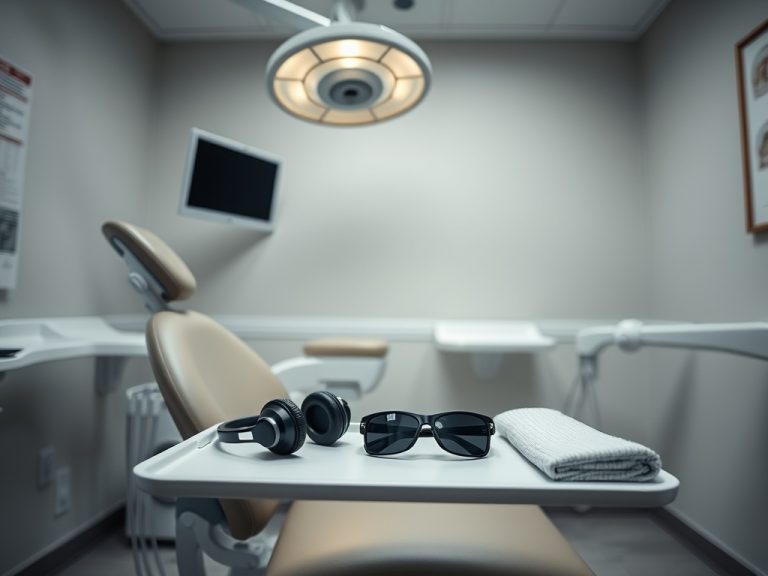
Step-by-step explanation, shorter visits, breaks, headphones, topical anesthetic, nitrous oxide, or having a support person.
- What symptoms you already have
Bleeding gums, broken teeth, swelling, sensitivity, or pain.
That list helps you ask better questions and also helps the office decide whether they are actually a match for your needs.
The screening questions worth asking on the first call
A front desk conversation can tell you a lot. Try questions like:
- Do you routinely see anxious patients?
- How does the dentist usually handle people who need more explanation or breaks?
- Can I book a consultation before treatment?
- Do you offer shorter first appointments?
- What comfort options are available?
- How do you handle someone who gets overwhelmed during treatment?
- If I need time to think about a plan, is that okay?
Listen as much to tone as to the words. An office that sounds annoyed by these questions is giving you useful information.
The ADA’s MouthHealthy guidance on dental anxiety encourages patients to speak up, ask questions, and agree on a signal for breaks. A good dentist should make those basics easy, not awkward.
A practical comparison checklist
| What to look for | Good sign | Caution sign |
|---|---|---|
| Communication | Explains before doing, invites questions | Talks over you or downplays fear |
| Treatment pace | Willing to break care into steps | Pushes same-day treatment without discussion |
| Pain planning | Discusses anesthesia and comfort openly | Vague answers about discomfort |
| Office response to fear | Matter-of-fact and respectful | Embarrassing, dismissive, or salesy |
| Follow-up style | Clear written next steps | Confusing plan and no check-in process |
Decision points during the first consultation
Once you are in the office, pay attention to whether the dentist:
- asks what makes dental care hard for you
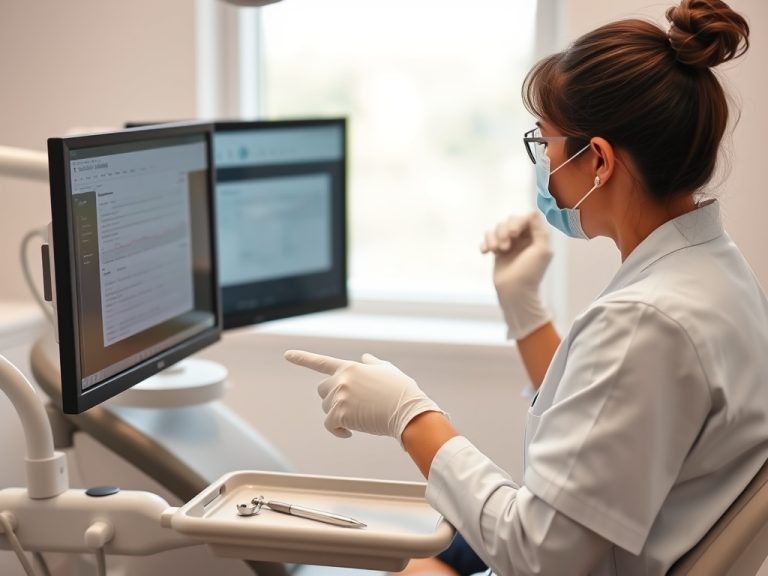
- reviews findings in plain language
- distinguishes urgent issues from things that can wait
- offers options instead of one pressure-filled path
- tells you what today’s goal is before starting
- checks that you are comfortable with the plan
This is especially important if the visit uncovers more than one issue. A dentist may recommend a sequence that stabilizes pain or infection first, then handles less urgent problems later. That approach often works better for anxious patients than trying to fix everything at once.

Red flags that should make you pause
Consider slowing down or getting a second opinion if you notice:
- pressure to start treatment before you understand the plan
- vague explanations that rely on fear
- no discussion of what happens if you need a break
- discomfort when you mention anxiety
- staff acting irritated by questions
- a treatment plan that feels oversized without a clear reason
- no distinction between urgent problems and elective improvements
A good fit does not mean the dentist will tell you only what you want to hear. It means they can explain what actually needs care without making you feel trapped.
What if your anxiety is tied to sensory overload?
Some people describe their problem as anxiety when the deeper issue is sound, light, texture, or too much stimulation at once. If that sounds like you, ask about quieter scheduling, dimmer lighting, headphones, and stepwise treatment. Our article on sensory-friendly dental visits can help you identify what to request.
How treatment sequencing affects trust
For anxious patients, sequencing matters almost as much as bedside manner. A good plan often starts with the issue that most affects comfort or risk, then builds momentum.
For example:
- pain or swelling first
- active gum disease next
- broken teeth or high-risk decay after that
- cosmetic or optional work later
That kind of sequencing makes care feel manageable. It also reduces the chance that you agree to a large plan and then disappear because the first step felt too intense.
If routine preventive care is part of rebuilding trust, it may help to understand the difference between a prophy cleaning and periodontal maintenance so you know what type of follow-up you are actually being scheduled for.
Planning Notes for Choose Dentist If Have Dental Anxiety
If your main issue is fear of checkups, a consultation-first appointment is often a smart starting point.
Do not delay on anxiety alone if you already have swelling, severe pain, a broken tooth with sharp edges, fever, or rapidly worsening symptoms. In that case, tell the office both things at once: that you have an urgent problem and that you are highly anxious. That gives them the best chance to triage safely and supportively.
Questions About Choose Dentist If Have Dental Anxiety
Before leaving the discussion of How to Choose a Dentist If You Have Dental Anxiety, confirm the first step, expected follow-up, and warning signs that justify earlier contact after the examination is explained. A consultation about How to Choose a Dentist If You Have Dental Anxiety is more useful when you bring a brief timeline, current medicines, relevant health conditions, and details of earlier dental work.
Clinical Checks for Choose Dentist If Have Dental Anxiety
For Choose Dentist If Have Dental Anxiety, this part of Clinical Checks for Choose Dentist If Have Dental Anxiety focuses on confirmed findings, measurements, imaging, and health-history factors as the long-term result is reviewed, with the same details verified while the options are being narrowed. The clinician should also explain what remains uncertain and whether another test or specialist opinion would alter the plan for Choose Dentist If Have Dental Anxiety before temporary care is replaced, using the examination and health history rather than a general assumption.
You do not need a perfect office. You need a workable one.
Many anxious patients keep searching for a mythical dentist who will make all fear disappear. A better goal is finding a team that listens, explains, and helps you keep showing up.
A practical next step: Call two or three offices and use the same screening questions with each one. The best fit usually becomes obvious from how calmly and specifically they answer, long before you ever sit in the chair.
Questions About Choose Dentist If Have Dental Anxiety During Planning
For Choose Dentist If Have Dental Anxiety, this part of Questions About Choose Dentist If Have Dental Anxiety During Planning focuses on the symptom history, previous treatment, current medicines, and the result the patient values most before the next appointment is booked, with the same details verified while the options are being narrowed. The clinician should also explain which examination finding supports each recommendation and what information could change it for Choose Dentist If Have Dental Anxiety while the options are being narrowed, using the examination and health history rather than a general assumption.