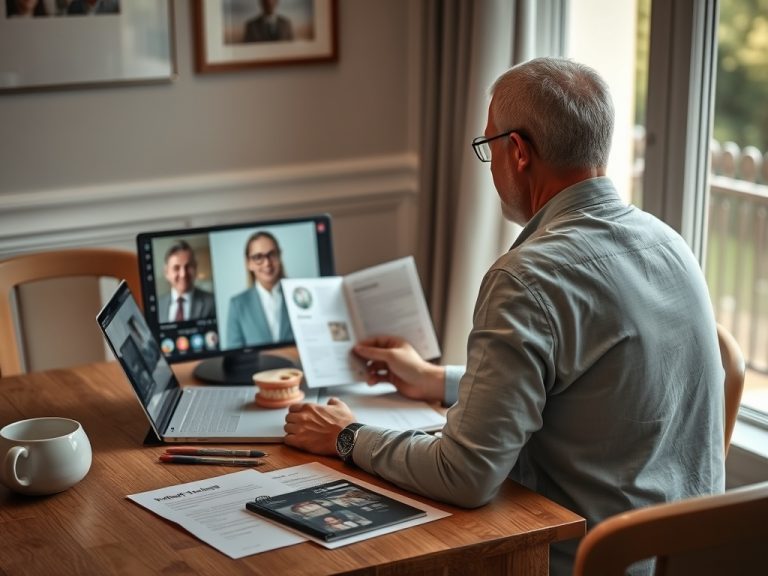
Sensory-Friendly Dental Visits for Patients Who Get Overwhelmed Easily
A sensory-friendly dental visit is not a trendy extra. It is a practical way to reduce overload so a patient can tolerate care more predictably. For people who become overwhelmed by sound, light, taste, touch, pacing, or uncertainty, small changes in the environment and workflow can make routine dental care much more manageable.
Key takeaway: Sensory-friendly care usually works best when it is planned before the appointment. The goal is not to remove every trigger. It is to lower the sensory load enough that communication, trust, and treatment can still happen.
What “sensory-friendly” usually means in dental care
A sensory-friendly visit may include changes such as:
- a quieter appointment time
- dimmer lighting or sunglasses
- slower introductions to tools and sensations
- reduced background music or suction noise when possible
- breaks built into the visit
- shorter appointments
- weighted items, fidgets, or comfort supports
- fewer strong flavors or textures
- visual schedules or step-by-step previews
The AAPD behavior guidance best practice specifically includes sensory-adapted dental environments among the options that may help anxious patients and people with special health care needs. Many of the same principles can help teens and adults too, even when the person does not identify with a formal diagnosis.
Common overload points patients forget to mention
Patients often tell the office “I have anxiety,” which is useful but incomplete. Sensory overwhelm is often tied to very specific triggers, such as:
- the pitch of suction or polishing tools
- bright overhead light
- water pooling in the mouth
- mint flavor or gritty paste
- gloves on the lips
- lying fully flat
- strong smells
- too much talking while instruments are in the mouth
- not knowing what comes next
The more specific you can be, the easier it is for the team to make the visit workable.
What helps before the appointment
The best results usually start before you arrive. Try sending the office a short note with three categories:
1. My triggers
For example: bright light, sudden touch, loud suction, strong flavors.
2. What helps
For example: sunglasses, one-step-at-a-time explanations, headphones, hand signal for breaks, sitting more upright.
3. What does not help
For example: surprise changes, being told to “just relax,” long lectures in the chair.
If dental visits have been especially hard, it may also help to use the screening questions in our guide on how to choose a dentist if you have dental anxiety before you even book.
Appointment habits that improve consistency
Sensory-friendly care is usually less about one magic tool and more about repeatable habits:
- book at a lower-stimulation time of day
- ask for the same room or same clinician when possible
- keep the first goal modest if you are re-starting care
- use the same stop signal every visit
- bring the same comfort items every time
- debrief afterward so the plan can improve
These routines matter because predictability itself reduces load.
Where patients usually slip
Waiting too long to disclose needs
Offices can do more when they know in advance. If you mention major triggers only after you are in the chair, the team has fewer options to adapt.

Scheduling too much at once
If cleanings already push you to the edge, a packed visit with exam, X-rays, cleaning, and treatment planning may be too much. Breaking care into steps can be more efficient in the long run.
Assuming every office defines “sensory-friendly” the same way
Ask what they actually do. Some offices mean “we are kind.” Others have concrete workflows, quieter scheduling, and clinicians experienced in pacing care.
Skipping follow-up after a difficult visit
A rough visit is often the moment to refine the plan, not disappear for another few years.
What sensory-friendly logistics can look like in real life
Useful questions to ask when booking include:
- Can I have a quieter time of day?
- Can the room lights be lowered or can I wear sunglasses?
- Can we agree on a stop signal?
- Can you explain one step at a time before each sensation?
- Can the first visit be shorter?
- Can I use headphones or bring a support person?
- If I get overwhelmed, what is your plan to pause and regroup?
Those questions tell you quickly whether the office is flexible in practice, not only in theory.
Routine care, deeper treatment, and when more support may be needed
Many patients can complete exams and cleanings with sensory adjustments alone. Some need more structured behavior support, nitrous oxide, or segmented treatment when procedures become longer or more invasive.
That is not a failure. It simply means the sensory demands of the task exceeded what environmental changes alone could solve. For children, parents may also want the step-by-step framework in how to prepare an anxious child for a dental appointment.
Questions About Sensory-Friendly Dental Visits Patients Who Get Overwhelmed Easily
For routine care, it often makes sense to plan carefully, start small, and build tolerance over time.
For urgent symptoms such as swelling, severe pain, trauma, or a broken tooth, the ideal sensory setup may not be fully possible. Even then, telling the office what tends to trigger you is still useful.
Long-term quality control: how to tell if the plan is working
A sensory-friendly dental strategy is working if you notice patterns like:
- fewer cancelled appointments
- less shutdown or panic before visits
- better tolerance for routine steps
- more accurate communication in the chair
- easier recovery after the appointment
- less avoidance between visits
If none of that is improving, the plan may need to change. Sometimes the trigger list is incomplete. Sometimes the office is not the right fit.
Questions About Sensory-Friendly Dental Visits Patients Who Get Overwhelmed Easily During Planning
When Sensory-Friendly Dental Visits for Patients Who Get Overwhelmed Easily is reviewed, ask the dentist to connect each recommendation to the examination findings and compare reasonable alternatives. Before leaving the discussion of Sensory-Friendly Dental Visits for Patients Who Get Overwhelmed Easily, confirm the first step, expected follow-up, and warning signs that justify earlier contact while the options are being narrowed.
The goal is workable care, not perfect comfort
No dental visit is sensation-free. But a good sensory-friendly approach can turn “I cannot do this at all” into “I can do this in smaller, more predictable steps.”
A useful next step: Before your next appointment, send the office three bullet points: your top triggers, your top calming supports, and the stop signal you want to use. Clear preparation usually helps more than trying to explain everything once you are already overloaded.
Home Care and Follow-Up for Sensory-Friendly Dental Visits for Patients Who Get Overwhelmed Easily
For Sensory-Friendly Dental Visits Patients Who Get Overwhelmed Easily, this part of Home Care and Follow-Up for Sensory-Friendly Dental Visits for Patients focuses on the symptom history, previous treatment, current medicines, and the result the patient values most when the diagnosis is confirmed, with the same details verified while the options are being narrowed. The clinician should also explain which examination finding supports each recommendation and what information could change it for Sensory-Friendly Dental Visits Patients Who Get Overwhelmed Easily before the final recommendation is accepted, using the examination and health history rather than a general assumption.