How to Prepare an Anxious Child for a Dental Appointment
The best way to prepare an anxious child for a dental appointment is to make the visit feel predictable, low-pressure, and manageable before your child ever sits in the chair. That usually means simple language, a short runway of preparation, and a dental team that knows your child may need a slower pace.
TL;DR for parents: Do not wait until the car ride to start talking about the visit, but do not build it up for weeks either.
Start with timing that matches your child
Many parents accidentally make anxiety bigger by preparing either too late or too early.
A good middle ground is to mention the appointment a few days in advance for most school-age children, then give one or two reminders without turning it into the main household topic. Younger children or children who become fixated may do better with a shorter lead time.
The goal is simple: enough warning to reduce surprise, but not so much that your child has days to imagine the worst.
Use plain, neutral words
Children notice tone fast. If you sound apologetic, worried, or overly cheerful, they may assume something bad is coming.
Try phrases like:
- “The dentist is going to count and clean your teeth.”
- “They may use a tiny mirror and a little toothbrush that spins.”
- “If something feels weird, you can raise your hand and take a break.”
Try to avoid:
- “It won’t hurt, I promise.”
- “Be brave.”
- “Don’t cry.”
- “If you cooperate, you’ll get a prize.”
Those lines can accidentally suggest that pain, fear, or conflict should be expected.
The AAPD behavior guidance best practice emphasizes individualized behavior guidance, communication, and techniques such as positive pre-visit imagery, tell-show-do, distraction, and desensitization. In other words, preparation works best when it is calm and specific, not dramatic.
Practice the visit at home
Role-play can make the appointment feel familiar. Keep it short and low-stakes.
You can:
- Sit your child back on a couch or pillow.
- Count teeth with a clean toothbrush or finger puppet.
- Practice opening wide for five seconds.
- Let your child hold a small mirror and look at their own teeth.
- Rehearse the hand signal they can use if they need a pause.
If your child likes visuals, make a tiny sequence card: car, waiting room, chair, teeth counted, all done. The point is not to rehearse perfection. It is to reduce uncertainty.
Tell the office what your child needs before the visit
This step matters more than many parents realize. Call ahead and share details such as:
- first appointment versus past bad experience
- fear of noise, tastes, lights, or lying back
- strong gag reflex
- separation difficulty
- autism, ADHD, sensory differences, or communication preferences
- what usually helps at medical appointments
That gives the team time to adjust pacing, book a quieter slot, simplify the first visit, or plan a more sensory-friendly approach. If your child gets overwhelmed easily, you may also want ideas from our guide to sensory-friendly dental visits.
What to bring
Not every comfort item helps, but a few can make a real difference:
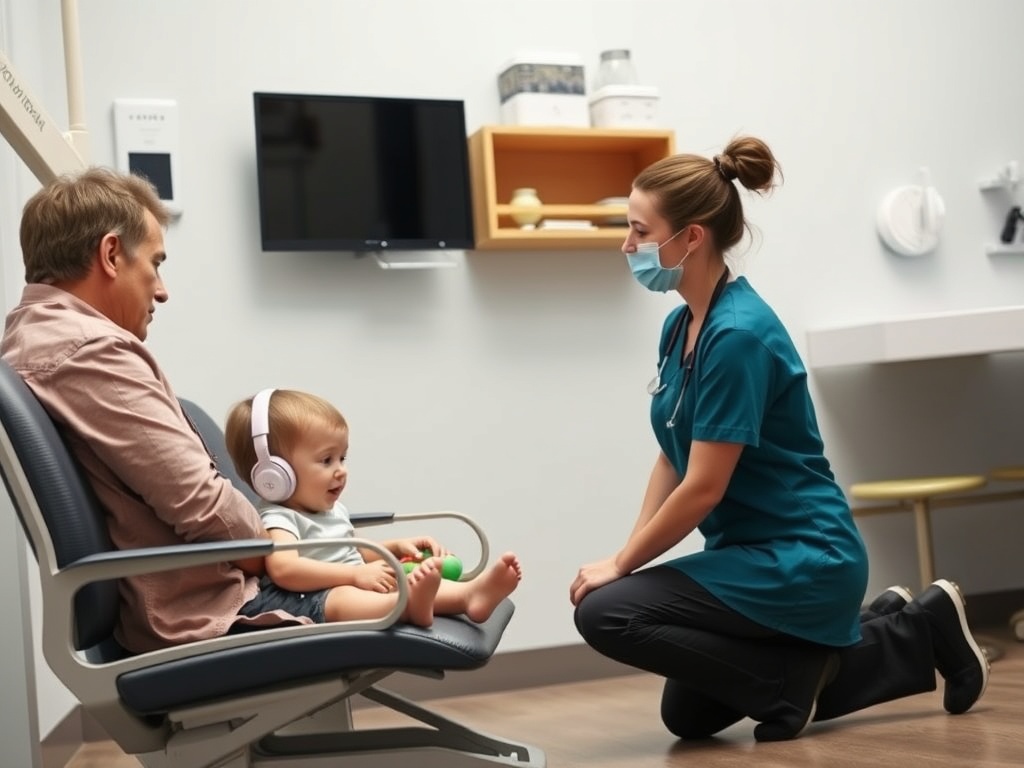
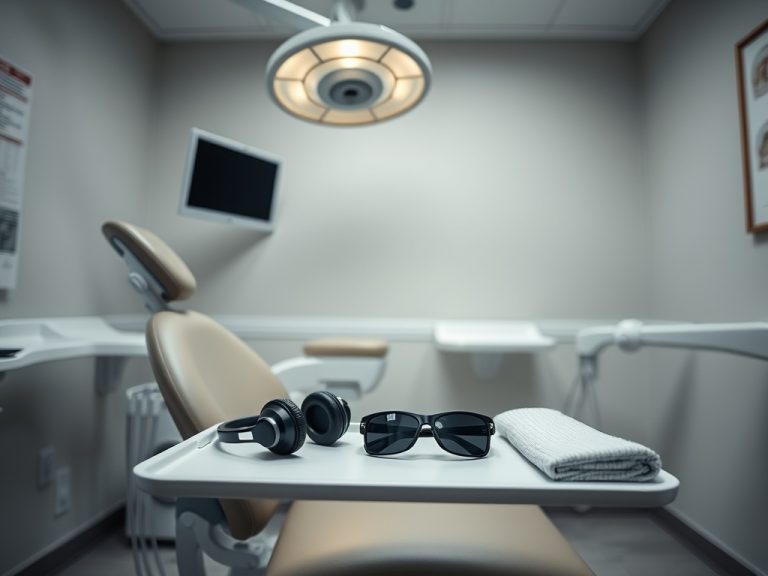
- headphones for music or white noise
- a favorite small fidget or stuffed toy
- sunglasses or a cap if overhead light is a trigger
- water and a light snack for afterward if allowed
- a short list of triggers and calming strategies for the staff
If your child uses visual schedules, social stories, or communication cards, bring them. Familiar tools often work better than whatever the office can improvise on the spot.
Common mistakes that can backfire
Bribing too heavily
A small reward after the visit can be fine. Turning the whole experience into a high-stakes prize negotiation can increase pressure and make the appointment feel like an ordeal.
Over-explaining treatment
If your child only needs an exam and cleaning, you do not need to explain fillings, needles, or every instrument in the office. Give the amount of detail that matches the actual visit.
Transferring your own dental fear
Children are skilled at reading adults. If you hate the dentist, try not to narrate your own past experiences. Calm neutrality helps more than forced positivity.
Using shame
Statements like “You’re too old for this” or “Your little sister does better” can make the child feel cornered and less cooperative.
Surprising the child with a bigger visit than expected
If you told your child it was “just a quick check,” but the plan changes, ask the team whether it makes more sense to keep the first visit limited and build trust rather than push through a longer procedure.
What the dental team may do to help
A child-friendly dental office may use:
- tell-show-do explanations
- shorter first visits
- choice-making, such as picking toothpaste flavor
- breaks and stop signals
- distraction with videos or music
- nitrous oxide when appropriate
- sensory modifications for children who need them
The AAPD guideline on nonpharmacological behavior guidance notes that techniques such as modeling, audiovisual distraction, breathing relaxation, and sensory-adapted environments can reduce anxiety for many pediatric patients.
Planning Notes for Prepare Anxious Child Dental Appointment
Home preparation is often enough when your child is nervous but can still participate with coaching. You may need more structured support when your child:
- cannot tolerate toothbrushing or mouth checks at home
- has panic-level distress before appointments
- becomes aggressive or bolts when overwhelmed
- has trauma history or major sensory triggers
- needs urgent treatment despite poor coping
In those situations, the right dental team can decide whether to slow the process down, split visits, use behavior guidance tools, or discuss sedation options if appropriate.
Questions About Prepare Anxious Child Dental Appointment
When How to Prepare an Anxious Child for a Dental Appointment is reviewed, ask the dentist to connect each recommendation to the examination findings and compare reasonable alternatives.
If your child has swelling, fever, facial pain, trouble sleeping from tooth pain, or trauma to a tooth, do not delay care just because they are anxious. The office can help triage whether it is urgent and what comfort supports may be needed.
A calmer path into the chair
The goal is not to make your child love the dentist overnight. It is to help them feel safe enough to complete one manageable step at a time.
A helpful next step: Before the appointment, call the office and say, “My child is anxious. Here are the triggers, here is what helps, and I would like the first visit paced slowly.” That one conversation often does more than any pep talk in the car.
Questions About Prepare Anxious Child Dental Appointment During Planning
For Prepare Anxious Child Dental Appointment, this part of Questions About Prepare Anxious Child Dental Appointment During Planning focuses on the symptom history, previous treatment, current medicines, and the result the patient values most before treatment is scheduled, with the same details verified while the options are being narrowed. The clinician should also explain which examination finding supports each recommendation and what information could change it for Prepare Anxious Child Dental Appointment when a second opinion is considered, using the examination and health history rather than a general assumption.