
Exterior paint lasts longer when the substrate is clean, dry, sound, and compatible with the coating system before the first finish coat is applied. Most premature failures begin with moisture, contamination, poor adhesion, or rushed surface preparation.
TL;DR: Key takeaways for quick planning.
- Prep is not cosmetic; it determines how well coatings bond and how moisture moves through the assembly.
- Different substrates require different cleaning, repair, priming, and drying steps.
- Older buildings may require lead-safe practices before disturbing existing coatings.
- The best painting scope includes inspection, repair, mockups when needed, and weather controls.
Why exterior painting prep that extends substrate life deserves a sharper lens
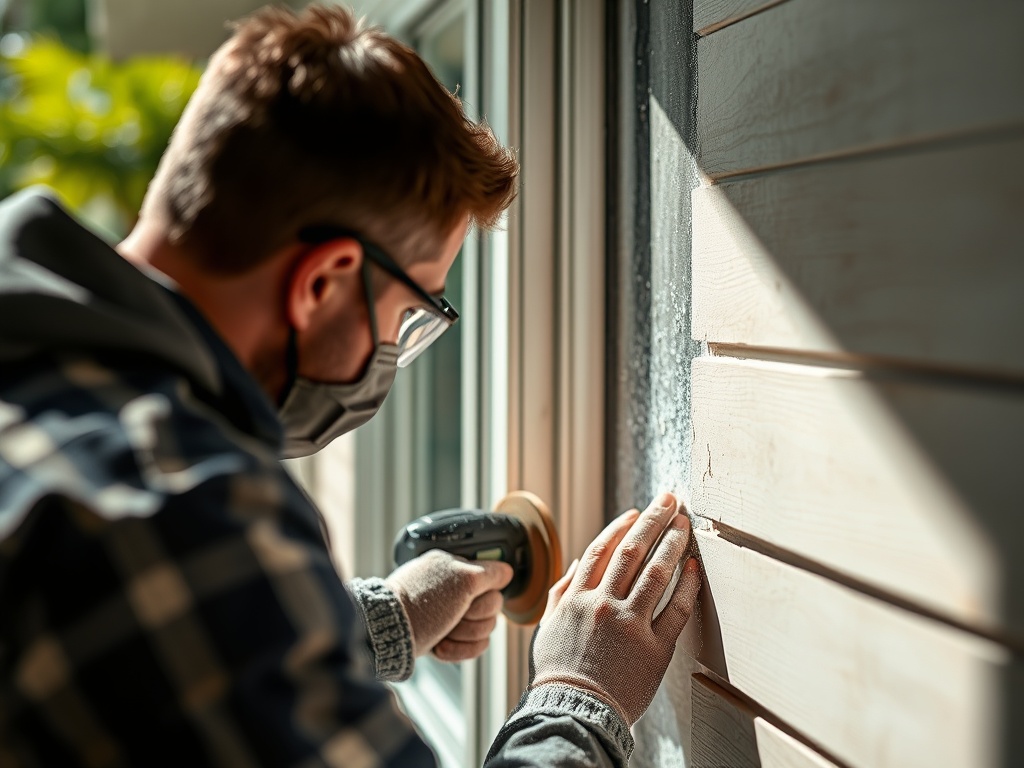
Exterior painting is often judged by color and finish, but performance begins below the topcoat. Wood, masonry, stucco, metal, fiber cement, concrete, and previously coated surfaces all have different preparation needs. A surface that looks acceptable from the ground may contain chalking, peeling edges, mildew, salts, rust, failed sealant, trapped moisture, or hairline movement that undermines adhesion. If those issues are hidden under a new coating, the paint may look fresh for a short period and then fail in familiar patterns.
For a useful outside reference, review the National Park Service guide to exterior paint problems, then compare it with project-specific drawings, owner standards, and local requirements. This article is educational and should not replace professional engineering, code, safety, legal, or project-management advice.
Practical evaluation criteria for substrate-first exterior painting preparation for longer coating life
A better scope starts with substrate diagnosis. Moisture sources should be corrected before repainting. Loose coatings should be removed using methods appropriate for the material and regulatory setting. Repairs should be allowed to cure. Primers should be matched to the substrate and coating system. The National Park Service preservation guidance on exterior paint problems is useful because it focuses on diagnosing failure patterns instead of simply repainting over them. For pre-1978 housing and child-occupied facilities, EPA renovation, repair, and painting requirements may also apply when lead-based paint could be disturbed.
This topic also connects with work order triage rules for urgent, routine, and planned work because adjacent decisions often affect the same budget, schedule, or maintenance team.
Prep priorities by exterior surface type
| Area to compare | Where it matters | Why it helps | Watch point |
|---|---|---|---|
| Wood siding and trim | Moisture content, decay, open joints, peeling edges | Repair rot, sand failed edges, spot prime bare areas, seal joints appropriately | |
| Masonry and stucco | Efflorescence, cracks, alkalinity, trapped moisture | Correct water entry, clean salts, repair cracks, use compatible breathable coatings | |
| Metal components | Rust, mill scale, corrosion at fasteners, old coating failure | Remove corrosion, prime bare metal, improve drainage and edge coverage | |
| Previously coated surfaces | Chalking, incompatibility, adhesion loss, contamination | Wash, test adhesion, feather edges, select compatible primer and finish |
Lifecycle impacts behind exterior painting prep that extends substrate life
Cost impact should be read broadly. The invoice for installation, repair, software, materials, or planning time is only one part of the outcome. For substrate-first exterior painting preparation for longer coating life, the longer financial effect may show up as downtime, callback labor, tenant complaints, energy waste, accelerated replacement, emergency procurement, or added coordination time. A lower first cost can still be reasonable, but the team should say clearly which future responsibilities come with that choice.
Schedule impact also deserves a realistic look. Some options look faster because the drawing note is short, not because the field work is simple. Submittals, shutdown windows, inspections, curing time, access setup, crew availability, testing, training, and owner review can all affect the real timeline. The most useful schedule conversation is not only when work starts; it is what must be ready before work can start without interruption.
Maintenance impact should be documented before handoff. A good decision leaves behind clear asset data, service access, warranty information, photos when useful, manufacturer literature, inspection expectations, and a simple explanation of what a future technician should check first. This keeps institutional knowledge from disappearing when a project team, vendor, or property manager changes.
A final review should ask who carries the risk if the assumption is wrong. If that answer is unclear, the team may need a small mockup, field verification, commissioning step, warranty clarification, or owner signoff before the work proceeds. This extra pause is modest compared with correcting a decision after walls are closed, equipment is energized, occupants are using the space, or seasonal conditions expose a weakness.
Field-level mistakes in exterior painting prep that extends substrate life
Most weak outcomes do not come from one dramatic error. They usually come from a chain of small assumptions that were never tested against the site, the people doing the work, or the team maintaining the result. Watch for these common traps:
- Painting damp surfaces because the schedule is tight.
- Using one primer strategy for every substrate on the elevation.
- Ignoring failed sealant and water entry points before coating work.
- Disturbing older coatings without evaluating lead-safe requirements.
A related planning perspective appears in what to expect from future refrigerant and electrification changes, where the same idea of early clarity can reduce rework and rushed decisions.
How to turn exterior painting prep that extends substrate life into a repeatable process
Start by defining the decision owner and the evidence required before approval. For substrate-first exterior painting preparation for longer coating life, the evidence should include existing conditions, site constraints, drawings or asset data, occupant or user impact, maintenance implications, and the limits of the current budget. A decision made without these inputs may still move the project forward, but it often creates a hidden risk that appears later as a change order, callback, complaint, shutdown, or shortened service life.
Next, separate facts from preferences. A code requirement, manufacturer clearance, substrate condition, documented leak, or confirmed equipment rating is a fact that should guide the decision. A preferred layout, favorite product, or familiar workflow may be reasonable, but it should be treated as a preference until it is tested against the project conditions. This distinction keeps the team from presenting opinion as certainty.
Then build a short review loop. The person who designs the work, the person who prices or schedules it, the person who installs or services it, and the person who lives with the result should each have a chance to flag a concern before the scope is frozen. That does not mean every comment wins. It means disagreements are visible early, when options are still available.
A substrate-ready painting sequence
- Confirm the project goal in one plain-English sentence.
- List the conditions that could change the recommendation.
- Identify safety, code, access, and maintenance constraints before approval.
- Document who owns each follow-up decision and by when.
- Revisit the decision after installation, occupancy, or service data proves what worked.
For a wider maintenance or design connection, see how to optimize pm task durations and labor assumptions and use it to cross-check assumptions before the final scope is issued.
Another authoritative reference worth checking is EPA renovation, repair, and painting program, especially when the project may be affected by compliance, safety, or public-sector standards.
Neutral next step: create a one-page decision memo for this topic before procurement or scheduling. Include the selected approach, rejected alternatives, key risks, required approvals, maintenance notes, and the source material used to support the decision.