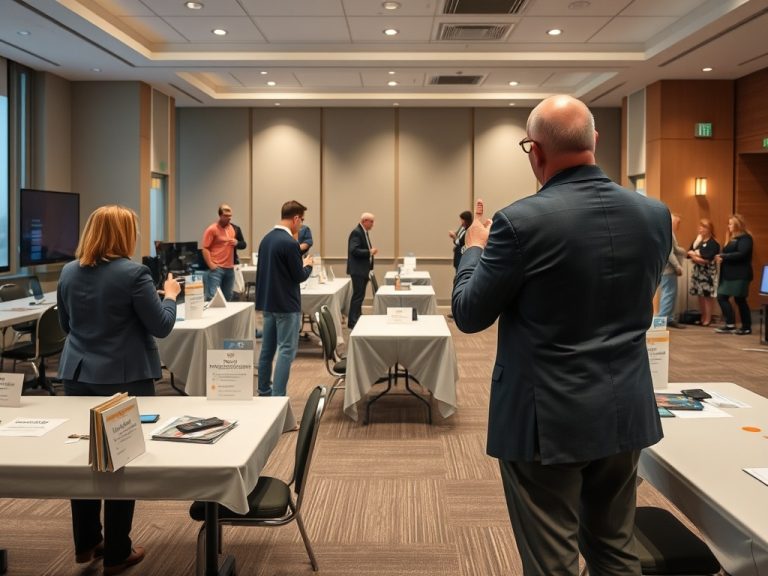
This comparison clarifies when classroom, theater, and cabaret layouts fit the event goal, budget, audience behavior, and production needs. The practical answer is to reduce uncertainty early, document assumptions, and confirm event details directly with organizers, venues, vendors, and official project owners before money, travel, or public promises are committed.
TL;DR: Use this article to make venues, logistics & operations decisions clearer before the plan becomes public or expensive to change.
- Use the event floor plan layout comparison as a decision tool, not a decorative planning phrase.
- Record owners, deadlines, dependencies, and approval points in one shared source of truth.
- Treat dates, access rules, capacities, prices, and schedules as changeable until verified through official channels.
- Keep the final action educational unless the reader already has a vendor, venue, or software shortlist.
For safety-sensitive planning, official guidance from the Event Safety Alliance and IAVM safety resources is a useful reference point because venue design, crowd movement, emergency planning, and communication should be treated as operational responsibilities rather than decoration.
What each layout is really optimized to do
Event teams often feel pressure to begin with visible outputs, such as invites, floor plans, run-of-show documents, or vendor requests. The stronger approach is to define the decision sequence first. That sequence should show what must be known before the next choice can be made. For classroom vs. theater vs. cabaret event layouts, the narrow issue is not simply doing more planning. It is knowing which planning questions must be answered before the team moves forward.
A useful planning file separates facts from assumptions. Facts include confirmed organizer requirements, signed service scopes, published venue rules, and documented deadlines. Assumptions include expected attendance, preferred arrival behavior, likely sponsor needs, or a hoped-for production setup. The team can work with assumptions, but only if they are labeled clearly and revisited on a schedule.
Side-by-side comparison for planning teams
Ownership is where many event plans become unclear. A timeline, checklist, layout, contract, or messaging plan should name the person who can approve changes, the person doing the work, and the person who must be consulted before the decision is final. In small teams, one person may hold several roles, but the roles still need names. This prevents a casual conversation from becoming an undocumented commitment.
Teams should also decide how exceptions will be handled. If a speaker requests a format change, a vendor proposes a substitute item, or a sponsor asks for a new deliverable, the plan should state who reviews the request and what information is needed. That simple review habit protects the project from drift.
Classroom layout: useful when work happens at the seat
| Layout | Best fit | Watch-outs |
|---|---|---|
| Classroom | Training, note-taking, workshops, long sessions | Lower capacity than theater and more furniture coordination |
| Theater | Keynotes, panels, launches, high-capacity rooms | Limited writing space and weaker group interaction |
| Cabaret | Roundtable discussion, networking, collaborative formats | More space per guest and stronger facilitation needs |
The best questions are practical. What must attendees know before they arrive? What will staff need to explain repeatedly if the message is unclear? Which vendor depends on another vendor finishing first? Which approval could block promotion, production, registration, or access? These questions give the team a way to test the plan before the public experiences it.
A second question set should cover risk. Which detail would cause the most confusion if it changed late? Which detail could affect accessibility, safety, refund expectations, content rights, or partner commitments? Not every risk needs a complex contingency plan, but every high-impact risk needs an owner and a communication path.

Theater layout: efficient when attention points forward
Operational gaps usually come from invisible dependencies. A registration email may depend on venue entry rules. A seating layout may depend on camera placement. A vendor contract may depend on the final schedule. A sponsor deliverable may depend on whether the session is recorded. When these dependencies are not written down, teams often discover them during setup or after attendees ask questions.
This is where internal linking between planning topics becomes useful. A team reviewing how layout comparisons work best when paired with procurement, attendee-flow, and messaging decisions can use related planning pages to avoid treating each decision as a separate island. For example,
For a wider planning view, compare this topic with Best Practices for Vendor Negotiation and Procurement in Modern Event Planning and Community Event Format Mistakes That Lead to Confusing Attendee Flow so the team can connect decisions instead of reviewing them in isolation.
Cabaret layout: flexible when interaction is part of the value
A sound review rhythm does not need to be complicated. Early reviews should focus on scope, audience, budget assumptions, and major constraints. Middle reviews should test vendor readiness, messaging accuracy, staffing, layout, and accessibility. Late reviews should confirm version control, day-of escalation paths, and what the team will say if a published detail changes.
For beginner or intermediate teams, the most useful habit is a short weekly change log. The log should list what changed, why it changed, who approved it, and which documents need updating. This gives everyone a shared memory and reduces the risk of outdated information living in slides, emails, spreadsheets, or vendor notes.
The same planning logic also applies to Top Tools and Templates for Event Messaging in Event Operations, especially when a single change affects staff instructions, attendee communication, and vendor coordination.
How to choose without overbuilding the room
Readers should treat event content as educational planning guidance, not legal, financial, travel, immigration, insurance, or contractual advice. Event rules vary by venue, city, country, ticket tier, audience type, and organizer policy. Schedules, availability, access levels, and service scopes may change. Before buying tickets, signing contracts, arranging travel, or publishing event promises, confirm details with the official organizer, venue, vendor, or qualified adviser.
The safest next move is to turn this topic into a one-page decision record. List the known facts, open questions, responsible owners, and the next date each item will be checked. That small document gives the team a practical way to move from discussion to controlled execution.
Layout review questions before signoff
- Can a new teammate understand the plan without a meeting?
- Are facts separated from assumptions?
- Does every high-risk dependency have an owner?
- Are attendee-facing details consistent across documents?
- Has the team checked official organizer, venue, vendor, or platform details?
A Room Choice That Supports the Program
The most useful next action is not a larger document. It is a cleaner decision record. For event floor plan layout comparison, that record should show what is known, what is still conditional, who owns the next review, and where official confirmation will come from. Once those details are clear, the team can move forward with less rework and a more trustworthy attendee experience.
Disclaimer: This events content is for informational and educational purposes only. It is not legal, financial, travel, immigration, insurance, or contractual advice. Readers should verify schedules, availability, prices, access requirements, venue rules, ticket terms, and participation details directly with official event organizers, venues, ticketing providers, vendors, or qualified advisers before making decisions.